
Computer scientists have revealed that they are developing a virtual birthing simulator that will help doctors and midwives prepare for unusual or dangerous births.
Computer scientists have revealed that they are developing a virtual birthing simulator that will help doctors and midwives prepare for unusual or dangerous births.
A highly specific rapid test for Chlamydia trachomatis has been developed. The best part: the new test requires a direct urine sample only (no total DNA purification needed).
An epidemiologic study by researchers at Brown University shows a strong association between air pollution and reduced fetal growth. And the greater the exposure to pollution, the bigger the negative impact, according to a report in the American Journal of Epidemiology.
According to a new retrospective cohort study in Obstetrics & Gynecology, timely initiation of progestin in women with a history of preterm delivery is associated with a reduction in spontaneous preterm delivery.
New research exposes a need for preoperative screening of even low-risk women undergoing robotic sacrocolpopexy, particularly those with risk factors such as obesity or diabetes.
There is not enough good evidence showing that pelvic floor muscle training benefits patients already receiving active treatment for urinary incontinence, finds a new Cochrane analysis.
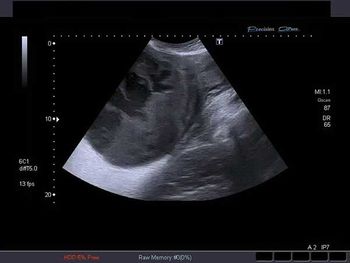
Chromopertubation is typically performed laparoscopically. However, hysteroscopic chromopertubation may spare patients from multiple procedures. But is it accurate?
The surgical outcomes of single port pelvic surgeries (SiPPS) for a variety of gynecologic oncology indications are similar to those of traditional laparoscopic techniques.
Mammographic screening at intervals
Risk of fetal and infant death is substantially increased in women with pre-existing diabetes, according to results of a new study in Diabetologia. The population-based analysis is one of few to exclude the effect of congenital anomalies and suggests that the association is largely influenced by glycemic control.
In women with abnormal bleeding, obtaining biopsy samples using both Pipelle and grasper forceps is optimal, especially when a diffuse abnormality is encountered, evidence suggests.
Human breast tissue tests link reduced amounts of mitochondrial DNA content with a greater incidence of metastatic breast cancer.
A new study examines the cognitive affects of sex hormones on postmenopausal women.
The risk of infant death nearly doubles and risk of fetal death quadruples when mothers have pre-existing diabetes, new research shows.
The value of a midstream urine culture in the treatment of patients with symptoms of acute uncomplicated lower urinary tract infection is once again being questioned.
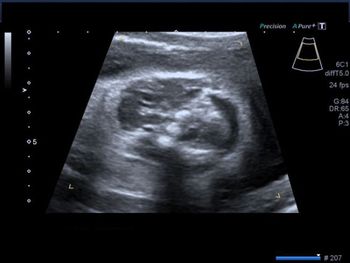
What's your diagnosis based on these images of the fetal neck?
Promoting health and wellness, including an increase in fruit intake and receipt of a steady paycheck, may help reduce pregnancy complications, study finds.
Growth-restricted fetuses pose many clinical conundrums: How to identify them? How to distinguish the small and normal from the small and abnormal? How to manage them?
In his final editorial of 2013, Dr. Lockwood comments on the recommendations of the ACOG Task Force on Hypertension in Pregnancy.
PCOS is likely underdiagnosed, especially in adolescent patients. It is challenging to make a diagnosis during the 1–2 years following menarche because normal pubertal changes can mimic features of PCOS.
Female patients undergoing bariatric surgery may expect improvements in sexual function, according to one study.
According to a recent study, parity and mode of delivery do not have a significant impact on women's long-term sexual satisfaction.
A retrospective analysis of more than 400,000 U.S. births over nearly 6 years shows that delivery of triplets or more costs 20 times as much as a singleton. Published in The American Journal of Obstetrics and Gynecology, the report may be the first to look at medical expenses for both maternal and infant care associated with IVF-assisted pregnancy.
According to a new study in The American Journal of Clinical Nutrition, pre-pregnancy obesity and gestational diabetes mellitus (GDM) can lead to a delay in lactation, which can lead to women supplementing more frequently with formula or even abandoning breastfeeding.
Pregnant patients who have undergone some form of bariatric surgery are at greater risk of preterm birth than women who haven’t had the procedure, according to a study published in the British Medical Journal. The risk of small for gestational age (SGA) was also increased in women with previous bariatric surgery.
In 4 years, the rate of women receiving breast MRI nearly tripled, but it is underused in women most at risk for breast cancer and overused in women at average risk.
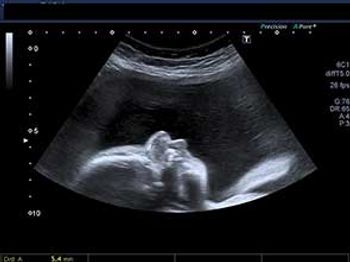
Fourteen percent of infertile patients have uterine cavity abnormalities despite normal ultrasound examination findings, research shows.
New research shows HAND2 gene methylation may have potential as a biomarker for early endometrial cancer detection and as a predictor of treatment response.