

Discover the findings from a recent study highlighting the need to enhance vaccination rates among pregnant individuals living with HIV, shedding light on key factors influencing vaccine receipt.
Discover the findings from a recent study highlighting the need to enhance vaccination rates among pregnant individuals living with HIV, shedding light on key factors influencing vaccine receipt.

Investigating the impact of red blood cell transfusions on peripartum complications and anemia risk highlights the importance of prepartum anemia detection in women diagnosed with placenta accreta spectrum.

A recent shed light on how ethnic minority groups perceive pelvic floor disorders, highlighting barriers to treatment seeking and the importance of raising awareness about available treatment options.

Dive into the intricate landscape of testosterone therapy prescriptions among women with hypoactive sexual desire disorder, revealing diverse patterns in duration, administration routes, and estrogen co-administration.

Dive into the research finding increased risks of postpartum hemorrhage and anemia among women who use higher doses of selective serotonin re-uptake inhibitors during pregnancy.

A recent study highlights the role of weight gain, ferritin levels, and nutritional education in influencing the risk of postpartum depression among pregnant women, urging for proactive measures during routine prenatal care.

Discover the findings of a comprehensive study exploring the efficacy of various treatments for postmenopausal urinary incontinence, shedding light on the current research gap and recommending avenues for future investigation.

Review some of the top stories from the Contemporary OB/GYN website over the last week, and catch up on anything you may have missed.

A recent double-blind, randomized clinical trial revealed a higher clinical pregnancy rate with pioglitazone compared to metformin in polycystic ovarian syndrome patients undergoing in vitro fertilization, suggesting potential for improved outcomes.

A pair of studies from AUA 2024 show neither drinking nor vaping by either parent is associated with significantly increased risk of a spontaneous abortion.

Jenell Stewart, DO, MPH, discusses her team's qualitative research into the STI prevention tendencies and interests of at-risk women.

New data show women of specific race and ethnicity may more be adversely affected by the changing state-level laws on abortion access.

A recent study found breast arterial calcification on mammograms could help predict higher risk of stroke, cardiovascular death, and heart disease in women.

A recent investigation revealed how integrating maternal plasma cell-free DNA profiles significantly refines predictive accuracy in early- and late-onset preeclampsia.

Maternal-fetal medicine specialist Todd Rosen, MD, discusses how quitting smoking during pregnancy affects risks of preterm birth, stillbirth, and preeclampsia, urging simultaneous focus on nutrition to optimize outcomes.
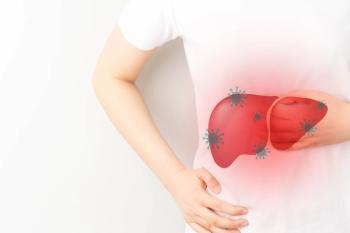
A comprehensive analysis reveals rising hospitalization rates among pregnant women with hepatitis C virus, with age as a critical factor influencing maternal and fetal health outcomes.

A study revealed that midwifery-model care significantly reduces postpartum emergency department visits compared to obstetrics care, offering insights into improving maternal healthcare access.

A recent study revealed an association between premature menopause and increased risks of musculoskeletal pain and sarcopenia, emphasizing the potential benefits of hormone therapy in mitigating long-term effects.

Explore how robotic surgery revolutionizes obstetric and gynecologic procedures, offering enhanced precision, reduced complications, and improved patient outcomes, while also examining challenges and future prospects in the field.

Recent research suggests assessing recent opioid use could aid in managing anxiety related to abortion, shedding light on pain management strategies for providers and patients alike.

The United States Preventive Services Task Force has announced new recommendations for breast cancer screenings. Find out what this means for your patients and your practice.
Review some of the top stories from the Contemporary OB/GYN website over the last week, and catch up on anything you may have missed.

A study highlighted how non-English-speaking patients undergoing gynecologic surgery face undertreated pain, emphasizing the need for equitable pain management practices.

A recent study revealed that severe maternal morbidity during pregnancy increases the likelihood of mental health hospitalizations or emergency department visits up to 13 years post-delivery, emphasizing the need for mental health screening.

Learn how a mandatory elective single-embryo transfer policy in publicly funded in vitro fertilization programs significantly decreases multifetal pregnancy rates, offering insights into mitigating risks in assisted reproduction.

Gilead Sciences has announced FDA approval of an updated Biktarvy label, showcasing safety and efficacy data from a phase 1b trial, positioning it as a pivotal treatment option for pregnant individuals with HIV-1 and suppressed viral load.

A recent study revealed a significant increase in intrauterine device usage among reproductive-aged women in South Carolina following the implementation of the Choose Well initiative.

A recent study found no link between antenatal corticosteroid administration and adverse neurodevelopmental outcomes in children aged 6 years or older, offering reassurance for late preterm delivery practices.

A recent poll highlights increasing public demand for broader insurance coverage for in vitro fertilization, underscoring persistent barriers faced by millions without access to adequate fertility care.

Explore the efficacy of Pivya (pivmecillinam; Utility Therapeutics) tablets in managing uncomplicated urinary tract infections in female adults, supported by controlled clinical trials and safety considerations.