

The 4th Annual International Congress on the Future of Women’s Health will cover topics on diagnosis and treatment in women’s health.
The 4th Annual International Congress on the Future of Women’s Health will cover topics on diagnosis and treatment in women’s health.

In a recent study, participants with 4 or more adverse childhood experiences were more likely to experience increased epigenetic age acceleration.

In a recent study, increased risks of adverse pregnancy, delivery, and neonatal outcomes were found among women with obsessive-compulsive disorder.
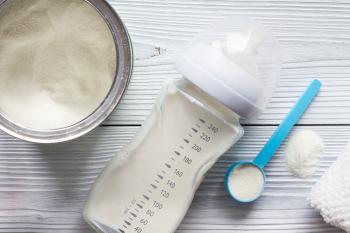
Infant formula companies add new ingredients to match or best mimic human milk and breastfeeding advantage for the child, but comparing new-ingredient formulas with existing formulas and human milk to determine efficaciousness can present clinical and ethical challenges.

Lori Homa, MD, discusses the opening of a new fertility clinic from Allegheny Health Network.

Monica Christmas, MD, associate professor at the University of Chicago, discusses the findings of a study on how vaginal estrogen may be used to treat urinary symptoms in postmenopausal women, along with how she hopes these findings will impact treatment in women with urinary symptoms.

A study from China has indicated many women are not aware of the severity of osteoporosis, and many have not been tested despite the presence of fractures.

Emre Seli, MD, chief scientific officer of the March of Dimes, discusses the organization's initiative to research recurrent pregnancy loss.

In a recent study, no severe adverse events were reported in women with vulvovaginal atrophy who were treated with a vaginal tamoxifen capsule.

As maintaining cognitive function remains difficult in an aging population, how are women in menopause impacted?
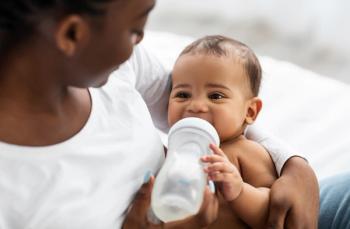
In a recent study, bonding scores did not change among infants receiving music therapy compared to those receiving standard care.

The American Medical Association is asking doctors to scale back the use of the body mass index (BMI) when assessing obesity and health in patients, noting it should be used jointly with other measurements, and not solely.

In a recent study, impacts on birth weight and gestational age were linked to perfluoroalkyl and polyfluoroalkyl substances only for mothers in the lowest percentile range.

Menstrual cups have been associated with improved financial and environmental impacts, along with being safe and effective for use in patients.

Sadia Haider, MD, MPH, talks about the latest guidelines from the Society of Family Planning regarding contraception for trans patients, RH testing during pregnancy, and Depo-Provera self-administration at the 2023 ACOG Annual Clinical and Scientific Meeting.

In a recent commentary, the NIH and FDA are urging leaders to increase research on drug-detection tools such as fentanyl test strips, along with removing barriers to access.

The Nella Single-Use Vaginal Speculum is now available for use in gynecologic exams.
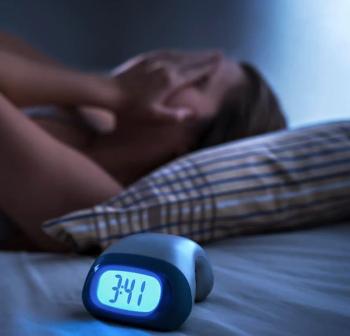
Patients who exhibited unrestful sleep had significantly reduced health-related quality of life and significantly more depressive symptoms.

In a recent study, parental socioeconomic status and infant gestational age at birth both impacted neonatal brain structure.

Clinicians need to stay up-to-date with medication and access issues.

In a recent study, patient-reported outcomes were more effective for measuring aesthetic outcomes than expert panels or computerized software in patients with breast cancer.

More than 200 nursing organizations send letter to congress supporting the bill.

Technology may be used in ultrasounds, fetal heart rate interpretation, and prediction of adverse clinical outcomes.
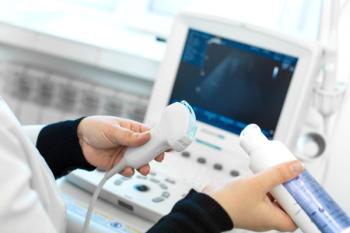
In a recent article, the benefits in identifying and managing adnexal masses during pregnancy from ultrasound were discussed.

In a recent review, vaginal estrogen was effective for treating urinary symptoms in postmenopausal women.

Patients in the land- and water-based exercise intervention groups demonstrated greater improvements in fatigue when compared with controls.

In a recent study, providers were more likely to recommend combined hormone replacement therapy (HRT) than estrogen-only HRT in patients with severe endometriosis because of recurrence risks from estrogen-only HRT.

Patients are the biggest offenders, but many also encounter racism from colleagues and supervisors.

In a recent study, nulliparous women with postpartum urinary incontinence recovered without intervention.

In a recent study, the risks of neonatal low birth weight and perinatal depressive symptoms were greater in women who often or always felt unsafe in their neighborhood.