

The Xpert Xpress Multiplex Vaginal Panel test (Cephid) has shown high agreement for organisms causing vaginitis and vaginosis.
The Xpert Xpress Multiplex Vaginal Panel test (Cephid) has shown high agreement for organisms causing vaginitis and vaginosis.

In a recent study, cardiac remodeling and overall function alterations were seen in fetuses with maternal hypothyroidism.

In a recent study, maternal fever was more common in patients who received epidural analgesia and was associated with adverse neonatal outcomes.
In a recent study, menopausal vasomotor symptoms were successfully treated using the selective neurokinin-1,3 receptor antagonist elinzanetant (Bayer).

In a recent study, cesarean section was more common in women with a traumatic brain injury during pregnancy, especially during the third trimester.

Multiple hormonal and non-hormonal therapies are available for treating genitourinary syndrome of menopause in breast cancer survivors, but combination therapies are the most effective.

Cases involving EMTALA emergency care law are first since U.S. Supreme Court’s decision to overturn Roe vs. Wade.
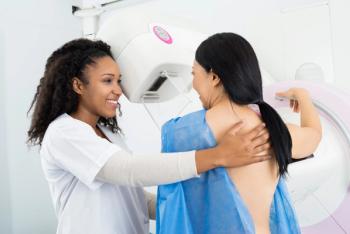
In a recent study, patients receiving interventions designed to increase adherence to screenings for breast, cervical, or colorectal cancers were more likely to be up to date on any or all screenings.

In a recent study, midlife patients with improved physical component scores saw reductions in back pain, stiffness, forgetfulness, and other factors associated with health and function.

At the 2023 Pediatric Academic Societies meeting, held in Washington, DC, from April 27 to May 1, 2023, the impact that air pollution and climate change has on infants was discussed.

A recent study indicated that receiving donations from the American College of Obstetricians and Gynecologists’ national political action committee did not lead to shifts in legislators’ positions on abortion from 2012 to 2022.

In a recent study, the association between employment status and contraceptive use observed in a period before the Affordable Care Act (ACA) was not found in a post-ACA period.

At the 2023 Pediatric Academic Societies Meeting, presenters provided the benefits of breastfeeding, along with some useful tips for lactation and how to best help your breastfeeding patients.
In a recent study, differences in pain for women taking esketamine alongside epidural anesthesia for cesarean delivery compared with placebo were not clinically meaningful, showing a need for further research.

In a recent study, centers performing open spina bifida repair saw variations in policies for fetal resuscitation.

Sleep duration and daytime napping are not strongly linked to dementia risk, although there may be a small increase in risk associated with short sleep duration.

In a recent study, menopause was associated with an estimated annual financial loss of $1.8 billion in work time and $26.6 billion in medical costs in the United States.

In a recent study, female patients born by cesarean delivery were more likely to experience early-onset colorectal cancer.
Compared with those without SLE, those with SLE had a higher risk of fetal morbidity and mothers were almost 4 times as likely to require a blood transfusion or develop a cerebrovascular disorder.

In a recent study, individuals who had experienced challenges accessing contraceptive care, common among Black, Indigenous, and people of color, were more likely to use an over-the-counter oral contraceptive pill.

In a recent study, female reproductive hormone concentration and age at menopause were impacted by smoking, alcohol, and coffee consumption.

In a recent study, rates of cesarean delivery were significantly reduced across a wide variety of hospitals following non-medically indicated induction of labor.

In a recent study, significant maternal mortality was found in mothers infected with COVID-19 during pregnancy, with worse outcomes during the second wave of the pandemic compared to the first.

In a recent study, being forced to travel out of state for abortion care led to increased feelings of worry, stigma, and being cast out among patients.

In a recent study, rates of severe nausea and vomiting of pregnancy were higher in passive smokers than non-smokers.

An analysis of data from 3 European countries provides insight into the apparent increase in risk of atrial fibrillation associated with preterm births as well as LGA or SGA births.

In patients hospitalized with acute coronary syndrome and metabolic syndrome, obstructive sleep apnea was associated with an increased risk of major adverse cardiovascular and cerebrovascular events in women, but not in men.

On Friday, the Supreme Court voted to keep mifepristone (Mifeprex; Danco Laboratories) on the market, maintaining its availability for women seeking an abortion.

In a recent study, the SmartMom digital program was able to provide valuable prenatal education through SMS text messaging.

Digital tools are helping to find and fill unused capacity in the health care system.