
In a recent review, significant variety and dearth was found in the quality of supportive data which influences recommendations for use of medications in lactating women.
In a recent review, significant variety and dearth was found in the quality of supportive data which influences recommendations for use of medications in lactating women.

Visby Medical has announced its second generation point of care test for detecting sexually transmitted diseases in women has received 510(k) clearance and a CLIA waiver from the FDA.

In a recent study, active management for early pregnancy loss, also known as miscarriage, was seen less often in emergency departments compared to outpatient clinics.

Despite telehealth’s popularity during the pandemic, many still don’t about it and other home health innovations.

In a recent study, women taking higher cumulative dosages of hormone therapy had a reduced risk of developing lung cancer.
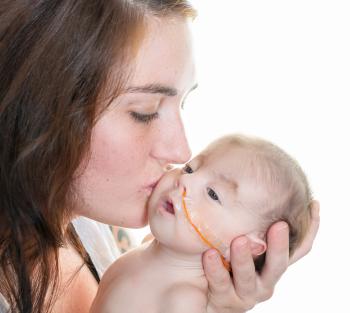
The risk of congenital heart diseases in offspring was increased among mothers with preconception previous hepatitis B virus (HBV) infection.

In a recent study, women who experienced intimate partner violence early in the COVID-19 pandemic reported worse mental health symptoms and modifiable health factors.
Covis, the manufacturer of the controversial preterm birth prevention drug Makena, has announced it will voluntarily withdraw the drug from the market after recommendations from the Center for Drug Evaluation and Research.

NEJM opinion piece highlights how lawmakers are intruding into medicine – with little or no expertise

In ProgenyHealth’s 2023 key trends and insights report, vital areas to observe in pregnancy and childbirth are discussed.
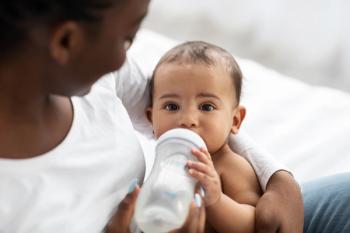
Experts still advocate for breast milk, but pediatricians must be able to offer advice on all options for feeding babies.

POLL: How do you compare with your colleagues in your comfort level for prescribing hormone replacement therapy for symptoms of menopause.

GSK plc has announced positive results for safety and tolerance of dostarlimab (Jemperli; GSK plc) in treating women with endometrial cancer.
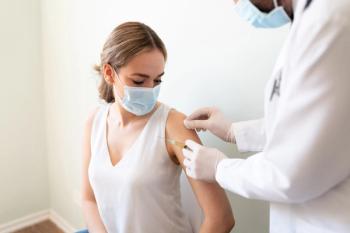
In a recent study, participants who had received a COVID-19 vaccine saw an average increase in menstrual cycle length of less than 1 day.

An analysis of the landmark EMPEROR-Preserved trial is providing new insights into the effects of the SGLT2 inhibitor on heart failure outcomes based on patient sex in heart failure with preserved ejection fraction (HFpEF).

Bonnie L Bermas, MD, emphasizes the negative effects this legislation will have on marginalized populations and explains how the ruling will impact pregnancy in patients with rheumatic disease.
Case could involve thousands of patients and providers, court filing says.

Dr. Lorna Breen Heroes' Foundation teams with Physicians Foundation to define problem, propose solutions.

A look back at the week's top headlines.

Data on COVID-19 during pregnancy, as reported by the CDC, in collaboration with state, local, and territorial health departments and external partners.

You might notice a small logo on the cover of this month's issue—it represents our Medical World News® channel.
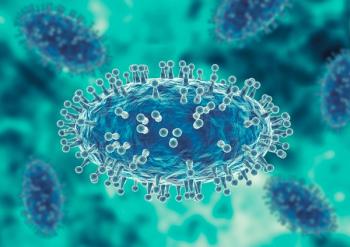
What we know about monkeypox in pregnancy, including treatment recommendations, vaccination, and postpartum care.

A study finds higher attrition rates among those with low incomes or from groups underrepresented in medicine.

Regulators remind physicians they are bound by federal privacy rules, but cell phones and apps are not.
Data on COVID-19 during pregnancy, as reported by the CDC, in collaboration with state, local, and territorial health departments and external partners.

Ruling comes in cases of physicians serving in prison for convictions over prescription drugs.

The Department of Health and Human Services (HHS) launched a website Friday which offers women a comprehensive list of reproductive health care resources, services, and information.

The Society of Ob/Gyn Hospitalists released a statement on the Supreme Court Decision overturning Roe v Wade.
“The impact was visible and real,” said Xavier Becerra, secretary of the US Department for Health and Human Services during a press conference Tuesday.