

When rural hospitals close, it takes a toll on local labor force, population, income, according to a new study.
When rural hospitals close, it takes a toll on local labor force, population, income, according to a new study.

Using bactericidal soaps and sex toys and having anal sex were associated with higher rates of bacterial vaginosis (BV) and vulvovaginal candidiasis (VVC), according to a study in RBGO Gynecology and Obstetrics (Revista Brasileira de Ginecologia e Obstetricia). However, study authors caution, identifying these associations do not establish causality.

A study published in Women’s Health Reports suggests best practices for treating recurrent vulvovaginal candidiasis.

The incidences of vulvovaginal candidiasis (VVC) and bacterial vaginosis (BV) are especially high in young women, and women with a limited education and low-family income, according to a nationwide cohort study in the International Journal of Infectious Diseases.
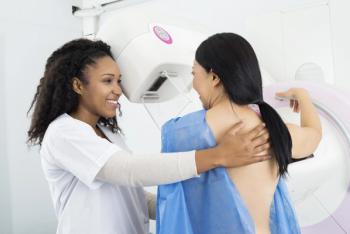
Cancer programs seek to remove barriers to screenings.

Here's what's coming to Contemporary OBGYN® this week.

MedPAC recommendations could be devastating to Medicare physicians.

Alexander B. Olawaiye, MD, discusses how social and biological determinants can affect care outcomes across cancer subtypes and what steps community and academic oncologists can take to ensure these disparities are recognized.

It's been a busy week for the Contemporary OB/GYN team.

Although percutaneous tibial nerve stimulation (PTNS) is commonly used to treat overactive bladder, investigators continue to assess whether this neuromodulation technique is beneficial for patients with other urologic conditions.

Congress will have to take action to keep the telehealth floodgates open, so uncertainty remains.

There are a lot of things women can worry about during pregnancy, but a new study suggests that some mothers need even more warnings than others.

“Although traditional surgical treatments can resolve the clinical symptoms, they have many disadvantages, such as relatively large trauma, high chances of postoperative complications and long operation time,” wrote the authors of the review in the International Journal of Hyperthermia.

A recent study compared the effectiveness of open, laparoscopic, and robotic surgery in terms of outcomes and post-operative pregnancy success, and found that minimally invasive methods were best, according to a study published in JBRA Assisted Reproduction.

A study published in the BJOG: An International Journal of Obstetrics and Gynaecology reports a need for high-quality fibroid management and treatment guidelines.

The results of physician trials led by the AAFP Innovation Lab are very promising.

How many novel coronavirus (COVID-19) cases were announced today?

TikTok has over 1 billion users and dominates youth culture. Is it damaging their mental health?

Official death toll is almost 6 million, but excess deaths indicate far more may have died from COVID than reported.
What's coming to Contemporary OBGYN this week?
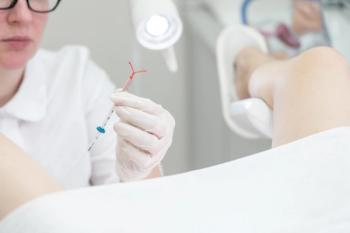
TikTok user @midwifemama sparked a conversation about IUD insertion.

Work schedule, location also factors.
Take a look back at the week's top news stories.

There are barriers to telehealth adoption that physicians must overcome to realize the technology’s promise.

A study published in the Journal of Ovarian Research examines factors that may cause endometriosis to progress to ovarian cancer.

Hospitals and skilled nursing facilities with COVID-19 patients will see another round of inspections to examine precautions against the disease for health care employees.

Substance use disorder may prove to be a significant issue for some mothers. In this article, experts discuss a case of addiction in pregnancy, analyzing the patient's medical history and psychosocial state.

The disparity almost the same as 4 years ago.

A recent interview with ob-gyn Matthew T. Siedhoff, MD, shed light on some of the unique challenges physicians face that contribute to burnout, like long hours and the pressure of perfection. Here are some of Siedhoff's go-to resources to stave off everyday stress.

Study shows that people who live in communities with higher levels of racial prejudice have higher rates of heart disease and mental health problems.