Seventy-one percent of women miss their first perimenopausal symptom because anxiety, brain fog, and mood changes precede hot flashes—and most attribute them to stress, per the Bonafide 2026 State of Menopause Survey.
Pelin Batur, MD, emphasizes that half of patients are unsatisfied with their sexual health and clinicians should normalize these concerns through simple, open-ended questions.
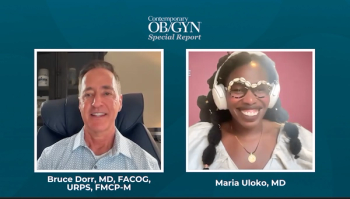
At the 2026 American College of Obstetricians & Gynecologists (ACOG) Annual Clinical & Scientific Meeting in Washington, D.C., Pelin Batur, MD, Professor of OB/GYN and Reproductive Biology; Interim director, Women’s Health Comprehensive Health & Research Center, Cleveland Clinic, emphasized that despite clinical time constraints, establishing a safe space for sexual health discussions with patients is a key part of women’s health care.
Approximately half of all patients experience some level of dissatisfaction with their sexual health, Batur told Contemporary OB/GYN, yet many hesitate to initiate the conversation. Batur noted that patients are often as concerned about the clinician’s potential embarrassment as they are about their own. To overcome this barrier, she recommends using open-ended or normalizing questions during routine visits.
“Even asking without the promise of addressing it right then can help establish a safe space for patients to bring it up,” Batur explained. If a patient appears hesitant, Batur suggests normalizing the concern by stating, “Many patients have concerns about sexual functioning—how about you?” followed by an invitation for the patient to share their experience.
Distinguishing between general low libido and hypoactive sexual desire disorder (HSDD) is vital for proper management. HSDD is characterized by a persistent lack of desire lasting at least 6 months that occurs without an obvious cause, such as pain, relationship discord, or significant stress.
A defining factor of the diagnosis is the presence of personal distress. “If it’s only distressing to a partner but not the patient, although it's important to discuss and sort it out, that's not a disorder.” Batur clarified. This distinction ensures that clinical interventions are focused on the patient's own well-being rather than external pressures.
For genitourinary syndrome of menopause (GSM), Batur highlighted the safety and efficacy of low-dose vaginal hormone therapy.
“There are very few scenarios where vaginal hormone therapy to treat GSM would not be appropriate. So in fact, the American College of Cardiology has a great statement saying, regardless of whether they've had a blood clot, stroke, those kinds of traditional reasons we may withhold, post menopausal systemic hormone therapy is not a reason to withhold treatment for GSM.”