
For women with congenital heart disease, the risk of pregnancy and delivery complications isn't as high as expected, new research shows.
For women with congenital heart disease, the risk of pregnancy and delivery complications isn't as high as expected, new research shows.

Pressure isn't always a bad thing, researchers have found when exploring ways to minimize pain during mammograms without reducing image quality.

What does a cholesterol medication have to do with uterine fibroid tumors? New animal research explains one drug's effect on uterine leiomyoma cells.
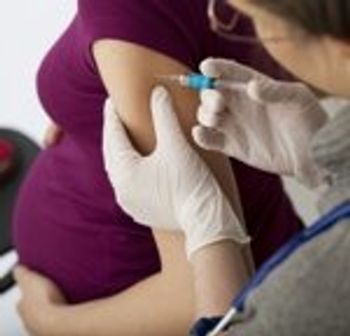
Whooping cough can equal hospitalization for a baby, so why aren't more hospitals promoting Tdap vaccines and offering preventive measures on their websites?
PTSD and preterm birth are associated, so knowing your patients' mental health history, particularly when symptoms were last present, is important.

More and more OB/GYN practices are supplementing their medical services with aesthetic services. New data show they are safe, but there's a caveat.

Researchers from the University of Alabama at Birmingham (UAB) made an unexpected finding when evaluating racial disparities in dying from childbirth.
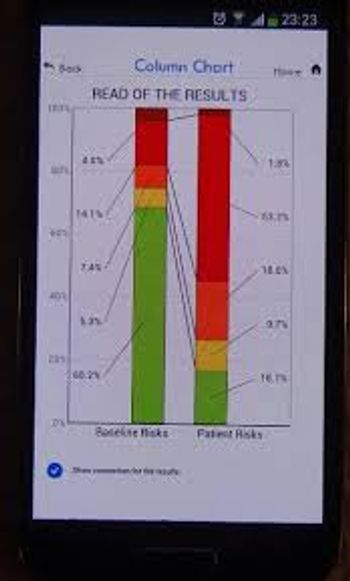
A new app, called ADNEX, helps distinguish between benign and malignant ovarian tumors, potentially improving triage and management decisions.

Morbidity measures used to evaluate obstetric quality care at hospitals don't sufficiently identify areas of care that actually need improvement.

Women who consume fried foods more than 7 times a week pre-pregnancy are more likely to have gestational diabetes when they become pregnant.
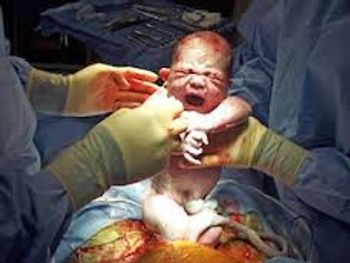
Despite the prevalence of the procedure, there is no proven best way to prevent surgical site infections related to cesarean sections.

Severe influenza in pregnancy is a hyperinflammatory disease and not a state of immunodeficiency as previously thought.

Look no further: The North American Menopause Society has issued recommendations that offer the latest information for managing a woman's health through menopause.

The clinical and scientific realms of endometriosis have significant gaps, highlighted by persistent delays in diagnosis and underestimates of harm.

Just in case your patients ever ask, wearing a bra is in no way associated with breast cancer risk.

Pregnant teens are more likely to engage in pica, a behavior characterized by compulsive cravings for nonfood items. Anemia may have something to do with it.

Amniocentesis, CVS, noninvasive prenatal testing, microarray . . . the rapid advancements in prenatal genetic testing can be dizzying. These 7 expert tips can help navigate the gamut.

Texts, emails, and voicemails may prove effective in getting surgical patients to follow preadmission instructions aimed at reducing surgical site infections.

Letrozole, a breast cancer drug, was compared with clomiphene as a fertility treatment for women with polycystic ovary syndrome. Find out which drug performed best.

High blood pressure, preeclampsia, and preterm birth can all be reduced with calcium supplements in women who eat a low-calcium diet, an analysis finds.
Treating anemia early with iron replacement therapy can significantly improve quality of life in women with heavy menstrual bleeding, new research finds.
Breast tomosynthesis may be worth the extra cost to patients for breast cancer screening. Research shows the 3D technology finds more invasive cancers earlier.

Post-traumatic stress disorder (PTSD) and a major depressive episode during pregnancy are predictors of preterm delivery, independent of SRI or benzo use.

New study results may alleviate concerns about use of antipsychotics in pregnancy. However, higher doses often mean more problems for baby.
Chemo after surgery for ovarian cancer is the standard of care, but new research discovers that many women, particularly older women, are undergoing chemo before surgery.

The extent and timing of maternal depression is being underestimated, according to new research, highlighting the need for improvement in maternal depression screening.
New research may have found a way to better predict whether women with threatened preterm labor are in true labor or false labor.
The highest rates of cervical cancer occur in women aged 65 to 69, according to new estimates. This suggests that screening guidelines may need to be reconsidered.
Is labor induction or expectant management better in term or post-term pregnancies? The findings from a new meta-analysis offer some insight.
New research finds that obstetricians may be overlooking an at-risk group for implementing stillbirth prevention strategies.