







A recent study indicates that early use of intrauterine balloon tamponade does not significantly reduce severe postpartum hemorrhage risk compared to its application after second-line uterotonic treatment failure.
A recent study indicates that early use of intrauterine balloon tamponade does not significantly reduce severe postpartum hemorrhage risk compared to its application after second-line uterotonic treatment failure.

In a recent study, patients who were treated for heavy menstrual bleeding with the levonorgestrel intrauterine system had similar changes in bleeding-related quality of life as those using combined oral contraceptives for treatment.

A recent study unveils the diagnostic potential of the Convergences pelvic pain (PP) score for identifying central sensitization in women with chronic pelvic pain.

Review some of the top stories from the Contemporary OB/GYN website over the last week, and catch up on anything you may have missed.

The pivot to patient safety.

Findings and significance for gynecologic surgeons.

Learn how obstetrician-gynecologists can use artificial intelligence to improve their practice.

In a recent study, vaginal laxity symptoms were significantly improved in patients receiving electroporation therapy vs placebo.

In a recent study, opioid prescriptions were decreased among patients receiving a noninvasive bioelectronic treatment after cesarean delivery.
Review some of the top stories from the Contemporary OB/GYN website over the last week, and catch up on anything you may have missed.
In a recent study, placenta accreta spectrum was accurately predicted through transvaginal ultrasound examination methods.

Data has supported 2 novel methods of reducing postpartum hemorrhage risk after cesarean delivery, as discussed at the ANESTHESIOLOGY 2023 annual meeting.

In a recent study, automatically measured blastocyst morphometrics found a correlation between blastocyst size and the odds of implantation.

Review some of the top stories from the Contemporary OB/GYN website over the last week, and catch up on anything you may have missed.

In a recent study, vulvovaginal atrophy treatments with lower estradiol concentrations were the most effective at preventing breast cancer recurrence.

In a recent study, overall and cervical-cancer specific deaths were more common among cervical cancer patients with a preexisting mental health disorder.

In a recent study, cesarean scar ectopic pregnancy treatment was more often successful when using hysteroscopic resection vs ultrasound-guided dilation and evacuation.

In a recent study, rates of severe postpartum hemorrhage were decreased in patients who received an intervention for early detection and treatment of postpartum hemorrhage.

In a recent study, inositol had positive outcomes and a favorable safety profile for treating polycystic ovary syndrome.

Steven R. Goldstein, MD, discusses holes in clinicians' understanding of the endometrium, and how these knowledge gaps can be remedied.

Peter Minneci, MD, MHSc, discusses a study evaluating a new algorithm capable of accurately identifying benign lesions in female patients.

In a recent study, patients with early-stage cervical cancer receiving radical hysterectomy had increased survivability.

In a recent study, patients with chronic vulvar pain conditions had decreased pain-related anxiety and improved sexual functioning when experiencing vulvar pleasure.
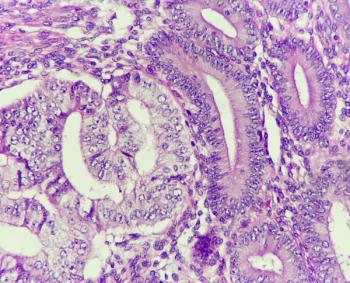
In a recent study, ages at menarche and menopause, as well as pregnancy history, impacted the risk of endometrial cancer.

In a recent study, Black patients experienced more delays in receiving endometrial cancer care than White patients.