





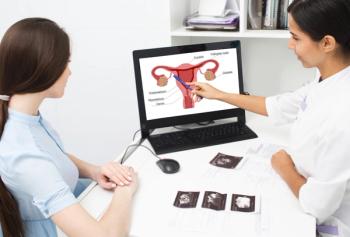
In a recent study, larger fibroid sizes and location in the lower uterine segment or cervix were associated with greater odds of post partum hemorrhage requiring packed red blood cell transfusion.

In a recent study, larger fibroid sizes and location in the lower uterine segment or cervix were associated with greater odds of post partum hemorrhage requiring packed red blood cell transfusion.

In a recent study, uterine fibroids were significantly associated affecting patient who are Black or Asian-Chinese and over 35 years of age.

In a recent study, the Deep Pelvic Endometriosis Index accurately predicted operating and hospital stay length, along with postoperative complications, in patients with deep pelvic endometriosis.

Pain mechanisms are multifactorial, complex, and still poorly understood.
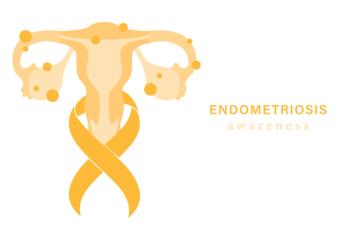
To close out Endometriosis Awareness Month in March, Rachel Cullifer, MD, discusses clinical pearls for diagnosis and treatment, as well as some common misconceptions about endometriosis.

A model to estimate the optimal number of oocytes to try to fertilize during assisted reproductive technology (ART) treatment predicted that 43.4% of oocyte retrievals were day 3 transfers; hence, exposing all oocytes to sperm is recommended.

At the International Society for the Study of Women’s Sexual Health (ISSWSH) conference, held this year March 2 to 5 in St. Louis, Missouri, Contemporary OB/GYN®’s digital editor, Michael Krychman, MD, spoke with Ashley Tapscott, a board-certified urologist trained in male and female sexual dysfunction, who works in Charlotte, North Carolina.
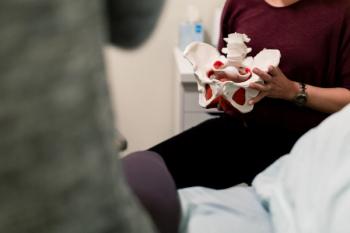
In study findings published in Obstetrics & Gynecology, leva Pelvic Health System (Renovia) achieved significantly greater urinary incontinence symptom improvement than a standard home pelvic floor muscle training program at 6 and 12 months.

A look at vaginal laser surgery for overactive bladder syndrome.

A diagnosis and management refresher.

New research suggests that adding probiotics to established VVC treatment options may be a path to increased cure rates.

In an effort to identify abnormal bleeding patterns and their prevalence and confirm existing and expected associations, a study was conducted as part of Apple’s larger Women’s Health Study.

Take a look at our most popular gynecology articles from 2022.

In this recent interview, Bruce Kendall and Dr. Hinanit Koltai of the Volcani Institute share the inspiring story of the late Michelle Kendall and how her passion for science and research brought them all together to study medical cannabis as a potential treatment for ovarian cancer.

Laparoscopy remains the gold standard for diagnosis and treatment of the disease.

At the 2022 AAP National Conference & Exhibition, a professor from the Baylor College of Medicine discusses how to develop an approach to investigate menstrual disturbances for adolescent patients and understand treatment options.
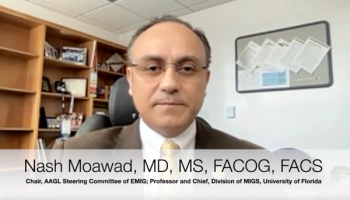
Nash Moawad, MD, MS, FACOG, FACS, sits down to discuss the recent standardization of Essentials of Minimally Invasive Gynecologic Surgery (EMIGS) training program for minimally invasive gynecologic surgeons and how it's shaping the way this subspecialty delivers care.

Breaking down barriers through patient selection, new devices, and the latest techniques.

Watch the latest interview in a series from members of the AUGS Publications Committee to hear from Bobby Garcia, MD, about new perspectives in cosmetic gynecology.

In a poster presentation at the North American Menopause Society Annual Meeting, researchers found that diets high in oil, meat, salt, sugar, and coffee contributed to menstrual cramps.

Why obstetrics and gynecology is seeing an increase in applicants

In a recent presentation at at the Nurse Practitioners in Women’s Health (NPWH) 25th Annual Conference, Carri Holton, MSN, WHNP, discussed gynecological complications that adolescents may face and offered practical treatment options.

An improved electronic health record tracking and reminder system improves patient follow-up after abnormal Pap results and increases compliance with ASCCP guidelines, according to a poster presentation at the Nurse Practitioners in Women’s Health (NPWH) 25th Annual Conference in Houston, Texas from September 28 to October 2022.

Among pregnant women coinfected with HIV, a higher hepatitis C viral load increased the likelihood of transmitting HCV to children.

Although the proportion of women treated with biologics continues to grow, data on treatment recommendations among both physicians and female patients of childbearing age remain limited.