




Life Transitions
Latest News
Advertisement
Latest Videos


Advertisement
More News
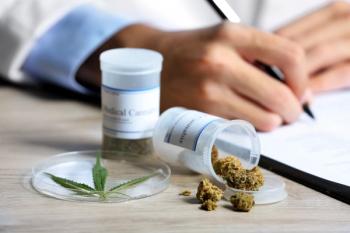
In a recent study, increased use of cannabis to manage menopause symptoms was observed among midlife women.

In a recent study highlighted at The Menopause Society 2023 Annual Meeting, White women with a psychiatric condition were 40% more likely to receive a hormone therapy prescription than Black women.

At The Menopause Society 2023 Annual Meeting, tips on reducing weight during menopause will be discussed.

The presence of NAFLD increased from 25.3% to 29.4% among patients receiving oral menopause hormone therapy.

In a recent study, women with premenstrual disorders were more likely to experience early menopause and vasomotor symptoms.
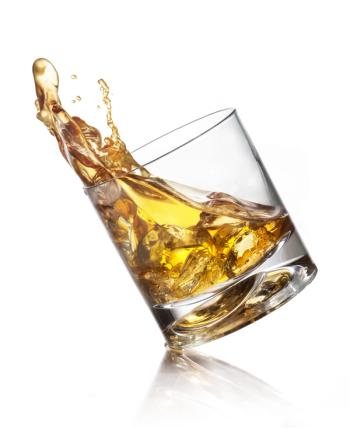
Menopausal women who drink alcohol should limit consumption to moderate drinking, according to experts. However, binge drinking in this population has been on the rise, for which clinicians can help by referring these patients to appropriate treatment.

Monica Christmas, MD, associate professor at the University of Chicago, discusses the findings of a study on how vaginal estrogen may be used to treat urinary symptoms in postmenopausal women, along with how she hopes these findings will impact treatment in women with urinary symptoms.

Genevieve Neal-Perry, MD, PhD, talks about the recent approval of fezolinetant (Veozah; Astellas Pharma) and her latest phase 3 research presented at the 2023 ACOG Annual Clinical and Scientific Meeting.
Fezolinetant (Veozah; Astellas Pharma) is now the first neurokinin 3 receptor antagonist approved for the treatment of vasomotor symptoms associated with menopause.
What the obstetrician-gynecologist should know
A literature review found that although hormonal therapy with estrogen is the first-line therapy for bothersome vasomotor symptoms (VMS) and genitourinary syndrome of menopause (GSM) symptoms, nonhormonal medications such as paroxetine and venlafaxine can also be effective for VMS.
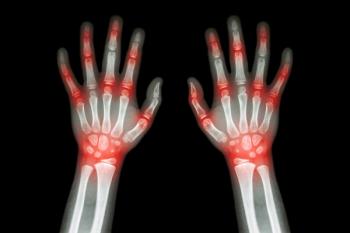
An analysis of perimenopausal women with rheumatoid arthritis indicated that patients receiving exogenous sex hormones more frequently achieved SDAI- and CDAI-defined remission.

Newly published data from a phase 3 study demonstrate the safety and efficacy of fezolinetant (Astellas) for treatment of VMS due to menopause.

A new study offers insights into future guidelines for certain populations of pregnant women during a national pandemic.

Investigators identify a strong association between exposure to air pollution and bone mineral loss in postmenopausal women.
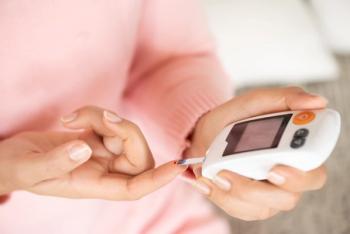
Further adding to the discussion surrounding the impact of endocrine-disrupting chemicals, an analysis of data from the SWAN Multipollutant Study suggests increased exposure to phthlates was linked to a 30-63% increase in risk of developing diabetes among White women in midlife.
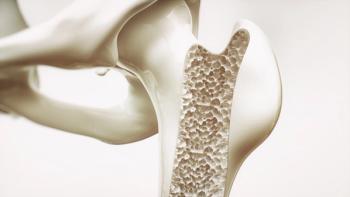
The US Food and Drug Administration has accepted the Biologics License Application (BLA) for a proposed biosimilar of denosumab (Prolia and Xgeva; Amgen) for treatment of various conditions.
Research reveals that hormone therapy and alternative medicine do not enhance quality of life for midlife women experiencing menopause symptoms.
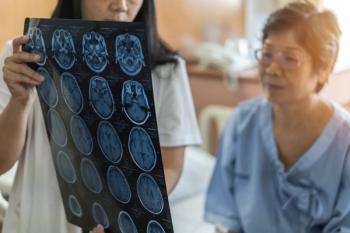
An analysis of data from the China Kadoorie Biobank study suggests cumulative exposure to estrogen was associated with stroke risk in postmenopausal women.

A recent study analyzed the effect artificially sweetened beverages have on urinary incontinence in women.
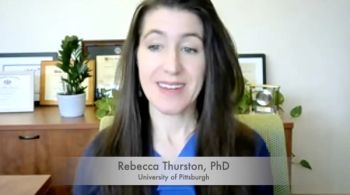
Rebecca Thurston, PhD, sits down to discuss her research presented at the NAMS Annual Meeting on vasomotor symptoms and cardiovascular health.

Research in Menopause connects history of physical/sexual abuse, financial instability with worse menopausal symptoms and overall wellbeing at midlife.
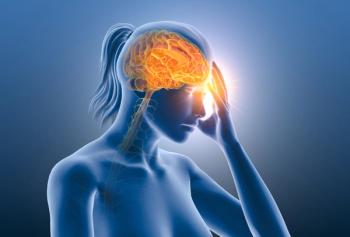
History of migraine may be associated with poor sleep in premenopausal and perimenopausal women, according to research presented at the North American Menopause Society Annual Meeting.

Traumatic experiences are associated with lower levels of sex hormones in midlife women, especially those with short sleep, according to research presented at the North American Menopause Society Annual Meeting.
A presentation at the North American Menopause Society Annual Meeting outlined the approval status and effectiveness of various pharmacologic treatments of vasomotor symptoms.
Advertisement
Advertisement
Trending on Contemporary OB/GYN
1
FDA approves pritelivir tablets to treat lesions from HSV
2
Well-woman visit upgrade, post-miscarriage ultrasound findings, cardio-obstetrics framework
3
Real-world data link fezolinetant to fewer nighttime awakenings
4
HPV vaccine before pregnancy tied to fewer adverse pregnancy outcomes
5