

Lam-Rachlin reported that the software did not add time to the examinations and, in some instances, appeared to speed up the process by providing a rapid preliminary analysis.
Lam-Rachlin reported that the software did not add time to the examinations and, in some instances, appeared to speed up the process by providing a rapid preliminary analysis.

In this video interview from SMFM 2026, Alexandra Hammerquist, MD, explains how an AI-based model achieved accurate and sensitive PAS prediction before delivery.
An institution-wide policy allowing elective induction at 39 weeks was linked to lower cesarean delivery and NICU admission rates.

Speaking at the SMFM 2026 Pregnancy Meeting, Molina emphasized that HIPAA protections, clear policies, and staff training are central to equitable ob-gyn care for immigrant patients.

In this Q&A interview, Marie Anderson, MD, of Columbia University, highlights a study presented at SMFM 2026 linking abortion restriction and increased rates of maternal death in the United States.
A new analysis finds that most pregnant patients with depression or anxiety discontinue SSRIs/SNRIs—and face nearly double the risk of mental health emergencies.
Speaking at SMFM 2026, Rose Molina, MD, MPH, FACOG, urged ob-gyns to adopt immigration-informed care to protect access, safety, and trust for immigrant patients.
Christina Paidas Teefey, MD, says advances in early prenatal diagnosis are accelerating fetal center referrals and underscoring the need for multidisciplinary and psychosocial support.

The Society for Maternal-Fetal Medicine has released updated checklists to guide evidence-based management of monochorionic twin pregnancies and reduce preventable complications.

Addressing geographic inequities in maternal-fetal medicine care through workforce investment and policy reform is critical to improving pregnancy outcomes and reducing maternal deaths, according to SMFM.
A look into what to expect at the 2026 Society for Maternal-Fetal Medicine 2026 Pregnancy Meeting from Las Vegas, Nevada, with Christina Paidas Teefey, MD, a maternal fetal medicine specialist.

Discover how Mirvie’s RNA platform uses a simple blood test to detect fetal growth restriction early in pregnancy, allowing for proactive interventions and improved outcomes for mothers and babies.

Nicola F. Tavella, MPH, dives into his team's research on postpartum depression and unplanned cesarean delivery, which was presented at SMFM's 2025 Pregnancy Meeting.

Discover how maternal fetal medicine specialists are tackling maternal mortality disparities through trust-building, diverse care teams, and comprehensive support programs.

Timely diagnosis of gestational diabetes is crucial for optimal maternal and fetal health, but a recent study highlights demographic disparities in screening delays and the need for further research on potential health impacts.

A new study links first-trimester hemorrhage and anemia to a higher placenta accreta spectrum risk, emphasizing early screening and non-traditional risk factors.

AI-assisted software improves clinicians' detection of congenital heart defects in prenatal ultrasounds, enhancing accuracy, confidence, and speed, according to a study presented at SMFM's Annual Pregnancy Meeting.
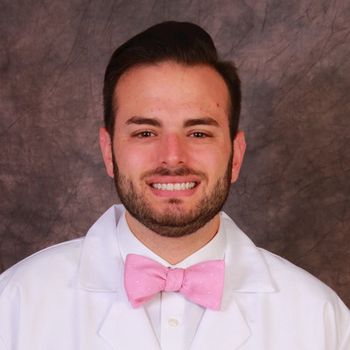
Daniel L. Kuhr, MD, maternal fetal medicine fellow at Mount Sinai, discusses the role of neighborhood-level indices in predicting spontaneous preterm birth risk and why individual patient characteristics remain the key factor.

A new randomized control trial reveals that barbed sutures significantly reduce blood loss during hysterotomy, offering valuable insights for improving clinical outcomes in obstetric surgery.

Researchers have identified higher concentrations of microplastics and nanoplastics in the placentae of infants born prematurely compared to those born at term, a new study finds.

A new study presented at the SMFM 2025 Pregnancy Meeting found that homicide and suicide are the leading causes of maternal death in the United States.

A new study explores the potential link between antiretroviral therapy, specifically integrase inhibitors, and fetal biometric measurements, shedding light on possible pregnancy complications.

Artificial intelligence-powered ultrasound analysis is enhancing the early detection of congenital heart defects, improving diagnostic accuracy, physician confidence, and neonatal outcomes.

In the study, investigators analyzed the Jada System in 800 patients from October 2020 to April 2022 across 16 hospitals in the United States. Results of the study were presented at the SMFM 43rd Annual Pregnancy Meeting in San Francisco, California.

A single oral dose of azithromycin in women in labor planning vaginal delivery significantly reduced the risk of maternal death and sepsis, according to study results presented at the SMFM 43rd Annual Pregnancy Meeting.

An oral concurrent session at SMFM’s 42nd Annual Pregnancy Meeting highlighted an analysis of pregnancy outcomes after optimal prenatal opioid use disorder care.

An oral presentation at the Society for Maternal-Fetal Medicine’s (SMFM) 42nd Annual Pregnancy Meeting explored possible associations with marijuana use and nausea and vomiting in early pregnancy.

An oral abstract presentation at SMFM’s 42nd Annual Pregnancy Meeting explored cfDNA testing and participants’ knowledge and willingness of genetic data sharing.

In this exclusive video interview, Michal Elovitz, MD, chief medical advisor at Mirvie, discusses the latest data from the RNA testing platform in predicting preterm birth at the SMFM 42nd Annual Pregnancy Meeting.
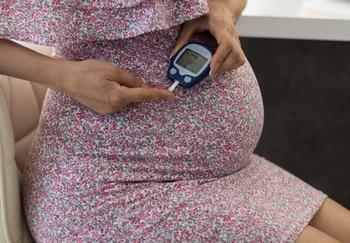
Researchers presented a study at the SMFM 42nd Annual Pregnancy Meeting to assess if early gestational diabetes (GDM) screening is associated with improved perinatal outcomes.