

Ranging from a comparison between hospital and home births to an update from the CDC on infant mortality, these are five of the most noteworthy obstetric-focused studies published in August 2019.
Ranging from a comparison between hospital and home births to an update from the CDC on infant mortality, these are five of the most noteworthy obstetric-focused studies published in August 2019.

A recent study examined how bicycle seats may play a role in the prevalence of sexual dysfunction among female adult bicyclists.

A recent study on patients with epilepsy compared the frequency of sexual problems in this population with the general population.

Since hormonal contraception was introduced in the 1960s, the risks and benefits of the drugs have been the topic of considerable debate. How much do you know about the subject?
September is Ovarian Cancer Awareness month. In this month's poll, we want to know if you discuss salpingectomy as a prophylactic measure against ovarian cancer with your patients.

A recent population-based cohort study examined whether women with schizophrenia are at higher risk for rapid repeat pregnancy than their peers without schizophrenia.

A small study using neuroimaging explored a possible association between prenatal exposure to organophosphate pesticides (OPs) and deficits in certain brain functions in adolescents.

One of the largest-ever studies of menstrual cycle characteristics shows that common assumptions about when ovulation occurs may be at variance with what happens to women in the real world.

A recent study evaluated whether an institutional policy of universal perinatal depression screening would increase screening frequency and treatment after a positive test result.
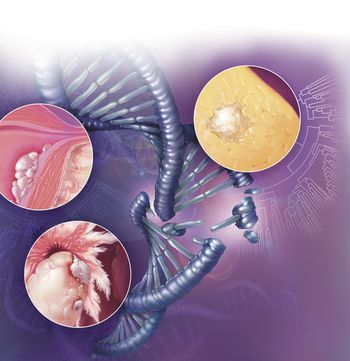
There are several features in a woman’s personal or family history that should raise suspicion for potential involvement of an underlying genetic mutation and prompt genetic counseling/testing.

As they often serve as primary care providers, ob/gyns are uniquely positioned to help identify at-risk women before they develop cancer.

Ob/gyns must be ready to move quickly when a patient exhibits the sudden and unexpected signs of anaphylactoid syndrome (ASP).

As value in healthcare becomes an increasing priority for healthcare systems, ERPs will play a vital role in improving the care provided to patients.

Results of a Phase III study suggest that a microbicidal vaginal gel may hold promise for prevention of recurrent bacterial vaginosis (BV).

Results of a new study that used Amazon’s survey technology reveal whether patients are telling clinicians when they face imminent threats to their health.

A randomized trial examined whether cytomegalovirus (CMV) hyperimmune globulin is the answer to preventing CMV infection during pregnancy.

A recent study aimed to examine characteristics of real-world use patterns among a large sample of American women.

The US Preventive Services Task Force (USPSTF) recently released updated recommendations on risk assessment, genetic counseling, and genetic testing for BRCA-related cancer.

New research examines the negative effects of chronic pelvic pain on aspects of sex such as lubrication.
This month's quiz reviews some of the major takeaways from the July 2019 article, "Genitourinary syndrome of menopause: Underdiagnosed and undertreated."

Among women who died from sepsis, a majority had a delay in care and a delay in escalation of care.

Approximately 60% of maternal deaths occur postpartum. As such, the postpartum visit must gain a renewed sense of importance for the woman and her providers.

While most genetic disorders occur in patients with no relevant family history or risk factors, patients who have a family history of concern often benefit from genetic counseling.

The findings from a new survey-based study shed light on how reproductive coercion and relationship abuse influence sexual health in this population.

A recent study investigated the relationship between laparoscopically confirmed endometriosis and adverse pregnancy outcomes.

Management of OSA in pregnant women should continue through the postpartum period and should be multidisciplinary.

New research explores the reasons why women turn to alcohol, tobacco, and cannabis during pregnancy

A randomized clinical trial explored whether an intervention that combines technology and community nurses could improve treatment outcomes for pelvic inflammatory disease.

An epidemiologic study by Chinese investigators compared how age at menarche impacts risk of type 2 diabetes mellitus (T2DM).

We have the power to mitigate the adverse impact of rapid advancement in information technology.