
Don’t let time constraints and large patient loads prevent you from providing a thorough well-woman visit. Are you covering all the bases?
Don’t let time constraints and large patient loads prevent you from providing a thorough well-woman visit. Are you covering all the bases?
Prolonged bleeding as women transition into menopause is common. Although disconcerting, these changes generally require nothing more than watchful waiting.
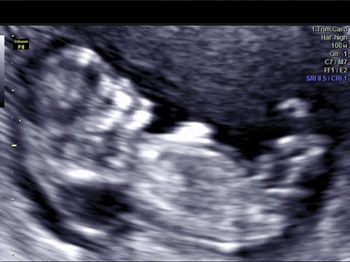
Challenge your diagnostic skills: Can you identify this well-known anomaly?
What does the world look like through Google Glass?
Not losing any baby weight within 1 year after delivery increases a woman’s risk of diabetes and heart disease, new research shows.
A randomized controlled trial (RCT) calls into question the benefit of administering hyperimmune globulin to pregnant women with primary cytomegalovirus infection (CMV) as a way to prevent intrauterine transmission. CMV is a major cause of morbidity and mortality.
A recent study in Cancer Epidemiology, Biomarkers & Prevention indicates that the link between breast cancer and fertility drugs may not be as strong as previously suspected.
When temperatures remain over 32° C for at least 4 days, the probability of an early-term delivery may increase by as much as 27%, according to new research in Epidemiology.
The reported outcomes for the da Vinci robot have been disappointing, but a new study shows that surgeons can achieve expert-level results using the Morristown Protocol.
Digital mammography is superior to screen-film mammography, and the digital technology has other patient benefits as well, a new study finds.
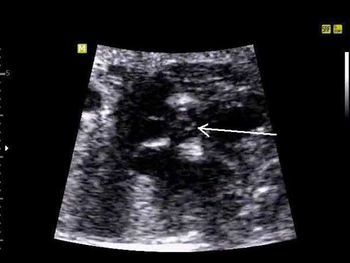
Challenge your diagnostic skills: Can you identify this cardiac defect?
A study from The American Journal of Clinical Nutrition is the basis for this article in Woman's Day. A link to the North American Menopause Society’s website is offered in the introduction, but not one to the study abstract itself.
Featured on the home page of Ladies Home Journal’s Health section, this article offers guidelines for Tdap, influenza, herpes zoster, pneumococcal disease, and hepatitis B vaccination in adults. No information is included on vaccination in pregnancy.
Expert Mary Jane Minkin, MD, is quoted in an article in Women’s Health that profiles a study from the Journal of Sexual Medicine.
Marijuana and e-cigarettes can cause harm in more ways than you may think. Do you ask your patients about their marijuana or e-cigarette use? The numbers may surprise you.
The number of live births a woman has had may indicate her risk of heart disease, adding to evidence that body changes in pregnancy play a role in cardiovascular disease.
A reader writes about reducing costs of care to lead to improved, sustainable revenues for the clinical enterprise.
Patients undergoing IVF do better with strong social support, but many of these patients feel isolated and don’t share their fertility struggles. Can mindfulness help?
Data from a study presented at the American College of Cardiology’s 63rd Annual Scientific Session raise the intriguing question of whether multiparity raises the risk of cardiovascular disease (CVD) in women. The report, by researchers from the University of Texas Southwestern, suggests that plaque in the heart and arterial thickening may be more prevalent in women who give birth four or more times than in those with two to three live births.
Failure to lose any ‘baby weight’ in the first year postpartum could increase a woman’s risk of diabetes and cardiovascular disease, over the long term, according to a recent study in Diabetes Care.
According to a recent study in The Lancet, a reduction in preterm births and childhood hospital visits for asthma are additional benefits to public smoking bans.
Antidepressant use in pregnancy increases the risk of preterm birth. However, untreated depression is serious, and the needs of the mother must come first.
Mammography screening for breast cancer saves lives: this should be the message that physicians spread to colleagues and patients, say leading experts.
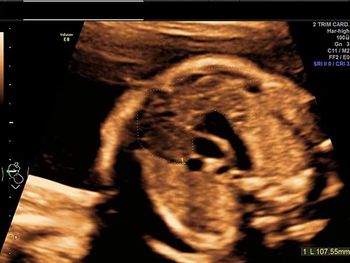
Challenge your diagnostic skills: Can you identify the highlighted structure?
A commentary on the recommendations in ACOG Practice Bulletin No. 136.
Contemporary OB/GYN was named a Jesse H. Neal Award winner on March 18, 2014 by American Business Media during its 60th Annual Neal Awards ceremony in New York City.
Was there an unreasonable delay in making the diagnosis, and did that delay have an effect on the patient’s treatment and overall life expectancy?
The best strategy for identifying pelvic masses and triaging patients to the appropriate surgeons.
Know your limitations, document, train, and communicate, says this MFM specialist who has served as an expert witness.