

Review some of the top stories from the Contemporary OB/GYN website over the past week and catch up on anything you may have missed.
Review some of the top stories from the Contemporary OB/GYN website over the past week and catch up on anything you may have missed.
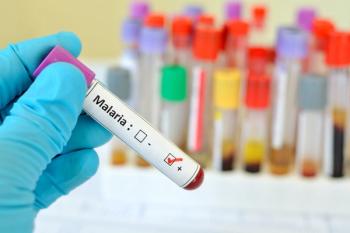
A study found that pregnancy malaria and preterm delivery increase early-life susceptibility to malaria in children.

Ob-gyns play a crucial role in identifying fertility issues and facilitating referrals to reproductive endocrinologists for seamless patient care.

A study found that insomnia and obstructive sleep apnea during pregnancy are linked to increased risks of ischemic placental disease and severe morbidity.

A study found that recommended treatment significantly increases survival rates in women aged 65 years and older with early-stage cervical cancer.

New research reveals rising non-adherence to cervical cancer screening and declining HPV vaccine awareness since the pandemic.

A study found that more than half of heart attacks in women aged under 65 years stem from factors beyond clogged arteries.

New data show umbilical cord arterial pH under 7.05 at birth is associated with a higher risk of cerebral palsy, epilepsy, and death.
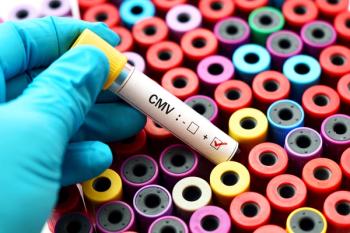
A study found universal first-trimester cytomegalovirus screening could reduce poor pregnancy outcomes and save health care costs.

New research shows oral HRT increases cardiovascular risks in women with type 2 diabetes, while transdermal HRT appears to be safer.

New research suggests women with a history of cervical cancer face elevated anal cancer risk, highlighting the need for expanded screening guidelines.

Recent work presented at the 2025 annual meeting of American Society of Bone & Mineral Research found that romosozumab significantly outperformed teriparatide and denosumab in improving hip and spine bone strength.

A study found 16S nanopore sequencing offers high accuracy in identifying intraamniotic infection, a major contributor to preterm delivery.
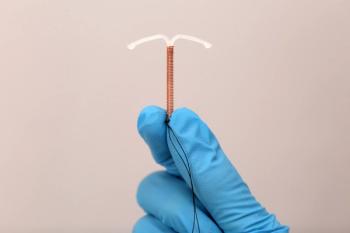
Study finds immediate postpartum IUD placement increases long-term use but raises expulsion risk compared with delayed insertion.

A study found that women exposed to computed tomography imaging before conception faced increased odds of pregnancy loss and congenital anomalies.
Review some of the top stories from the Contemporary OB/GYN website over the past week and catch up on anything you may have missed.

A study found women with Medicaid insurance are more than twice as likely to experience delays in starting cervical cancer treatment.

New data reveal that more than 70% of Gen Z women report age-related fertility concerns, with experts urging education, proactive planning, and supportive language to reduce panic.

A recent study found variations in menstrual product use by race, age, socioeconomic status, and menstrual factors.

Women with a history of cervical cancer face nearly double the risk of anal cancer, highlighting the need for tailored screening guidelines.

Find out the top 5 latest updates and headlines in folic acid research in honor of National Folic Acid Awareness Week (September 8-14, 2025).

A trial shows all surgical approaches for vaginal vault prolapse enhance body image and sexual health in women.

A study found that women with a nutrition major in college and access to folic acid information were more likely to plan folic acid supplementation prior to pregnancy.
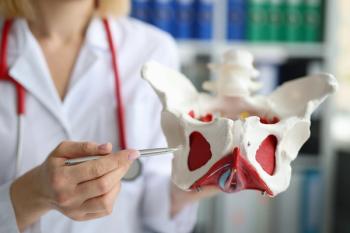
A study found that hysteropexy patients faced a greater long-term risk of surgical retreatment compared with hysterectomy.

Jesus Gonzalez Bosquet, MD, PhD, discusses how machine learning could improve early ovarian cancer diagnosis by identifying methylated DNA in blood.
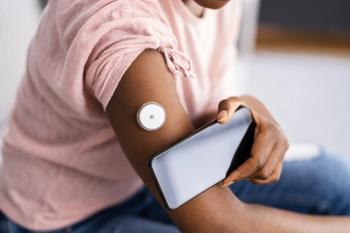
A study found continuous glucose monitoring improves glycemic control vs self-monitoring in diabetes during pregnancy.

The updated guidelines emphasize shared decision-making, early counseling, and pregnancy heart teams to improve outcomes.

A national poll finds most women underestimate diet’s role in reducing menopause symptoms, despite evidence for plant-based diets with soy.

A study found women with preeclampsia face a 1.5-fold increased risk of cardiovascular disease, highlighting the need for early monitoring.

A study found that women receiving hysterectomy, especially with bilateral oophorectomy, face a significant increase in stroke risk.