

In a recent study, providers were more likely to recommend combined hormone replacement therapy (HRT) than estrogen-only HRT in patients with severe endometriosis because of recurrence risks from estrogen-only HRT.
In a recent study, providers were more likely to recommend combined hormone replacement therapy (HRT) than estrogen-only HRT in patients with severe endometriosis because of recurrence risks from estrogen-only HRT.

Patients are the biggest offenders, but many also encounter racism from colleagues and supervisors.

In a recent study, nulliparous women with postpartum urinary incontinence recovered without intervention.

In a recent study, the risks of neonatal low birth weight and perinatal depressive symptoms were greater in women who often or always felt unsafe in their neighborhood.

Study finds providing medications for free lowered median health care spending by $1641 annually.

In a recent study, states with more comprehensive health insurance had improved rates of postpartum attendance visits, but data on long-term health outcomes was insufficient.

The North American Menopause Society Advisory Panel has announced the release of their 2023 position statement on nonhormonal therapy for menopause.

A pair of studies presented at EULAR 2023 offer perspective on the potential for postpartum depression as well as symptoms of depression and anxiety during pregnancy among women with rheumatic disease.

Daré Bioscience has announced positive results from a phase 2b trial analyzing the safety and efficacy of sildenafil cream, 3.6% in women with female sexual arousal disorder.

In a recent study, transvaginal ultrasound examination was effective at predicting placenta accreta spectrum in patients with a history of cesarean delivery.

Survey examines yearly evolution of patient, doctor feelings on access to care.

Reductions in symptom incidence and severity from uterine fibroids and endometriosis have been observed in patients receiving relugolix combination therapy.
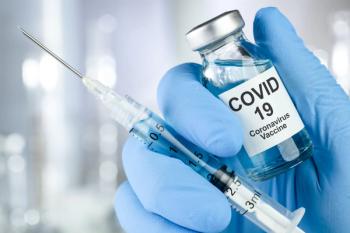
Adverse events were significantly more frequently reported by pregnant patients when compared with non-pregnant patients. However, no differences were observed when comparing pregnant patients with autoimmune disease and healthy controls.
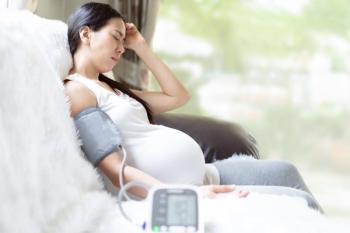
In a recent study, increased samples of messenger RNA, microRNA, and long noncoding RNA were found in patients with preeclampsia compared to normotensive patients.

In a recent study, rates of stillbirth were higher in pregnancies with increased maternal body mass index.

A study comparing the symptoms of female sexual arousal disorder in premenopausal and postmenopausal women has been published by Daré Bioscience.

Expanding peripartum prophylaxis could be more cost-effective, but would likely lead to significant over-treatment.

Jeff Andrews, MD, FRCSC, Vice President of Medical Affairs for Integrated Diagnostic Solutions at BD, discusses the link between human papillomavirus (HPV) and cervical cancer, and how HPV self-sampling kits may increase rates of cervical cancer screening.
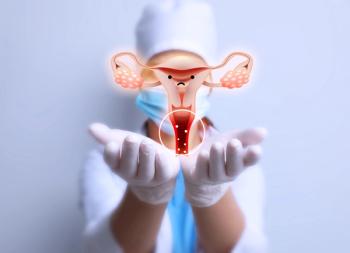
A multi-targeted rapid sample processing and testing system has shown efficacy for diagnosing vulvovaginal candidiasis by detecting the presence of Candida species in women.

There were several risk factors identified, including abortion, hospitalization, past surgical procedure, dental extraction, delivery in hospital, injection in hospitals, and household contact with jaundice.

In a recent study, cardiovascular disease events were seen more often in women with irregular or long or short menstrual cycles.

Medical care, lost productivity, premature deaths take a huge toll on patients, families, and the economy, according to researchers.

In a recent study, increased street view-based green space, especially tree coverage, led to decreased risks of depression in post partum women, with mediation effects observed for physical activity.

In a recent study, use of β3-adrenoceptor agonists over anticholinergic prescriptions differed based on patient race.

New data indicates that increased risk for offspring in developing different disorders is associated with maternal alopecia areata exposure, expanding the available information on alopecia and maternal autoimmunity.
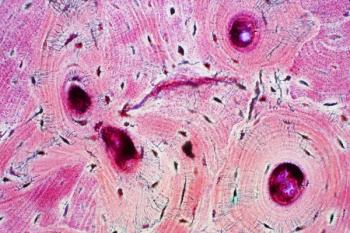
In a recent study, midlife women with prediabetes before menopause transition were more likely to experience fractures in postmenopause.

In a recent study, pregnant people receiving extracorporeal membrane oxygenation experienced low mortality rates but high morbidity rates.

New data indicates the usefulness of spironolactone as an alternative to oral antibiotics for women in the UK with acne vulgaris, given increasing resistance to antibiotics due to widespread use.

In a recent study, induction of labor was found safe and beneficial in pregnant women at 39 weeks of gestation, with increased risks only seen for shoulder dystocia in nulliparous women.

Many barriers lead to low rates of use of LARCs.