

New data indicated the development of allergy was not affected by mothers’ consumption of eggs in the very early neonatal period, expanding the body of research exploring food sensitization.
New data indicated the development of allergy was not affected by mothers’ consumption of eggs in the very early neonatal period, expanding the body of research exploring food sensitization.

A recent article highlighted 6 bottlenecks which must be addressed to improve gender equity in biomedical research.

In a recent study, the risk of cervical intraepithelial neoplasia recurrence was reduced in patients using imiquimod.

Receptionists are facing serious workplace safety concerns and need training to cope.

In a recent study, increased rates of severe maternal morbidity were observed among hospitals with a lower obstetric volume in rural settings, but not urban settings.

Violence against health care workers has almost become a routine, if frightening, aspect of their jobs.

The White House has announced the signing of an executive order from President Biden to allow easier access to contraception in the United States.
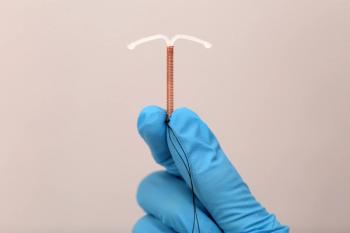
In a recent study, decreased use of long acting and permanent methods of contraception was found among patients with opioid use disorder.

The American Indian and Alaska Native population show the largest increase in median state ratios, rising from 14 - 49.2, while the Black population consistently had the highest median state ratios, increasing from 26.7 - 55.4.

A blood test to determine the risks of preeclampsia and severe preeclampsia in pregnant patients has been given approval by the FDA.

What do physicians need to know about AI tools to enhance their practice?

Beth A. Prairie MD MPH FACOG FACPM, discusses how alcohol consumption worsens symptoms of menopause in midlife women.

In a recent study, pregnancies with preterm prelabor rupture of membranes were associated with greater risks of intraamniotic infection, microbial invasion of the amniotic cavity without inflammation, and early-onset neonatal sepsis development in women with a history of cervical excisional treatment.

Significant cases of missed diagnoses of iron-deficiency emphasize the need for improved screening strategies and proactive measures to address these health risks.

Hugh Taylor, MD, discusses topic which will be presented at the 4th Annual International Congress on the Future of Women’s Health.
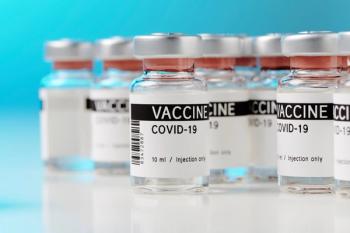
In a recent study, no clinically significant changes in ovarian reserve were found based on COVID-19 vaccination status.

Astellas has announced positive results of a trial evaluating the safety and efficacy of fezolinetant in menopausal women with moderate to severe vasomotor symptoms.

In a recent review, hormone therapy use was associated with gastroesophageal reflux disease.

In a recent review, the associations between components of lifestyle interventions and reductions in gestational weight gain were unclear.

Finding may have implications as more people take care of aging relatives around the world.

In a recent study, women diagnosed with attention deficit hyperactivity disorder were at a 24% increased risk of postpartum depression.

In a recent study, rates of maternal morbidity increased in 2021 compared to 2008, while in-hospital mortality rates were reduced.

Johnson & Johnson has announced positive safety and efficacy results in a phase 2 trial evaluating nipocalimab against early-onset severe hemolytic disease of the fetus and newborn.

NIDA study shows significant gender difference, but reasons are uncertain.

In a recent study, decreased risks of stroke after pregnancy were seen among women with pregnancy-associated stroke compared to those with non-pregnancy-associated stroke.

In a recent study, higher rates of cardiovascular disease incidence were observed in women who received a hysterectomy when aged under 50 years compared to women without a hysterectomy.

Women with gout were more likely to exhibit chronic kidney disease, heart failure, dementia, diabetes mellites, and obesity, among others, when compared with men.

In a recent study, positive safety and efficacy were found in patients taking mifepristone against adenomyosis.

Daré Bioscience has published new data on the safety and pharmacokinetics of DARE-HRT1.

Today's hospitals and medical practices face the challenge of remaining relevant in an extremely dynamic, competitive, and evolving market.