

Opinion|Videos|November 6, 2026
Diagnosing Sleep Disturbances Beyond VMS in Menopause
Limited visit time, minimal sleep medicine training, and widespread self-medication leave many women with menopause-related sleep disturbance underdiagnosed or treated with poorly supported agents.
Advertisement
In “Diagnosing Sleep Disturbances Beyond VMS in Menopause,” our experts examine why sleep disturbances are so often missed or mismanaged during menopause visits. Several barriers stand in the way of recognizing and treating sleep problems in menopause. Dr. Hofmann points first to time, noting that menopause visits must already cover many symptoms and body systems. She adds that most women's health clinicians receive little formal training in sleep, which can make them hesitant to ask questions they feel unprepared to answer. She notes that awareness is growing as sleep gains recognition as a pillar of cardiovascular health and mood.
Dr. Bertisch describes the challenge as the meeting point of two topics patients rarely raise on their own: their sleep and their midlife symptoms. She contrasts the broad differential a sleep specialist considers with the narrower toolbox many clinicians rely on. The panel also notes that many women have already tried over-the-counter sleep aids, alcohol, cannabinoids, or supplements before mentioning sleep to anyone.
Both panelists advocate a more holistic evaluation that considers medical, psychological, and behavioral contributors. Dr. Bertisch highlights an important shift in sleep medicine, in which insomnia can be treated directly rather than only by addressing underlying causes. She also distinguishes general sleep disturbance from chronic insomnia disorder, a formal diagnosis that requires careful assessment.
The episode closes on the practical reality of a short follow-up visit that must also address bone health, cardiovascular health, VMS, and sexual health. The discussion acknowledges that these constraints are real, while making the case that sleep still deserves a defined place in routine menopause care. It offers clinicians a clearer sense of the gaps in training and workflow that need to close, and why closing them matters for patients.
Up next, in "Setting Treatment Goals for Menopausal VMS and Sleep," Dr. Pinkerton walks through severity assessment and hormone therapy candidacy while Dr. Bertisch clarifies what the trial evidence actually measures.
Advertisement
Related to this article

Real-world data show maternal RSVpreF vaccination was 82% effective against infant RSV LRTI hospitalization through 3 months.

Soma Mandal, MD, MSCP, says removing MHT boxed warnings is overdue but calls for transparency on the FDA's product-specific rationale.

Peter Hsin, BS, discusses a meta-analysis linking perioperative ketamine to lower early postpartum depressive symptoms after cesarean delivery.

Susan Reed, MD, MPH, MS, and Calbeth C. Alaribe, DMSc, MPH, PA-C, CPCHE, weigh in on FDA boxed warning removals for menopausal hormone therapy.

The FDA granted accelerated approval to Voceryq to reduce papilloma excision surgeries in adults with recurrent respiratory papillomatosis.

Neither maternal MOUD dose nor umbilical cord opioid levels were associated with neonatal opioid withdrawal syndrome severity.
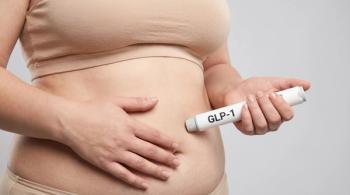
ACOG advises against GLP-1 receptor agonists in pregnancy and recommends considering discontinuation 1 to 2 months before conception.

Joint guidance from the AHA, AAP, ACOG, and SMFM organizes cardiovascular prevention for girls and women around 4 female life stages.
Advertisement
Advertisement
Trending on Contemporary OB/GYN
1
Centers for Medicare, Medicaid Services includes AMA's obstetric codes in 2027 fee schedule
2
Diagnosing Sleep Disturbances Beyond VMS in Menopause
3
Reactions to FDA's boxed warning removals for menopausal hormone therapy
4
Top headlines in women's health from October 2026
5