

Opinion|Videos|November 6, 2026
Setting Treatment Goals for Menopausal VMS and Sleep
Effective planning begins with grading VMS severity, characterizing the sleep complaint, and confirming hormone therapy candidacy, while recognizing that most sleep evidence derives from trials designed to treat hot flashes.
Advertisement
This episode, titled “Setting Treatment Goals for Menopausal VMS and Sleep,” features panelists discussing how clinicians build a treatment plan when both VMS and sleep are central concerns. Effective planning starts with understanding which symptom matters most and what the evidence can support. Dr. Pinkerton outlines a practical framework that begins with gauging how severe and disruptive the hot flashes are. She then characterizes the nature of the sleep complaint and finally considers whether the patient is a candidate for hormone therapy. She notes that contraindications, patient preferences, and clinician hesitancy all shape that decision, even as interest in hormone therapy has grown.
Dr. Bertisch adds an important clarification on terminology. Sleep disturbance is a nonspecific symptom, while insomnia disorder is a distinct diagnosis with its own evidence base. She points out that most sleep data in this area come from trials designed to treat hot flashes, so available options largely mirror vasomotor symptom (VMS) therapies. The quality and strength of sleep evidence varies considerably across and even within those drug classes.
Dr. Hofmann rounds out the episode by addressing measurements. She explains that patient-reported and objective sleep assessments often disagree, and that women in midlife may misjudge how well they are sleeping. This gap matters when clinicians judge whether a treatment is meeting its goals. Together, the panel emphasizes that setting meaningful goals requires clarity about the patient's priorities and realistic expectations of what treatment can achieve. The discussion encourages clinicians to define the target before choosing a therapy. It also reminds them to interpret sleep data with an understanding of how it was collected and what it measures, so that treatment goals rest on a sound foundation.
In "Comparing VMS Therapy Effects on Menopausal Sleep," the panel will compare how neurokinin receptor antagonists and hormone therapy affect sleep, and how much weight each data set can bear.
Advertisement
Related to this article

Real-world data show maternal RSVpreF vaccination was 82% effective against infant RSV LRTI hospitalization through 3 months.

Soma Mandal, MD, MSCP, says removing MHT boxed warnings is overdue but calls for transparency on the FDA's product-specific rationale.

Peter Hsin, BS, discusses a meta-analysis linking perioperative ketamine to lower early postpartum depressive symptoms after cesarean delivery.

Susan Reed, MD, MPH, MS, and Calbeth C. Alaribe, DMSc, MPH, PA-C, CPCHE, weigh in on FDA boxed warning removals for menopausal hormone therapy.

The FDA granted accelerated approval to Voceryq to reduce papilloma excision surgeries in adults with recurrent respiratory papillomatosis.

Neither maternal MOUD dose nor umbilical cord opioid levels were associated with neonatal opioid withdrawal syndrome severity.
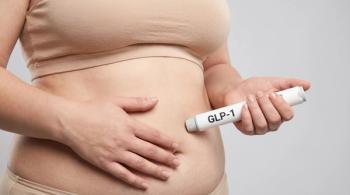
ACOG advises against GLP-1 receptor agonists in pregnancy and recommends considering discontinuation 1 to 2 months before conception.

Joint guidance from the AHA, AAP, ACOG, and SMFM organizes cardiovascular prevention for girls and women around 4 female life stages.
Advertisement
Advertisement
Trending on Contemporary OB/GYN
1
Centers for Medicare, Medicaid Services includes AMA's obstetric codes in 2027 fee schedule
2
Diagnosing Sleep Disturbances Beyond VMS in Menopause
3
Reactions to FDA's boxed warning removals for menopausal hormone therapy
4
Top headlines in women's health from October 2026
5