Hugh Taylor, MD, explains that imaging in endometriosis is best for ruling out other causes of pelvic pain and cannot exclude the diagnosis.
A new Gallup survey found 51% of women in the United States reported negative healthcare experiences.
More than half of US women have experienced at least one negative healthcare encounter in the past 5 years, and those unable to obtain needed care reported widespread downstream effects on their work, families, and community participation, according to a new survey conducted by Gallup in partnership with Pivotal.1,2
The survey of more than 5200 US-women and men found that 42% of women reported that in the past 5 years, their health caused them to feel they could not do everything they wanted to do in life.1 Additionally, 54% reported at least 1 health-related impact on their family life or relationships, 42% reported an impact on their work or career, and 32% reported an impact on their community participation or voice.
The burden is substantially greater for women who could not access care when they needed it. Among women unable to obtain needed care despite trying, 79% reported a health-related impact on family life or relationships, 66% reported at least 1 work-related impact, and 59% reported an impact on community participation or voice.
Overall, 51% of women reported at least 1 of 4 negative healthcare experiences in the past 5 years, compared with 39% of men. Specifically, 34% of women said a provider minimized or dismissed their symptoms or pain, 33% said they were misdiagnosed or could not get a diagnosis, 31% did not receive needed answers or next steps, and 25% received conflicting or inconsistent provider recommendations. Three in 10 women who had experienced a health condition reported having to push to be taken seriously or receive treatment, according to survey results.1,2
A quarter of women rate their physical health as fair or poor, rising to 35% of Black women and 28% of Hispanic women compared with 22% of White women.1 Regarding mental health, 27% of women rate theirs as fair or poor, and 48% reported a current or past mental health condition such as depression, anxiety, or PTSD.1
“What stands out in these data is how far the effects of women’s health extend beyond the doctor’s office,” said Stephanie Marken, senior partner at Gallup in a statement. “Women who struggle to get the care they need are telling us that these challenges don’t stop with their symptoms, or even treatment experiences; they affect what women can do at work, how they participate in family life and the role they can play in their communities.”1
Nearly 1 in 3 women (32%) said they skipped or delayed needed care because of cost in the past year, vs. 25% of men. Cost was the most common barrier reported, followed by difficulty finding a nearby provider and difficulty finding time because of caregiving responsibilities.
Information gaps compound these access barriers. Among women who sought or used contraception, 56% said they must do significant independent research to make informed decisions, while 41% said providers do not always share all available options. Nearly 7 in 10 women aged 18 to 34 who sought contraception reported encountering information about it on social media.
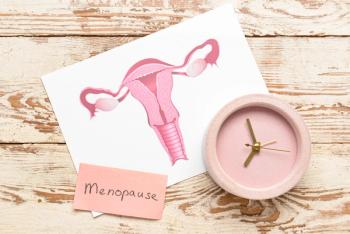
Among women aged 45 to 54, 74% reported current or past symptoms of menopause or perimenopause, yet 51% of those with symptoms had received a diagnosis.
Among women aged 35 and older who sought or received treatment for menopause symptoms, 24% reported having to push to be taken seriously or receive treatment, 23% had to see multiple providers before their symptoms were addressed, and 20% were unable to obtain the care they felt they needed.1
Regarding impact, 28% said menopause-related physical or mental health challenges limited how much effort they could give at work, while 15% decided not to pursue a promotion or leadership position, and 10% took extended leave from work or did not return.
Work and career impacts were significantly more pronounced among women with lower household incomes and women of color. More than half of women in households earning less than $50,000 (54%) reported at least 1 health-related work or career impact, compared with 33% of women in households earning $100,000 or more.1 Black women (49%) and Hispanic women (45%) were more likely than White women (40%) to report a work or career impact.1
Among women who had given birth in the past 20 years, 54% reported depression, anxiety, or another mental health challenge during pregnancy or the 12 months postpartum.1 Of those, 57% sought care, but only 29% described that care as very helpful.1 Black women were more likely than White women to say they returned to work before they were physically ready after giving birth (38% vs. 24%) and to report changing jobs (34% vs. 18%) or reducing hours (29% vs. 22%).1
Across multiple categories, most (61%) agreed that improving women’s health should be a high or top priority for state (61%) and the federal governments (60%). Majorities also supported specific goals including safe, healthy pregnancy and birth (82%), access to quality healthcare (81%), access to contraception (70%), and comprehensive, affordable, science-backed menopause care (66%).1
References: