

Review some of the top stories from the Contemporary OB/GYN website over the past week and catch up on anything you may have missed.
Review some of the top stories from the Contemporary OB/GYN website over the past week and catch up on anything you may have missed.

A recent study found a decline in early-onset group B streptococcus infections and deaths in newborns after prenatal screening recommendations were updated in 2019.

A new study found that pregnant individuals with overweight or obesity are significantly less likely to meet recommended physical activity guidelines.

A new study highlights the strong prognostic value of the 100-g oral glucose tolerance test in identifying pregnant women at high risk for developing diabetes mellitus.

A study found that increased midpregnancy uterine artery resistance may slightly impair executive function in offspring.

Women who drink heavily are 50% more likely to become pregnant, even when actively trying to avoid it, according to a new study.

Study reveals rising use of antiseizure medications during pregnancy, highlighting risks and trends in maternal health and medication safety.

A nationwide analysis reveals rural mothers are more likely to receive medication or therapy for postpartum depression and anxiety compared with their urban counterparts.
Review some of the top stories from the Contemporary OB/GYN website over the past week and catch up on anything you may have missed.
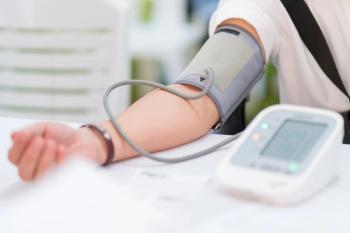
A new review finds immediate release nifedipine offers comparable safety and efficacy to IV labetalol and hydralazine in managing severe hypertension during pregnancy.

A new study reveals Black women have larger, more U-shaped levator hiatus dimensions than White women, highlighting potential implications for pelvic floor disorder.

Driven by economic concerns and shifting family planning trends, the US fertility rate dropped below 1.6 births per woman, despite a slight rise in total births.

A new meta-analysis found no significant difference in wound complications between metal staples and subcuticular sutures for post-cesarean skin closure in obese patients.
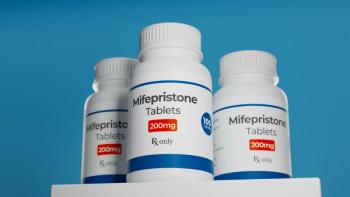
A new study finds that patient-reported screening methods are highly effective for determining medication abortion eligibility.
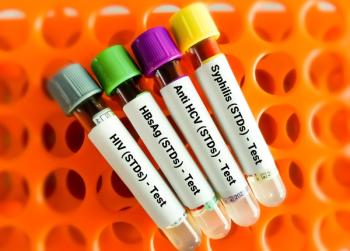
A new study finds that infections such as chlamydia, gonorrhea, and syphilis during pregnancy significantly increase the risk of stillbirth, preterm birth, and low birth weight.

The World Health Organization’s evidence-based recommendations aim to improve care and outcomes for pregnant women with sickle cell disease.
Review some of the top stories from the Contemporary OB/GYN website over the past week and catch up on anything you may have missed.

A new study finds that intrahepatic cholestasis of pregnancy diagnosis before 32-weeks’ gestation increases the risk of adverse outcomes.

A study finds that a uniform labor induction protocol did not reduce racial disparities in cesarean deliveries or maternal health outcomes.

The FDA has granted priority review to expand flibanserin (Addyi; Sprout Pharmaceuticals) use to postmenopausal women, potentially broadening access to treatment for hypoactive sexual desire disorder.

A new study reveals that stem cell treatment activates oocytes in 70% of women with ovarian failure.

A new study finds that restrictive abortion legislation significantly increases maternal health risks in pregnancies with life-limiting fetal diagnoses.

Women with hypertensive disorders of pregnancy are more likely to never start or stop breastfeeding early, according to a recent study.

A new study highlights the urgent need for standardized, globally applicable guidelines to improve the diagnosis and management of placenta accreta spectrum.

A new review reveals that maternal depression significantly impairs bonding, sensitivity, and emotional engagement among mothers.

New research suggests oxytocin could help reduce mood disturbances caused by sleep disruption during menopause and postpartum.

Infants born preterm or with complications face higher risks of chronic conditions in adulthood, highlighting policy and health care needs.
Review some of the top stories from the Contemporary OB/GYN website over the past week and catch up on anything you may have missed.

DiaMedica Therapeutics' investigational therapy DM199 significantly reduced blood pressure and improved uterine blood flow in patients with preeclampsia, with a favorable safety profile.

Tirzepatide and menopause hormone therapy may significantly enhance weight loss and health outcomes in postmenopausal women.