
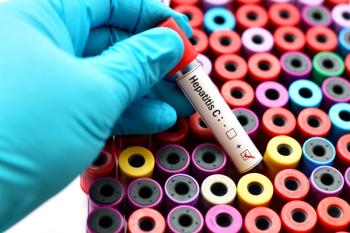
A national study reveals that fewer than 1 in 3 children with hepatitis C receive care, with significant gaps linked to race, region, and age.
A national study reveals that fewer than 1 in 3 children with hepatitis C receive care, with significant gaps linked to race, region, and age.

A new study finds first-trimester trimethoprim-sulfamethoxazole use increases the risk of congenital malformations compared with β-lactam antibiotics.
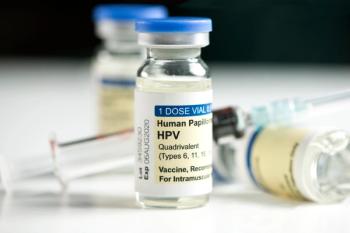
A 13-year randomized trial finds no added benefit from a booster dose in preventing persistent HPV-16 and HPV-18 infections.

A large Brazilian study finds that early or late menarche may predict long-term cardiometabolic and reproductive health risks in women.

Joint recommendations highlight the importance of screening, medication management, and contraception counseling to improve pregnancy outcomes in women with diabetes.

A new study reveals distinct gut microbiota patterns in pregnant women with gestational diabetes, offering potential for early, non-invasive detection and targeted interventions.

Review some of the top stories from the Contemporary OB/GYN website over the last week, and catch up on anything you may have missed.

Women with kidney transplants who conceive through assisted reproductive technology face increased risks of complications such as hypertension, preterm birth, and cesarean delivery, according to new research.
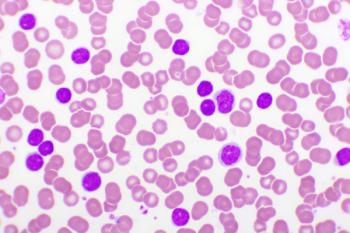
A large Swedish study reveals a 21% higher risk of acute lymphoblastic leukemia in children born via planned cesarean section compared to vaginal delivery.

A recent randomized trial found no significant improvement in birth weight or key birth outcomes from antenatal trimethoprim–sulfamethoxazole prophylaxis in human immunodeficiency virus-positive pregnant women.

New research reveals increased rates of human papillomavirus infection and cervical cancer in women aged 65 years and older, highlighting the need to reconsider current screening guidelines.

A recent study found that unopposed estrogen therapy reduces young-onset breast cancer risk, while combined estrogen-progestin therapy increases it.

A major study of over 2 million women reveals that common pregnancy complications significantly increase the risk of stroke decades later.

A new study shows that a first-trimester blood test using cell-free RNA can predict early and late-onset preeclampsia with high accuracy.

A new study uncovers inherited epigenetic changes in embryos of women with polycystic ovary syndrome, offering insights into early risk detection and future fertility therapies.

A large-scale study finds women with endometriosis are 4 times more likely to conceive than those with other infertility diagnoses, offering new hope for patients.

A recent study highlighted a longer average pregnancy duration before abortion in states with bans, alongside increased travel time and costs.

New research reveals that reduced Parabacteroides merdae and elevated branched-chain amino acids in women with polycystic ovary syndrome may increase adverse pregnancy outcomes.

Eliminating a modest out-of-pocket cost significantly increased digital breast tomosynthesis use and reduced disparities across racial, ethnic, and language groups.

A large European study finds that exposure to fine particulate matter during pregnancy may increase the risk of childhood overweight and obesity, especially in children aged 9 to 12 years.

New research shows that analyzing sleep pattern variability from wearable devices can improve early prediction of preterm birth in pregnant women.

Experts warn that removing the COVID-19 vaccine from CDC guidelines endangers maternal and neonatal health and undermines evidence-based medical practice.

A new study finds women with postpartum hemorrhage face significantly higher odds of cardiovascular disease and thromboembolism for up to 15 years after childbirth.
Review some of the top stories from the Contemporary OB/GYN website over the last week, and catch up on anything you may have missed.

A new study reveals rising breast cancer rates among minority women aged 65 to 74 years, highlighting the need for targeted screening and intervention strategies.

Women with attention-deficit hyperactivity disorder are over 3 times more likely to experience premenstrual dysphoric disorder, especially when co-occurring with anxiety or depression, according to new research.

A new study reveals that abnormal postpartum bleeding is more common than previously reported, driving up hospital costs and increasing the risk of serious complications.

New research shows women receiving Medicaid and support services are significantly more likely to receive treatment for opioid and drug use disorders.

A new study reveals that nearly half of women who want kids are uncertain they'll follow through, shedding light on the complex emotions behind declining birth rates.
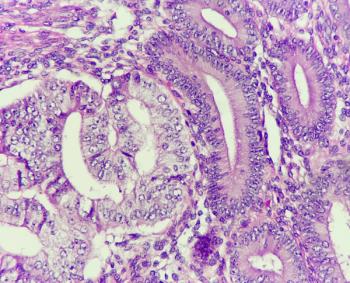
A major clinical trial shows personalized treatment based on molecular profiling can safely cut radiation use in nearly half of women with high-intermediate risk endometrial cancer.