

A new study found that the severity of pelvic pain in patients with endometriosis affects health-related quality of life through the influence of coping mechanisms.
A new study found that the severity of pelvic pain in patients with endometriosis affects health-related quality of life through the influence of coping mechanisms.

New research from Penn State reveals that endometriosis disrupts the autonomic nervous system, offering clues for earlier diagnosis.

A national survey found that over half of Americans mistakenly believe women cannot safely give birth in their 40s.

A study highlights the need for culturally responsive, patient-centered care to address the experiences of Black women with endometriosis.

A study found that individuals’ ability to achieve their pregnancy preferences differs across sociodemographic factors.

Women with prior cesarean delivery are more likely to experience severe pain, sleep disturbances, and daily activity disruption postpartum.
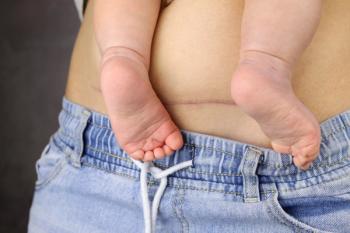
Women who undergo cesarean delivery during advanced labor face a greater risk of scarring that may increase preterm birth risk in future pregnancies.

Researchers from found that hormone replacement therapy may restore immune function changes linked to menopause.

A study found that while women show faster reaction times during ovulation, regular physical activity has a greater impact on enhancing cognitive function.

New reveals that nearly one-third of patients with long COVID develop postural orthostatic tachycardia syndrome.

Women undergoing mastectomy face greater risks of emotional distress, physical symptoms, and reduced quality of life compared with breast-conserving procedures.

Review some of the top stories from the Contemporary OB/GYN website over the past week and catch up on anything you may have missed.
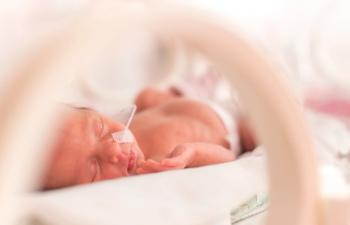
A study links maternal death to greater infant mortality and hospitalization rates, underscoring the need for stronger maternal health support.

Research shows that COVID-19 vaccination during pregnancy continues to prevent hospitalizations and safeguard infants aged under 6 months.

A study found early medical abortion at home up to 12 weeks’ gestation is as safe and effective as in-hospital care, supporting expanded access.

A study highlights rising rates of cardiovascular complications during pregnancy and underscores the need for preventive care before, during, and after birth.

Children born preterm face significantly reduced odds of completing high school and university compared with full-term peers.
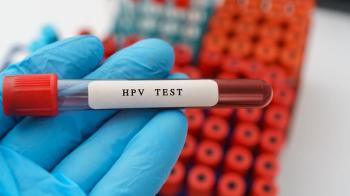
A new study shows that directly mailing human papillomavirus self-sampling kits improves screening adherence and offers superior cost-effectiveness.

A study highlights the potential of salpingectomy to reduce ovarian cancer incidence, while experts call for international collaboration.
Review some of the top stories from the Contemporary OB/GYN website over the past week and catch up on anything you may have missed.
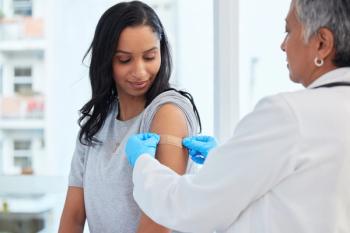
A survey reveals declining confidence in COVID-19 vaccination during pregnancy, with fewer adults recommending it despite scientific evidence.
A panel issued new consensus statements on hormone therapy for breast cancer survivors, highlighting when estrogen may be considered.

A study found that menopause does not increase disability progression in women with multiple sclerosis

A new study shows surgeons are more likely to adopt opportunistic salpingectomy for sterilization when their peers already use the procedure.

A new study reveals that preconception body mass index outside the normal range is linked to lower fertility and greater miscarriage risk.

A trial found that antenatal betamethasone significantly lowers the risk of respiratory complications in late preterm twin pregnancies.

A review highlights viscoelastic testing as a cost-saving, minimally invasive tool that could improve maternal outcomes.
Review some of the top stories from the Contemporary OB/GYN website over the past week and catch up on anything you may have missed.

A study found that women with hyperemesis gravidarum face significantly increased risks of multiple mental health conditions.

Findings from the OASIS-3 trial show the nonhormonal drug elinzanetant cut vasomotor symptoms by 73%.