

Researchers developed a CRISPR-Select assay to classify BRCA gene variants, improving early breast and ovarian cancer detection.
Researchers developed a CRISPR-Select assay to classify BRCA gene variants, improving early breast and ovarian cancer detection.

A new study finds that exposure to mycoestrogens during pregnancy may reduce birthweight and impair placental efficiency, with climate change expected to increase exposure risks.

Review some of the top stories from the Contemporary OB/GYN website over the last week, and catch up on anything you may have missed.

In response to recent threats and attacks, the American College of Obstetricians and Gynecologists urges stronger protections for clinicians and reaffirms support for safe, accessible reproductive care.

A new study finds that mailing human papillomavirus self-collection kits, especially with patient navigation support, significantly boosts cervical cancer screening rates.
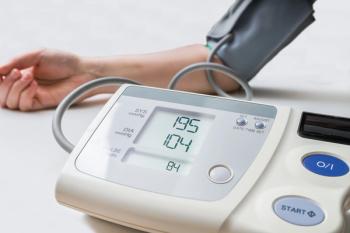
A new study reveals that children born to mothers with high blood pressure during pregnancy face a significantly increased risk of seizures, potentially because of brain inflammation.

A large study finds that women working night or irregular shifts face significantly higher odds of moderate to severe asthma, unlike their male counterparts.

New research reveals that women with endometriosis face increased risks of rheumatoid arthritis, osteoarthritis, and multiple sclerosis because of shared genetic and immune pathways.

A study of adolescents with pathology-confirmed endometriosis reveals common symptoms such as progressive dysmenorrhea and heavy bleeding.
Review some of the top stories from the Contemporary OB/GYN website over the last week, and catch up on anything you may have missed.

A new study suggests a strong association between hyperinsulinemia and abnormal uterine bleeding, pointing to shared risk factors that could inform future prevention and treatment strategies.

A retrospective study finds comparable pregnancy rates between PPOS and GnRH antagonist protocols, with a trend toward improved blastocyst outcomes in PPOS cycles.

A new study shows extrauterine cerebellar ultrasound is a reliable, low-cost method to assess gestational age after fetal or neonatal death, especially in low-resource settings.

Vaccinating pregnant women at least 5 weeks before delivery significantly improves transplacental transfer of respiratory syncytial virus antibodies, offering better early protection for infants.

A recent study presented at ACOG 2025 highlights the potential of once-weekly secnidazole oral granules as an effective long-term therapy for recurrent bacterial vaginosis.

New research reveals that women with eclampsia show significantly higher rates of brain abnormalities, offering insight into unexplained neurologic symptoms during pregnancy.

As strains of antibiotic-resistant gonorrhea spread, zoliflodacin provides an alternative oral treatment with non-inferiority to other methods.

Patients with non-English language preference face significant delays in definitive breast cancer surgery, according to new research.
Review some of the top stories from the Contemporary OB/GYN website over the last week, and catch up on anything you may have missed.

A new study reveals higher rates of severe maternal complications among Black and Hispanic patients with prior cesarean births, highlighting the need for equity-focused care strategies.

New research reveals women with polycystic ovary syndrome are more likely to experience infertility and give birth at an older age compared to women without the condition.

A new randomized trial shows Er:YAG laser therapy offers no significant benefit over sham treatment for managing female stress urinary incontinence at 6 months.

New research highlights that women giving birth at age 30 years or older face significantly increased odds of pelvic organ prolapse.

A low-fat, soy-rich vegan diet significantly decreases severe hot flashes and supports healthy weight loss, according to new research.

A phase 3 trial shows elinzanetant effectively reduces hot flashes and improves quality of life in patients undergoing hormone therapy for hormone-receptor-positive breast cancer.

A new study reveals that emotional symptoms such as anger and feeling out of control intensify before menstruation and become more severe during the menopause transition.

New research reveals a strong genetic connection in postpartum psychosis, emphasizing the need for early screening in high-risk women.
Review some of the top stories from the Contemporary OB/GYN website over the last week, and catch up on anything you may have missed.

A new study reveals that combined oral contraceptive use significantly increases the risk of cryptogenic stroke in women aged 18 to 49 years, highlighting the need for careful risk assessment.

A new study reveals worsening mental and physical health among female parents, highlighting growing disparities across race, income, and family structure.