






Obstetrics
Latest News
Advertisement
Latest Videos









Shorts
0:55
Mark Simon, MD, on proposed CMS G-codes for obstetrics
2 months ago
by
Mark Simon, MD, MMM(+1 more)
0:45
Zuranolone only through 45 days for PPD, with Joy Baker, MD
2 months ago
by
Joy Baker, MD, FACOG(+1 more)

0:58
Real-world analysis of zuranolone for PPD with Joy Baker, MD
3 months ago
by
Joy Baker, MD, FACOG(+1 more)
0:48
Standard cell-free DNA analysis vs Unity Confirm for high-risk prenatal screening results
4 months ago
by
Jennifer Hoskovec, MS, CGC(+1 more)
1:26
The impact of early postpartum care for perinatal SUD, with Marcela Smid, MD
4 months ago
by
Marcela C. Smid, MD(+1 more)
1:20
Preoperative planning for cesarean delivery, with Beth Ann Clayton DNP, CRNA
5 months ago
by
Beth Ann Clayton, DNP, CRNA, FAANA, FAAN(+1 more)
0:45
Physiologically based pharmacokinetic for drug dosing in pregnancy
5 months ago
by
Karen Yeo, PhD(+1 more)

0:39
UNITY's aneuploidy assay in obstetrics care, with Ramu Perni, MD, MBA
5 months ago
by
Ramu Perni, MD, MBA(+1 more)
0:42
Negative impacts of maternal care deserts with Scott Sullivan, MD
5 months ago
by
Scott Sullivan, MD(+1 more)

1:24
Benefits of non-invasive red blood cell fetal antigen tests
6 months ago
by
Ramu Perni, MD, MBA(+1 more)
CME Content


Advertisement
More News

The review of over 120 studies published since 2024 found no credible evidence linking HPV vaccination to serious adverse pregnancy outcomes or other long-term health risks.

Contemporary OB/GYN will be on site in Washington, D.C. to cover the latest data out of the 75th Annual ACOG Clinical & Scientific Meeting.

"Results remained similar in subgroup analyses of early- and late-onset, and preterm and term preeclampsia," according to findings.

Effective January 1, 2027, the Current Procedural Terminology codes will replace the global maternity payment model to bill for antepartum, labor, delivery, and postpartum phases.

Ramu Perni highlights how the "one tube" workflow streamlines obstetric practices by enabling add-on RBC and platelet antigen tests.
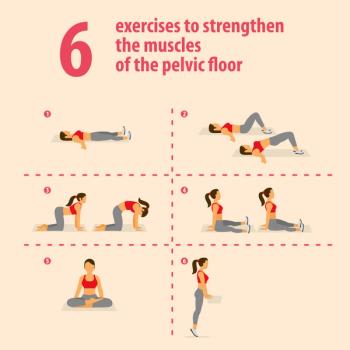
The incidence of SUI at 6 weeks post partum was 8.7% for the PEFLOW group compared to 13.9% for those receiving usual care (P = .03).

According to Amy Sarma, MD, moving beyond episodic office visits to multimodality care strategies is essential for reducing adverse cardiovascular outcomes in high-risk patients.

Scott Sullivan, MD, highlights that a third of Virginia is a maternity desert, creating even more severe gaps for patients requiring maternal-fetal medicine.

Routine ultrasound screening at 35 to 37 weeks demonstrates limited accuracy for large-for-gestational age according to new data published in AJOG.

New data from JAMA Cardiology indicates that 17.8% of women developed hypertension within 7 years of their first pregnancy, influenced by genetics, BMI, and HDP history.
In this discussion, Ramu Perni, MD, MBA, details the benefits of using a non-invasive prenatal red blood cell fetal antigen test for pregnancies affected by or at risk for HDFN.

According to Karen Yeo, PhD, the use of 100 to 200 PBPK models is moving drug administration toward a more personalized, informed decision-making process for pregnant women.

Azad and colleagues at Columbia University found that drug overdose, homicide, and suicide are the leading causes of death among pregnant and postpartum women.

Adnan Qureshi, MD, on including a stroke, neurology specialist to manage elevated risks in pregnancy
Adnan I. Qureshi, MD, advocates for the integration of neurologists into obstetric teams to manage the increased stroke risk among pregnant persons with a previous stroke.

Simon highlights the "seamless handoff" between FQHCs and OB hospitalists as a vital mechanism for maintaining delivery access in rural and underserved communities.

Get caught up with Contemporary OB/GYN! This list helps you navigate our top stories from the week, all in one place.
Adnan Qureshi, MD, highlights a "bidirectional" awareness gap for recurring stroke risk in pregnancy
Adnan I. Qureshi, MD, calls for a multidisciplinary action plan that integrates neurologists into obstetric teams to manage increased recurring stroke risk in pregnancy.

Willow Innovations launched 7 new breastfeeding and maternal care accessories to support postpartum care from feeding to storage of breast milk.
Get caught up with Contemporary OB/GYN! This list helps you navigate our top stories from the week, all in one place.

Among a survey of over 800 providers, menopause care was the top area for expected greatest improvement over the next 5 years.

Lam-Rachlin reported that the software did not add time to the examinations and, in some instances, appeared to speed up the process by providing a rapid preliminary analysis.
Adnan I. Qureshi, MD, reports that women with a history of stroke have 2-fold higher odds of recurrence during pregnancy and the 6-week postpartum period.

Sara Perelmuter advocates for routine postpartum screening and provider education on lactation-safe therapies when dealing with GSL symptoms.

Clinicians are advised to discuss reproductive risks and fertility preservation options with all cancer patients prior to initiating therapy to maximize future reproductive potential.
Sara Perelmuter details how naming Genitourinary Syndrome of Lactation (GSL) is a vital step in addressing the treatment gap in postpartum care.
Advertisement
Advertisement
Trending on Contemporary OB/GYN
1
Contemporary OB/GYN launches 'Missed & Dismissed' podcast to explore diagnostic gaps in women's health
2
Menopause proteomic scores associated with cognitive aging, dementia risk
3
FDA approves IDE for pivotal study of Evident ovarian cancer screening test
4
Q&A: Anita Nelson, MD, on etonogestrel implant's 5-year approval and REMS certification
5