




Scynexis released data from its pivotal Phase 3 CANDLE study of oral ibrexafungerp (BREXAFEMME) for the prevention of recurrent vulvovaginal candidiasis.
Scynexis released data from its pivotal Phase 3 CANDLE study of oral ibrexafungerp (BREXAFEMME) for the prevention of recurrent vulvovaginal candidiasis.

A different perspective on designing transfersomal nanocarriers of nystatin to treat vulvovaginal candidiasis (VVC) is reflected in a prospective in-vitro study in the journal Colloids and Surfaces B: Biointerfaces.

Research in the journal Cell Reports concludes that the discovery of a hormone-sensing pathway in Candida albicans, which enables the fungus to adapt to estrogen, could help explain gender biases linked to fungal infections and might provide an alternative approach to improving women's health.
Women with non-albicans Candida (NAC) vulvovaginal candidiasis (VVC) were nearly twice as likely to have multiple physician visits for recurring infections compared to women who had C. albicans (CA) VVC, according to a retrospective chart review in the Journal of Women’s Health.

An oral probiotic formula for the secondary prevention of vulvovaginal infections in pregnant women neither colonized in the vagina nor reduced the rate of repeated vulvovaginal infection, according to a study in the American Journal of Gynecology & Obstetrics.

A clinical study has confirmed that the pathophysiology of recurrent vulvovaginal candidiasis (RVVC) relies primarily on Candida albicans (C. albicans)-specific attributes like hyphal morphogenesis, biofilm formation and pathogenesis that differentiate it from other prominent non-albicans C. (NAC) species.

Among women with vulvovaginal candidiasis (VVC) or recurrent VVC (RVVC), the 3 most common signs and symptoms are itching (91.2%), burning (68.3%), and redness (58.1%), according to an online patient survey in BMC Womens Health.

Because the mechanism of action of medical-grade honey (MGH) is based on enhancing wound healing and exerting strong broad-spectrum antimicrobial activity, MGH may also help to treat recurrent vulvovaginal candidiasis (RVVC), according to a review in the Journal of Fungi.

To the investigators’ surprise, routine perinatal visits had the greatest impact on PROM in pregnant women with VVC.

Lactobacilli are the presiding members of the healthy human vaginal microbiota and are considered the first defense line from pathogen infection, including vulvovaginal candidiasis (VVC), whereas biofilm is the predominant microbial growth form in nature.
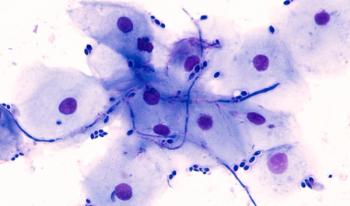
A home kit to detect urinary tract infections (UTIs) like Candida albicans from vaginal fluids on sanitary napkins and tampons could soon enter the clinical phase.

The benefits of probiotics do not necessarily transfer to the clinical setting for vulvovaginal candidiasis, according to a recent review.
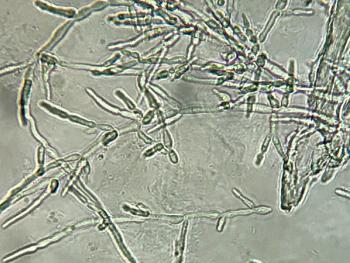
A recent study found ibrexafungerp (Brexafemme, Scynexis) was found to be a well-tolerated novel antifungal with similar efficacy to fluconazole for treating acute vulvovaginal candidiasis.

Ibrexafungerp (Brexafemme; Scynexis) therapy has cleared signs and symptoms of vaginal yeast infection in 73.9% of patients in a recent study.

In this video, Barb Dehn, NP, discusses Brexafemme, the first fungicidal medication approved for the treatment of vulvovaginal candidiasis.
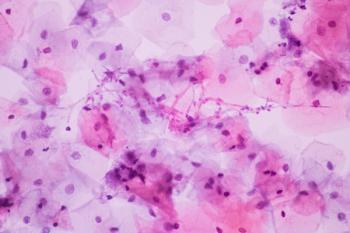
A study in the European Journal of Clinical Microbiology & Infectious Diseases has identified 2 new risk factors for vulvovaginal candidiasis (VVC)—frequency of indigestion of milk and dairy products, and changes in bowel habits.

Inappropriate treatment is widespread among women with vaginitis symptoms, according to a study conducted in a community practice setting.

Analyzing the relationship between data from patient self-reports and clinician ratings of vulvovaginal tissue health following cancer can help provide better sexual function treatment for patients, according to a recent study.

New guidelines from the Centers for Disease Control and Prevention (CDC) for the screening of sexually transmitted infections (STIs) offer new ways to ask common questions.
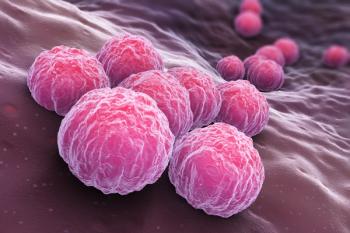
A cross-sectional study in the journal Sexually Transmitted Infections has found that Mycoplasma genitalium (MG) is just as prevalent as Chlamydia trachomatis (CT) among women seen at a sexual health center in Australia.

This acquired chronic dermatosis has a 6- to 10-fold predilection for women, so it is especially relevant to a gynecologist’s practice.

The CDC updated its guidelines for diagnosing and treating STIs, which included updates on the diagnosis and treatment of bacterial vaginosis (BV) in pregnant and nonpregnant women.
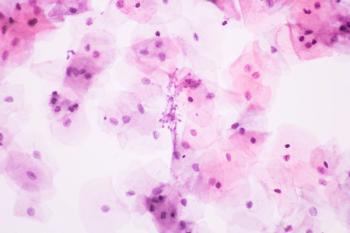
The most significant finding is to watch for symptoms of VVC in women with T2D.

A new study led by Sejal Ajmera Desai, MD, MBBS, a consultant ob/gyn at the Indian Academy of Vaginal Aesthetics in Mumbai, India, found that women who received transcutaneous temperature-controlled radiofrequency treatment (TTCRF) saw substantial improvement in stress urinary incontinence (SUI), sexual dysfunction (SD), and female genital appearance. The most significant takeaway from this study for providers, according to study supervisor George Kroumpouzos, MD, PhD, FAAD, is that TTCRF is safe and effective.

Fractional microblative CO2 laser therapy was found both effective and safe in treating vulvovaginal atrophy short term, according to a study in the journal Menopause.