






Well Woman
Latest News
Advertisement
Latest Videos







Advertisement
More News

Researchers have discovered that leptin, a hormone linked to energy metabolism, plays a crucial role in driving neuropathic pain in women but not in men, opening the door to targeted pain treatments.
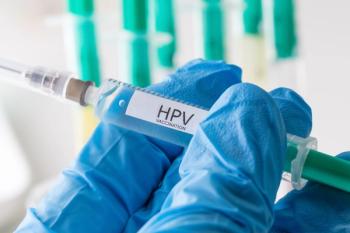
A nurse-led intervention increased HPV vaccination rates among Hispanic adolescents in a rural North Carolina clinic, according to research presented at the 2025 NAPNAP conference.

A new artificial intelligence model analyzing electrocardiograms helps identify female patients at higher risk for heart disease, offering earlier detection and more personalized treatment.

Review some of the top stories from the Contemporary OB/GYN website over the last week, and catch up on anything you may have missed.

Black women in the United Kingdom face lower breast cancer screening rates and higher mortality risks, highlighting barriers they encounter and how health care professionals can bridge the gap.
A review of studies reveals that Black women face unique cultural, emotional, and health care-related barriers to breast cancer screening, highlighting the need for targeted interventions and inclusive research.
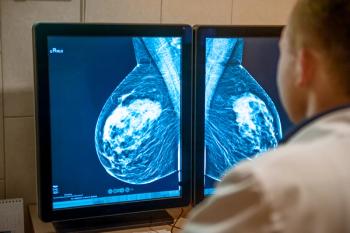
With breast cancer being the most diagnosed invasive cancer in the United States, OB-GYN practitioners play a crucial role in identifying high-risk patients and guiding them through screening, prevention, and risk-reduction strategies.

A new study suggests that propranolol, a beta blocker used for migraine prevention, is linked to a reduced risk of ischemic stroke in women with migraine.

A recent study found that a single dose of intravenous iron in the third trimester is superior to oral iron in reducing anemia rates in pregnant women, ensuring better outcomes for mother and baby.

A new study finds that brief, incidental bursts of vigorous activity significantly reduce cardiovascular event risk, especially in middle-aged women.
Review some of the top stories from the Contemporary OB/GYN website over the last week, and catch up on anything you may have missed.

A recent study introduces the COronary Risk Score in WOmen, improving the prediction of major adverse coronary events in women and addressing gender gaps in cardiovascular research.

A study found that migraine-related disability worsens health-related quality of life, with gender-specific differences, particularly affecting women with mild disability.

A meta analysis highlights how kinesiotherapy post-breast cancer surgery may significantly improve patient quality of life.
HPV vaccination in Brazil led to significant reductions in genital warts and cervical precancer hospitalizations, especially among those under 20 years of age.

Discover how cutting-edge artificial intelligence technologies are enhancing early breast cancer detection, improving accuracy, and personalizing care for better patient outcomes.

Learn about how women face unique risk factors of cardiovascular conditions compared to men, and how new screening methods such as breast arterial calcification can protect these patients.

In a recent study, non-Hispanic Black patients were less likely to receive guideline-concordant care and had greater mortality rates, highlighting the potential for improved survival by optimizing receipt of timely care.

Discover the unique cardiovascular risks women face compared to men, and learn how proactive screening and partnerships between cardiologists and ob-gyns can improve women's heart health.

Learn how early detection, patient education, and personalized risk assessments can help ob-gyns support women in reducing the impact of breast cancer.

Reunion Neuroscience is enrolling patients in its phase 2 RECONNECT trial to assess a single-dose synthetic psychedelic to treat the depressive symptoms of PPD.

In this 4-part interview, Kingsberg discusses the phase 2 RECONNECT trial assessing RE104 as the potentially first psychedelic to treat postpartum depression.

A new study shows that breast arterial calcification detected on routine mammograms could help predict cardiovascular events such as heart attacks and strokes, particularly in younger women.

Erika Hamilton, MD, discusses concerning increases in breast cancer incidence among younger women and certain ethnic groups, while highlighting new innovations in detection and targeted therapies that offer hope for improved patient outcomes.

From screening, to workup and treatment, find out how to provide the best course of action for your pregnant patients with anemia.
Advertisement
Advertisement
Trending on Contemporary OB/GYN
1
Ultrasound findings after medication management of early pregnancy loss
2
The annual well-woman visit needs an upgrade
3
Perimenopause and mental health: Beyond hormonal vs psychological
4
Low birth volume and unprofitability associated with obstetric services losses
5