






Teenaged girls at average risk don’t need Papanicolaou tests, but some special populations do.
Teenaged girls at average risk don’t need Papanicolaou tests, but some special populations do.

Counsel pregnant and breastfeeding patients about dangers from exposure to PFAS.

During a poster session of the 2022 American Urogynecologic Society and International Urogynecological Association’s 47th Annual Meeting, researchers shared a study that investigated baseline knowledge of patients with pelvic floor therapy.

The advisory, published in Circulation, is a call to action for a cultural shift to identify and remove barriers.

An analysis of data from a Cleveland Clinic database indicates calcium supplementation in older adults with aortic stenosis was linked to an increased risk of mortality and worsening aortic stenosis.

At the 2022 American College of Obstetricians and Gynecologists Annual Clinical & Scientific Meeting, 4 health care professionals spoke of disease states caused by climate change, and what HCPs can do to mitigate this crisis.

At the 2022 American College of Obstetricians and Gynecologists Annual Clinical and Scientific Meeting, 3 physicians talked about how apps, AI and remote blood pressure monitoring could improve perinatal outcomes and move the diversity, inclusion, and equity needle for women forward.

A cross-sectional study of more than 70k women suggests those with long or irregular menstrual cycles were at a 22% greater risk of NAFLD.

A survey in the American Journal of Obstetrics & Gynecology revealed that patients with chronic gynecologic pain were twice as likely to use social media to understand or manage their condition than those without pain, at 37.8% vs 19.7% respectively.

This diverse group of women came together to explore the challenges in treating mental illness in patients who identify as female.

A prospective observational screening study has concluded a cytology dual-stain (DS) biomarker effectively triages women who test positive for primary human papillomavirus (HPV) and are at higher risk of developing cervical cancer, irrespective of the HPV genotype.

Women with perimenstrual migraine attacks may also be at increased risk of medication overuse.

“If you want to provide comprehensive care, it is truly impossible as 1 person,” began Jean Uy-Kroh, MD, FACOG, director, Chronic Pelvic Pain Program at the Cleveland Clinic in Cleveland, Ohio, at AAGL’s 50th Global Congress on MIGS in Austin, Texas.

Cardiovascular disease (CVD) remains the leading cause of morbidity for women in the United States. Prior to the update in 2020, published in the Journal of the American College of Cardiology, there had been no formal guidelines from the American College of Cardiology (ACC)/American Heart Association (AHA) specifically addressing CVD in women since 2011.

Older women with a history of childhood abuse or intimate partner violence (IPV) may have been impacted by mental health issues even more than others during the COVID-19 pandemic.
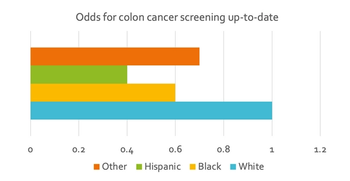
Black and Hispanic women are significantly less likely to have up-to-date colon cancer screening compared to White women.

On May 19, 2021, Governor Greg Abbott signed Texas Senate Bill 8 (also known as the Fetal Heartbeat Bill) into law with the statement that this will save lives in the state of Texas. This law is recognized as the most restrictive anti-abortion regulation in the United States today.

These tips for the ob-gyn specialist can help patients manage.

The role of the community pharmacist has greatly expanded beyond traditional product-focused services to encompass a number of sexual and reproductive health (SRH) services, according to a review in BMJ Open.

A retrospective cross-sectional study has found that Medicaid expansion has increased the rates of autologous breast reconstruction in patients undergoing mastectomy.

The management of diabetes is multifaceted, often requiring the collaboration of a multidisciplinary team of providers. While sexual side effects of diabetes are not commonly discussed during patient visits, there is a correlation between the presence of diabetes and frequent sexual dysfunction in women.

All categories of women’s preventive health services that required an in-person visit plummeted during the spring of 2020 due to the COVID-19 pandemic, in comparison to 2019, but then rebounded to near 2019 levels by July 2020.

A literature review has found that the prevalence thresholds of various screening tests used in ob/gyn health care settings are significantly higher than the estimated disease prevalence.

A team of investigators has found that women with Down Syndrome received gynecologic care at lower-than-recommended rates and at substantially lower rates than other forms of health care. The investigators have called for efforts to improve gynecologic care for this vulnerable population.

“Women show an accelerated loss of muscle mass around menopause, possibly related to the decline in estrogen,” wrote the authors.