







In a recent study presented at the 2024 Annual Meeting of The Menopause Society, 23% of patients with breast arterial calcifications on a mammogram had atherosclerotic cardiovascular disease, vs 13.9% without.
In a recent study presented at the 2024 Annual Meeting of The Menopause Society, 23% of patients with breast arterial calcifications on a mammogram had atherosclerotic cardiovascular disease, vs 13.9% without.

Wendie Berg, MD, PhD, explains new breast density reporting standards, cancer risks, and the importance of supplemental imaging for dense breast tissue.

In a recent study presented at the 2024 Annual Meeting of The Menopause Society, the prevalence of Alzheimer’s disease was significantly increased among women with prior trauma.

In a recent study, older women with type 2 diabetes had a higher bone mineral density but reduced physical function, linking the reduction in physical function to increased fracture risk in this population.

A recent study found that hormone therapy use in breast cancer patients aged 65 years and older is associated with a reduced risk of Alzheimer's and related dementias.

A recent study found that urinary incontinence does not impact cognitive performance in individuals aged under 70 years old.

A meta-analysis of over 1 million pregnant women in China reveals a 30% anemia prevalence, with significant variations across regions, urban and rural areas, and trimesters.
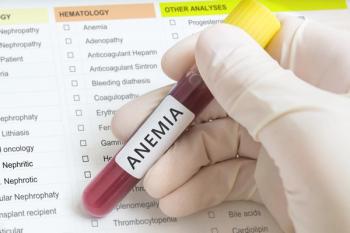
A systematic review highlights the need for more research on the efficacy of intravenous iron versus red blood cell transfusion for treating severe postpartum anemia.

Review some of the top stories from the Contemporary OB/GYN website over the last week, and catch up on anything you may have missed.

An analysis from Harvard shows there is no significantly increased newborn risk when continuing metformin to treat type 2 diabetes in pregnant women.

A recent found that postpartum depression rates do not differ among women treated with intravenous ferric carboxymaltose, intravenous ferric derisomaltose, or oral ferrous sulphate for postpartum anemia.
Review some of the top stories from the Contemporary OB/GYN website over the last week, and catch up on anything you may have missed.

A recent study found wide disparities in iron deficiency rates among women, influenced by different diagnostic definitions, regardless of race, ethnicity, pregnancy, or age.

A recent study reveals that female Medicare beneficiaries face a significant increase in mortality disparity compared to male beneficiaries, particularly at lower-quality hospitals, underscoring the need for equitable access to high-quality care.

USPSTF now advises biennial breast cancer screening from age 40 to 74 years based on an evolving evidence base.

Postpartum anemia affects 22% to 50% of women in developed countries, leading to increased morbidity and making effective detection and iron supplementation essential for improved maternal health.

Nieca Goldberg, MD, discusses important news and updates in cardiovascular health among women from the early portions of 2024.

An ACOG 2024 symposium highlighted how clinicians can work with patients at every life stage to address weight management, including the potential use of anti-obesity medications.

Investigating the impact of red blood cell transfusions on peripartum complications and anemia risk highlights the importance of prepartum anemia detection in women diagnosed with placenta accreta spectrum.

Dive into the research finding increased risks of postpartum hemorrhage and anemia among women who use higher doses of selective serotonin re-uptake inhibitors during pregnancy.

A recent study highlights the role of weight gain, ferritin levels, and nutritional education in influencing the risk of postpartum depression among pregnant women, urging for proactive measures during routine prenatal care.

A recent study by Allara Health revealed statistics linking polycystic ovary syndrome to significant workplace productivity decline, underscoring the need for comprehensive care and heightened awareness among employers and providers.

Gynecologic providers should feel more comfortable proactively addressing the sexual well-being of their patients.

Delve into the connection between nighttime vasomotor symptoms and Alzheimer's disease risk in women, shedding light on potential modifiable factors impacting cognitive health.

A recent study revealed that physical activity confers greater reductions in all-cause and cardiovascular mortality risk among women compared to men, emphasizing the importance of closing the gender gap in exercise participation.