





In a recent study, women with Parkinson’s Disease had reduced rates of physical activity.
In a recent study, women with Parkinson’s Disease had reduced rates of physical activity.

In a recent survey, 23% of women reported hair thinning as the physical issue which brought them the most discomfort.
Reproductive-aged women and girls, as well as any children they may bear, are impacted by iron deficiency and anemia, according to a recent review.
In a recent study, women with a prior history of infertility were more likely to experience sleep problems, irritability, and depressive mood in midlife.
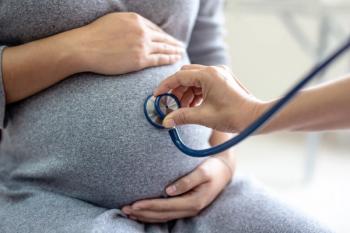
A collection of reports from March of Dimes indicated a high prevalence of maternity care desert in the United States.

In a recent study, delays in childbearing were highly prevalent among women physicians.

Because early detection of PPD is crucial and its prevalence is growing in the US, the condition poses significant risks to both maternal and neonatal health.
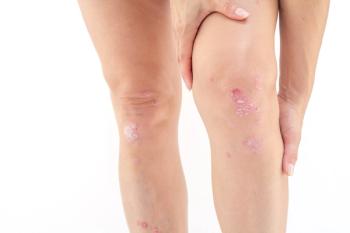
Women with psoriatic arthritis reported higher mean pain and worse mean patient global assessment when compared with men.
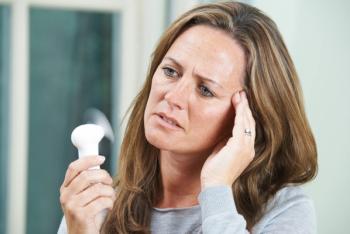
In a recent study, premature and early menopause were more common in women with a history of infertility, miscarriage, or stillbirth.

An analysis of patient data from the greater Houston area suggests women were less likely to be routed to a comprehensive stroke center than their male counterparts, despite a greater symptom severity and comparable distance to the centers.

In a recent study, patients in the preconception period did not discuss sexual dysfunction and distress with health care professionals despite high prevalence.
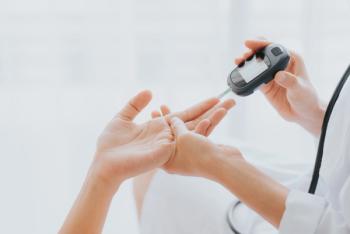
Women with type 1 diabetes experience a three times greater risk of sexual dysfunction than women without diabetes.
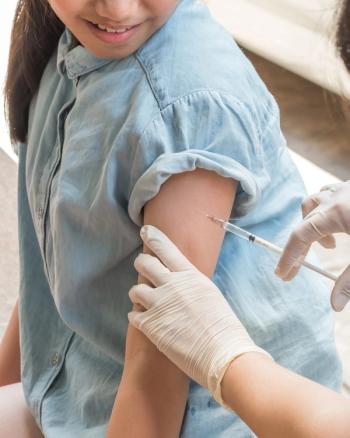
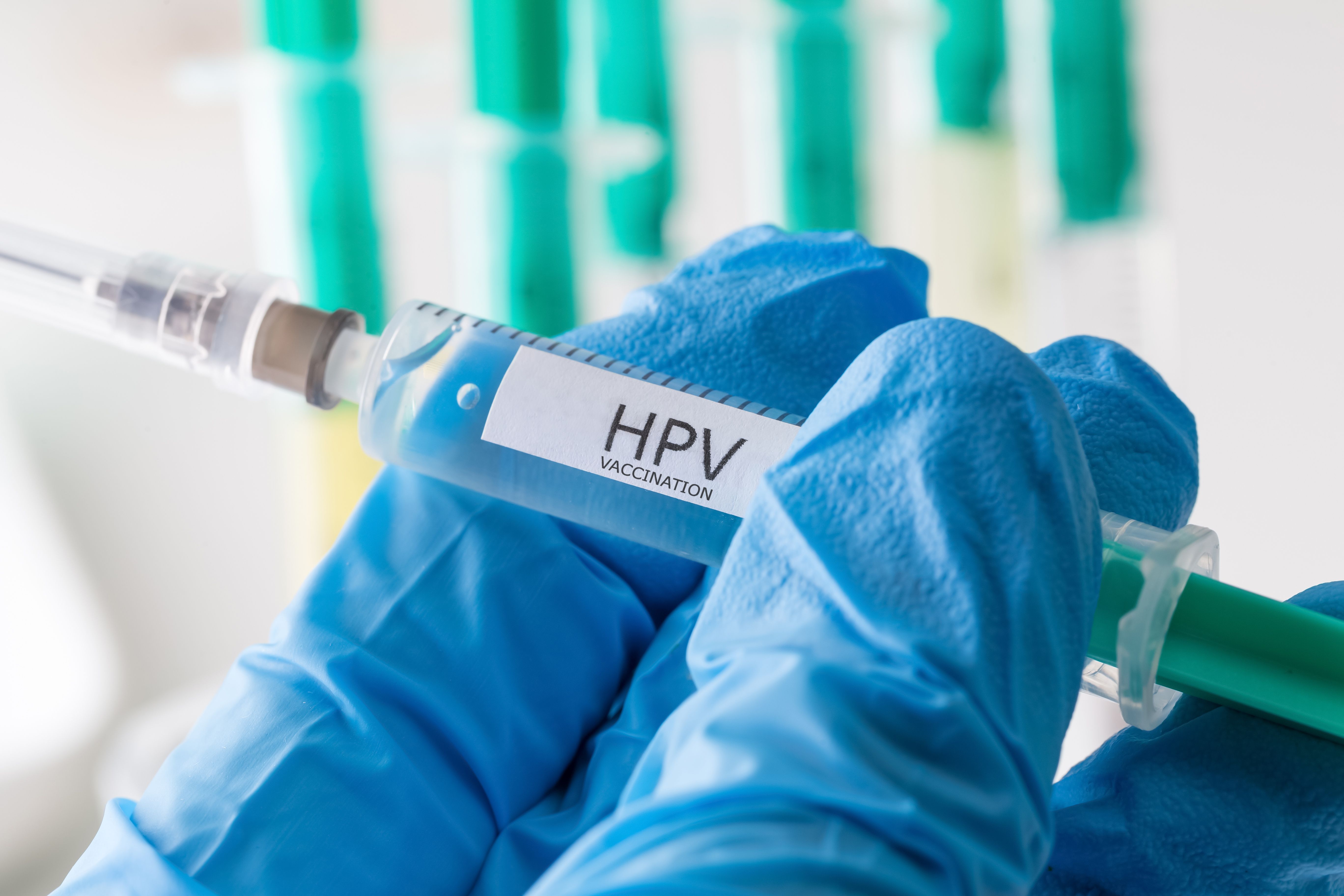
Jonathan Miller, MD, pediatrician and chief of primary care, pediatrics at Nemours Children’s Health in the Delaware Valley, spoke about the latest data regarding early human papillomavirus (HPV) vaccination in children as young as 9 years old at the 2023 Pediatric Academic Societies meeting. He also provided some clinical pearls for opening the conversation with patients’ caretakers regarding earlier HPV vaccination.

In a recent study, women diagnosed with attention deficit hyperactivity disorder were at a 24% increased risk of postpartum depression.
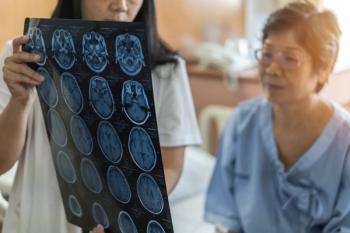
In a recent study, decreased risks of stroke after pregnancy were seen among women with pregnancy-associated stroke compared to those with non-pregnancy-associated stroke.
An ENDO 2023 analysis of data suggests women with PCOS were at a 47% greater risk of mortality relative to their counterparts without the common endocrine disorder.
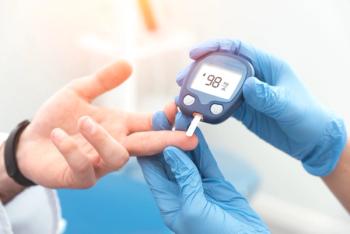
A recent study associated increased risk of diabetes incidence after pregnancy in individuals who developed gestational diabetes during pregnancy.
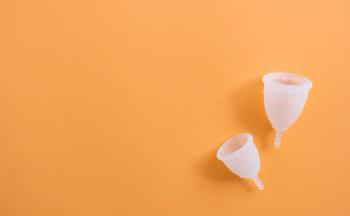
Menstrual cups have been associated with improved financial and environmental impacts, along with being safe and effective for use in patients.

Patients in the land- and water-based exercise intervention groups demonstrated greater improvements in fatigue when compared with controls.

In a recent study, cardiovascular disease events were seen more often in women with irregular or long or short menstrual cycles.

At the 2023 ACOG Annual Clinical & Scientific Meeting, a study on whether telemedicine contributes to patient adherence and satisfaction for gynecologic visits.

Anne Banfield, MD, discusses the highlights from her presentation on primary HPV screening at the 2023 ACOG Annual Clinical and Scientific Meeting in Baltimore, Maryland.

In a recent study, midlife patients with improved physical component scores saw reductions in back pain, stiffness, forgetfulness, and other factors associated with health and function.

Jonathan Miller, MD, pediatrician and chief of primary care, pediatrics, at Nemours Children's Health in the Delaware Valley, spoke about the latest data regarding early HPV vaccination in children as young as 9 at the 2023 Pediatric Academic Societies meeting.

Millicent McCarren, MD, of Allegheny Health Network, sits down with Contemporary OB/GYN® to discuss tips, tricks, and clinical pearls for making sure your adolescent patients are coming in for their routine well woman visits.