

A new study presented at the 2025 ACOG Annual Clinical & Scientific Meeting found that while recurrent uterine rupture is rare, patients with a history of rupture face a significantly increased subsequent risk of preterm delivery.
A new study presented at the 2025 ACOG Annual Clinical & Scientific Meeting found that while recurrent uterine rupture is rare, patients with a history of rupture face a significantly increased subsequent risk of preterm delivery.

A recent study presented at the 2025 ACOG Annual Clinical and Scientific Meeting found that most TikTok videos on hormonal contraception was misleading.

A new study presented at the 2025 ACOG Annual Clinical & Scientific Meeting reveals that a self-screening survey with educational videos enables most patients to determine medication abortion eligibility without an ultrasound.

A new study presented at 2025 ACOG Annual Clinical and Scientific Meeting found disparities between RSV uptake in pregnant patients.


Postpartum depression often goes undiagnosed because of a lack of screening and stigma—learn how early detection, open conversations, and new treatment options can improve outcomes for mothers.

In this Q&A, experts explain how ACOG’s tailored prenatal care model supports flexibility, equity, and shared decision-making in pregnancy.

Azithromycin and doxycycline carry a greater risk of vulvovaginal candidiasis compared to other acne treatments, researchers report at ACOG ACSM 2025.

A meta-analysis presented at 2025 ACOG Annual Clinical & Scientific Meeting found that elinzanetant demonstrated a reduction in VMS frequency and intensity.

Shared decision making and individualized strategies are emphasized in the new ACOG consensus.

A new study presented at the 2025 ACOG Annual Clinical & Scientific Meeting reveals that physiotherapy support during labor lowers the chances of cesarean delivery, severe perineal tears, and labor pain.

New research presented at the 2025 ACOG Annual Clinical & Scientific Meeting reveals that mandatory in-person consent and waiting periods in Ohio create significant delays and barriers to abortion access.

A quick look into some of the top sessions occurring at the 2025 ACOG Annual Clinical and Scientific Meeting, being held from May 16-18, 2025, in Minneapolis, Minnesota.

Check out the top conferences happening in the second quarter of 2025.

New research highlights the link between postpartum posttraumatic stress disorder and sexual dysfunction, emphasizing the need for early screening and trauma-informed care.

Sexual inactivity worsens SSRI side effects in women, but gepirone-ER shows fewer impacts.

Research suggests that hormone replacement therapy, especially with testosterone, may help alleviate mood symptoms in menopausal women and reduce the need for antidepressants.

A new study presented at ISSWSH highlights patient dissatisfaction with current treatments for recurrent bacterial vaginosis, emphasizing the need for more effective therapies and improved provider communication.
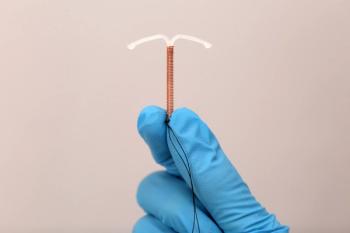
While pain is a common deterrent for patients considering an IUD, there are no standardized guidelines for pain relief during insertion or removal.

A recent study presented at the ISSWSH 2025 Annual Meeting found no significant association between hormonal contraceptive use and the severity of clitoral adhesions, though researchers emphasize the need for further investigation.

Discover how Mirvie’s RNA platform uses a simple blood test to detect fetal growth restriction early in pregnancy, allowing for proactive interventions and improved outcomes for mothers and babies.

Nicola F. Tavella, MPH, dives into his team's research on postpartum depression and unplanned cesarean delivery, which was presented at SMFM's 2025 Pregnancy Meeting.

Timely diagnosis of gestational diabetes is crucial for optimal maternal and fetal health, but a recent study highlights demographic disparities in screening delays and the need for further research on potential health impacts.

A new study links first-trimester hemorrhage and anemia to a higher placenta accreta spectrum risk, emphasizing early screening and non-traditional risk factors.

AI-assisted software improves clinicians' detection of congenital heart defects in prenatal ultrasounds, enhancing accuracy, confidence, and speed, according to a study presented at SMFM's Annual Pregnancy Meeting.

Daniel L. Kuhr, MD, maternal fetal medicine fellow at Mount Sinai, discusses the role of neighborhood-level indices in predicting spontaneous preterm birth risk and why individual patient characteristics remain the key factor.

A new randomized control trial reveals that barbed sutures significantly reduce blood loss during hysterotomy, offering valuable insights for improving clinical outcomes in obstetric surgery.

A new study presented at the SMFM 2025 Pregnancy Meeting found that homicide and suicide are the leading causes of maternal death in the United States.

A new study explores the potential link between antiretroviral therapy, specifically integrase inhibitors, and fetal biometric measurements, shedding light on possible pregnancy complications.

Artificial intelligence-powered ultrasound analysis is enhancing the early detection of congenital heart defects, improving diagnostic accuracy, physician confidence, and neonatal outcomes.