
At ACOG 2026, we spoke with Akiva Novetsky, MD, MS, and Kimberly Gecsi, MD, about recent updates to cervical cancer screening guidelines.
At ACOG 2026, we spoke with Akiva Novetsky, MD, MS, and Kimberly Gecsi, MD, about recent updates to cervical cancer screening guidelines.
According to Erick Holder, MD, AI tools can help combat medical misinformation by directing patients toward scientific research and board-certified specialists.

Take a look back at our coverage (so far) of the 2026 ACOG meeting in Washington, DC
At ACOG, Julie Anderson presented data demonstrating that virtual birth planning is associated with a nearly 4-fold increase in shared decision-making for high-risk patients.
Meaningful improvements in gynecologic care for LGBTQ patients require both environmental changes—inclusive waiting rooms, trained front desk staff, flexible scheduling—and clinical recalibration, including routine screening for contraceptive needs and menopausal symptoms regardless of gender identity or presentation.

Pelin Batur, MD, emphasizes that half of patients are unsatisfied with their sexual health and clinicians should normalize these concerns through simple, open-ended questions.
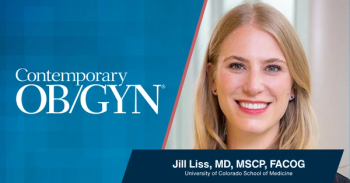
Jill Liss, MD, MSCP, FACOG, outlines aspects of hormonal and non-hormonal treatments for vasomotor symptoms.

During clinical validation done by the company, Unity Confirm demonstrated 100% concordance with known fetal outcomes and invasive diagnostic results in 16 samples.
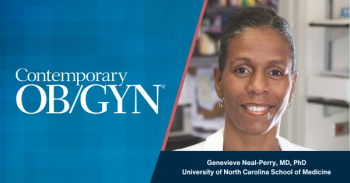
In this discussion from ACOG's 75th Annual Meeting, Genevieve Neal-Perry, MD, PhD, explains how elinzanetant has impacted patients since it's approval in October 2025.
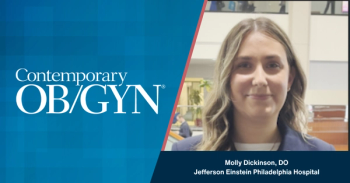
Molly Dickinson, DO, describes a rare case where a 22-week uterine rupture was repaired allowing the pregnancy to continue to a successful 32-week delivery.

A study of 1206 women found that while many remain sexually active as they age, a higher number of menopausal symptoms was linked to decreased sexual satisfaction.

Contemporary OB/GYN will be on site in Washington, D.C. to cover the latest data out of the 75th Annual ACOG Clinical & Scientific Meeting.
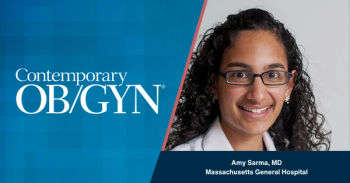
In this video from the 2026 American College of Cardiology Annual Scientific Session & Expo, Amy Sarma, MD, details associations of cardiovascular disease and menopause.

From FDA regulatory updates for products related to women's health, to a preview of upcoming annual meetings and conferences, we keep you updated on what's to come in Q2 of 2026.

Lam-Rachlin reported that the software did not add time to the examinations and, in some instances, appeared to speed up the process by providing a rapid preliminary analysis.
Sara Perelmuter advocates for routine postpartum screening and provider education on lactation-safe therapies when dealing with GSL symptoms.
Sara Perelmuter details how naming Genitourinary Syndrome of Lactation (GSL) is a vital step in addressing the treatment gap in postpartum care.

Julia Ordway highlights a case where unregulated testosterone pellets led to a 2-year recovery period.

Sasha Vereecken explains the potential quality of life and sexual worry benefits of investigational ACT for stress urinary incontinence, as well as who may be best suited for the implant.
A large-scale TriNetX database analysis found no statistically significant difference in the incidence of vulvar atrophy or hypertrophy between non-diabetic women using GLP-1RAs and those who were not.
An institution-wide policy allowing elective induction at 39 weeks was linked to lower cesarean delivery and NICU admission rates.
Speaking at the SMFM 2026 Pregnancy Meeting, Molina emphasized that HIPAA protections, clear policies, and staff training are central to equitable ob-gyn care for immigrant patients.
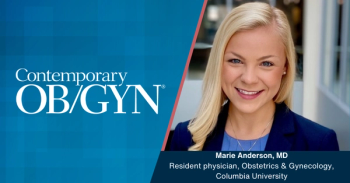
In this Q&A interview, Marie Anderson, MD, of Columbia University, highlights a study presented at SMFM 2026 linking abortion restriction and increased rates of maternal death in the United States.
Speaking at SMFM 2026, Rose Molina, MD, MPH, FACOG, urged ob-gyns to adopt immigration-informed care to protect access, safety, and trust for immigrant patients.
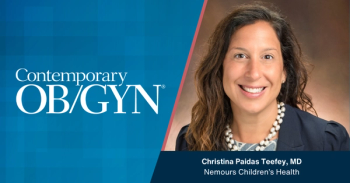
Christina Paidas Teefey, MD, says advances in early prenatal diagnosis are accelerating fetal center referrals and underscoring the need for multidisciplinary and psychosocial support.

The Society for Maternal-Fetal Medicine has released updated checklists to guide evidence-based management of monochorionic twin pregnancies and reduce preventable complications.
A look into what to expect at the 2026 Society for Maternal-Fetal Medicine 2026 Pregnancy Meeting from Las Vegas, Nevada, with Christina Paidas Teefey, MD, a maternal fetal medicine specialist.
Check the top women's health conferences of 2025.

A protein-based, liquid biopsy screening test demonstrated greater than 90% sensitivity and specificity for early breast cancer detection.
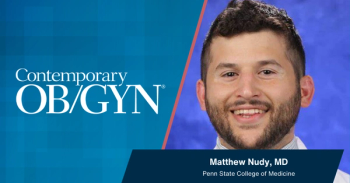
Breast arterial calcification on mammography is associated with higher cardiovascular risk and mortality, suggesting the need for risk assessment.