

The Menopause Society’s 2025 meeting heads to Orlando with sessions on longevity, hormones, cognition, and care innovation at midlife and beyond.
The Menopause Society’s 2025 meeting heads to Orlando with sessions on longevity, hormones, cognition, and care innovation at midlife and beyond.

Check out the top conferences happening in the fourth quarter of 2025.

New research reveals that women face worse heart attack outcomes than men, particularly when treated with beta-blockers, highlighting the need for sex-specific care.

New 14-gene test allows early, precise assessment without partner samples.

A universal aspirin initiative at a Bronx hospital increased prescribing rates from 30% to 99% and is now being evaluated for its impact on preeclampsia.
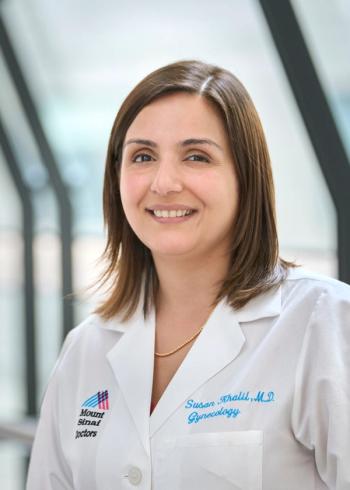
Considerations for reducing blood loss, morbidity, and surgical complexity in patients with large fibroids.

Find out what you may have missed at the 2025 ACOG ACSM.

Watch some highlights from our discussions with experts presenting at the 2025 ACOG meeting.

A structured surgical approach, imaging tools, and careful platform choice support optimal endometriosis management, according to Trina Mansour, MD, at the 2025 ACOG ACSM.

Tia Welsh, MD, MPH, FACOG, shares new evidence showing that single-use negative pressure wound therapy at -80 mmHg lowers cesarean-section infection rates and healthcare costs more effectively than traditional -125 mmHg therapy.

Amy Valent, DO, MCR, discusses how continuous glucose monitors and smart insulin delivery tools are reshaping individualized care for pregnant patients with diabetes.
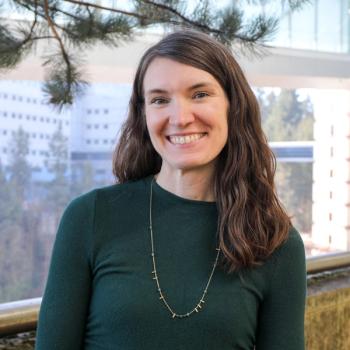
Lisa Bayer, MD, MPH, details her presentation at the 2025 ACOG ACSM pain management during IUD placement.

Megan Wasson, DO, discusses surgical precision, imaging, and mentorship to improve endometriosis care at the 2025 ACOG Annual Meeting.

Research presented at the 2025 ACOG ACSM highlighted the potential risks tied to personal care product use among African American pregnant patients.

In an abstract featured at the 2025 ACOG ACSM, researchers found that after Dobbs, North Carolina saw more out-of-state abortion patients, longer wait times, and increased racial disparities.

A comparison of 4 ultrasound-based algorithms demonstrated strong performance, with nuanced implications for clinical practice, according to a new study presented at the 2025 ACOG ACSM.

Megan Cohen, MD, MPH, outlines major changes to the CDC’s 2024 contraceptive recommendations, including updated safety classifications, inclusive language, and new guidance for transgender and medically complex patients.
Megan Wasson, DO, and Ceylan Colak, MD, highlight how imaging and multidisciplinary care improve endometriosis diagnosis, treatment, and patient outcomes at the 2025 ACOG ACSM.

In this interview at the 2025 ACOG ACSM, Johanna Finkle, MD, urged clinicians to tailor weight loss care based on BMI, contraception use, and medication risks using patient-centered counseling.

Erin Keyser, MD, FACOG, breaks down the latest approaches to hormone therapy for menopause, emphasizing personalized care and shared decision-making.

A study presented at the 2025 ACOG Annual Clinical & Scientific Meeting found women who experience intimate partner violence are more likely to have short interpregnancy intervals and mental health disorders.

A study presented at the 2025 ACOG Annual Clinical & Scientific Meeting found that fine particulate matter exposure during pregnancy is associated with increased odds of spontaneous preterm birth.
Tia Welsh, MD, MPH, FACOG, highlights how primary HPV screening, self-collection, and extended genotyping are transforming cervical cancer detection and improving access for underserved populations.

Elizabeth Evans, MD, and Deslyn Hobson, MD, highlight how non-estrogen therapies such as ospemifene can effectively manage symptoms

Despite widespread awareness of guidelines, many health care providers fall short in consistently screening and referring postpartum women for depression, putting maternal mental health at risk.

Jill Liss, MD, shares details on her presentation on the physiology of menopause care and how clinicians can use evidence to improve patient care at the 2025 ACOG ACSM.
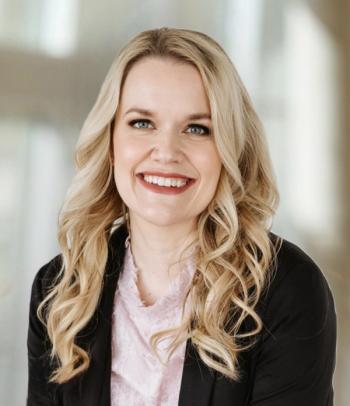
Elizabeth Mollard, PhD, WHNP, CNM, shares her research, presented at the 2025 ACOG ACSM, on Medicaid postpartum depression (PPD) screening and coverage policies on PPD diagnosis.

Victoria Wang, MD, discusses updated ASCCP recommendations for post-treatment monitoring of high-grade dysplasia and the importance of identifying high-risk patients early.
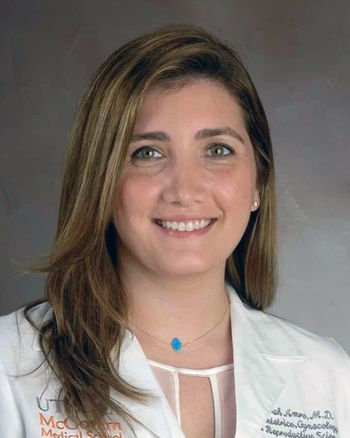
Farah Amro, MD, shares her research at the 2025 ACOG ACSM on leaving the placenta in situ in select patients with placenta accreta spectrum.

Laurence Shields, MD, shares details from his latest study on hemorrhage control devices for postpartum hemorrhage at the 2025 ACOG ACSM.