

What to look for this week on Contemporary OB/GYN
What to look for this week on Contemporary OB/GYN

Technology Spotlight
Three esteemed surgeons discuss technology, weighing the pros and cons of existing and newly developed platforms.

Technology Spotlight
The actual pursuit of the idea is what is important, and this pursuit is complex, time consuming and expensive.

This issue is dedicated to exploring technologies that can improve your patients’ lives and your practice.

Peer-reviewed
Although major complications are rare, laparoscopic abdominal entry is the most dangerous part of any laparoscopic procedure.

“Improved vision, laparoscopy and endoscopic surgery were made possible by an image revolution,” said Michel Canis, MD, PhD, an ob/gyn from Clermont-Ferrand, France, who chaired the panel.

It was a very busy week for the Contemporary OB/GYN team.

New research suggests that, despite COVID-19 lockdown restrictions, diagnoses of sexually transmitted infections (STIs), including gonorrhea, secondary syphilis and mycoplasma genitalium have increased.

New research has found that undiagnosed sleep disorders are common among hospital faculty and staff and are associated with a higher risk of burnout and reduced professional fulfillment.
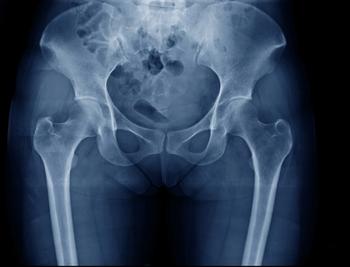
“Operating on a frozen pelvis is probably the most difficult situation a gynecologist can face within his surgical activities,” said moderator Mario Malzoni, chief of the Endoscopica Malzoni Center for Advanced Pelvic Surgery at the National Center for Endometriosis, in Avellino, Italy.

Which types of content do you visit us for? We want to know.

Peer-reviewed
These therapeutic medical devices can be used by patients to effectively treat pelvic pain and anxiety related to intercourse.
Dr. Krychman is a gynecologist who specializes in sexual health and survivorship medicine. He is executive director of the Southern California Center for Sexual Health and Survivorship Medicine Inc. in Newport Beach, Calif.
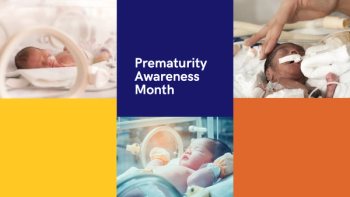
November is Prematurity Awareness Month. Here are a few quick facts.

A summary of key findings from the National Center for Health Statistics (NCHS) recent data brief, No.388, October 2020.

Your opinion matters.

On Friday, Oct. 30, Elizabeth A. Howell, MD, MPP, led a presentation on the intertwined racial and ethnic disparities in maternal and infant health that exist for women and babies of color.
What to look for this week on Contemporary OB/GYN
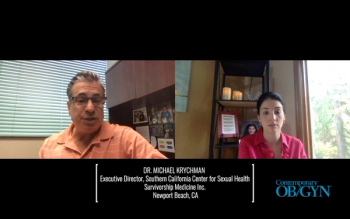
Dr. Krychman is a gynecologist who specializes in sexual health and survivorship medicine. He is executive director of the Southern California Center for Sexual Health and Survivorship Medicine Inc. in Newport Beach, Calif.

As experts evaluate emerging evidence and the pattern of information that comes about, there is a consistent theme that pregnant women are more severely affected by COVID-19.

The devastating loss of 30-year-old Chaniece B. Wallace, MD, highlights the glaring racial disparities in maternal mortality and morbidity in the U.S.
It was a very busy week for the Contemporary OB/GYN team.

“Telehealth visits serve to ensure patient-centered, shared decision-making counseling, as well as allowing the provider to confirm that the patients are good candidates with no contraindications for their method of choice,” Eve Espey, MD, MPH, said.

Principal investigator Johanna Quist-Nelson, MD, was inspired to complete the study during her training after observing how difficult it was for patients who experienced wound infections after cesarean.
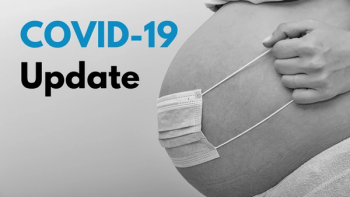
Data on COVID-19 during pregnancy, as reported by the CDC, in collaboration with state, local, and territorial health departments and external partners.

New research suggests that postpartum depression may persist for 3 years following birth.

A new study investigated whether breastfeeding could reduce infection and infection symptoms within the first 3 years of life.
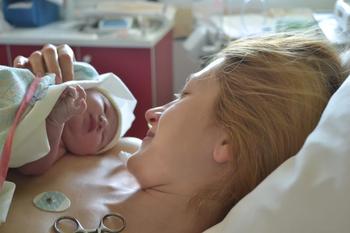
Is 39 the new 41 when it comes to weeks of gestation for induction of labor?
Let us know: Send us a message on Facebook, Twitter, or send an email to our editorial staff.

The American College of Obstetricians and Gynecologists’ (ACOG) 2020 Virtual Conference starts this Friday, Oct. 30, with presentations by preeminent experts in ob/gyn.