
Data is updated weekly based on data collected by the Centers for Disease Control and Prevention (CDC). Here's the latest:
Data is updated weekly based on data collected by the Centers for Disease Control and Prevention (CDC). Here's the latest:

Women with H. pylori infection were more likely to be older and have a higher body mass index (BMI) than those without H. pylori infection.

As detailed in the September issue, the Society for Maternal-Fetal Medicine (SMFM) is highlighting one of these situations: the role of activity restriction in obstetric management.
Little evidence supports the routine use of activity restriction for preterm birth and other obstetric conditions, and some data indicate adverse impact on obstetric outcomes.

Pregnant patients learning to navigate the world of genetic health now have access to an app that helps to explain chromosomes, conditions that prenatal screening can identify, and available testing options such as non-invasive prenatal testing (NIPT).

The authors reviewed studies with primary outcomes that were factors associated with unsuccessful pessary fitting and discontinuation in women with POP and 21 for final analysis.

Sponsored Content
Published as a promotional supplement to Contemporary OB/GYN.

With this issue we welcome three members to the distinguished editorial advisory board that has guided Contemporary OB/GYN since its inception.
Here’s the latest data, updated on September 3.

According a press release and a recent article from Drug Topics, AstraZeneca’s investigational vaccine candidate AZD12222 expanded into a phase 3 clinical trial.

This fall, the National Association of Chain Drug Stores (NACDS) will launch a national awareness campaign for flu vaccinations.

A new survey finds underinsurance to be a continuous barrier to health care.
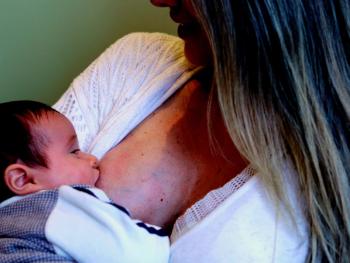
An updated clinical report from the American Academy of Pediatrics (AAP) investigated whether breastfeeding could prevent certain allergies.
A new study in The Lancet: Child and Adolescent Health investigated the use of a machine-learning algorithm for neonatal seizure recognition.

Although everyone is eager to return to normal, it is important that it is done safely.

Senior Editor Angie DeRosa interviews Aleha Aziz, MD, an ob/gyn at Columbia University’s Irving Medical Center in New York. Dr. Aziz was one of many fellows involved with caring for patients during the peak of the COVID-19 pandemic in New York City earlier this year.

Contemporary OB/GYN is pleased to announce the addition of new members to its distinguished editorial board.
“We came together in a way that would’ve been unimaginable prior to the pandemic,” Dr. Aziz says.

Senior Editor Angie DeRosa sat down Drs. Bekkar, DeNicola, Pandipati and Abel to discuss findings from a recent study on the association with air pollution and heat exposure with adverse obstetrical outcomes, such as preterm birth and stillbirth.

A new study, published in JAMA Network Open, investigated the efficacy of the Healthy Choices intervention when delivered in HIV clinics and remotely.

Self-catheterization for over 1 month occurred in 13.6% of surgical cases, mainly after segmental colorectal resection.

Considerable heterogeneity exists in reported outcomes and measures used in clinical trials of treatments for genitourinary syndrome of menopause (GSM), which impacts between 40% and 60% of postmenopausal women, according to a systematic review in the journal Menopause.
Data on COVID-19 during pregnancy, as reported by the CDC, in collaboration with state, local, and territorial health departments and external partners.

A new study finds that dairy products do not prevent age-related bone loss or fractures in menopausal women.

This case involves an eight-year-old patient who originally presented with a chief complaint of right-sided abdominal pain and one episode of vomiting.

A new technique for repair of pelvic organ prolapse (POP) appears to be associated with good short-term outcomes, based on results of a new pilot study.
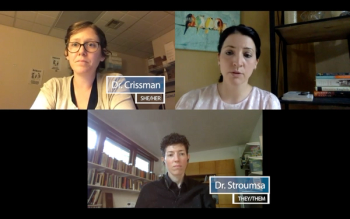
Halley Crissman, MD, MPH, shares her insight on the ways in which hospital systems reinforce cisnormativity and focal points to address for a more welcoming environment.

Vanessa L. Rogers, MD, shares her expert insight into ways practitioners can address health care disparities in their area and provide patients with better care.
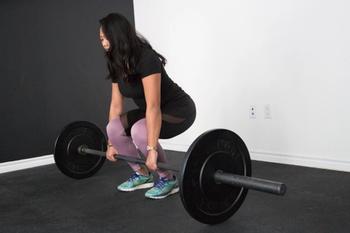
A new study examined how adolescent physical activity can impact hip strength and potentially reduce the risk of osteoporosis later in life.

The authors call for future research to determine whether these findings extend to other populations and health care settings.