

All News
Advertisement
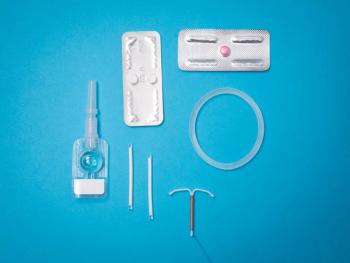
Behavioral methods of contraception are used by less than 3.2% of sexually active women; careful counseling could change that.
Advertisement

Would you be able to recognize this diagnosis in your practice?

A new study, published in JAMA Pediatrics, found that high-dose vitamin D supplementation during pregnancy significantly improved bone health in children.
This is a transcript from our second installment of interviews with obstetricians and gynecologists who specialize in infectious diseases during the COVID-19 pandemic.

In a recent interview with Andrew J. Schuman, Contemporary Pediatrics sat down with their Editorial Advisory Board member to gain his perspective on telehealth and the ways in which it’s shaping his practice.
Advertisement

This four-part video interview series explores COVID-19 in pregnancy-including the ways in which it is affecting life and changing the world of obstetrics and gynecology as we know it-and shares things our experts are seeing on the front lines.
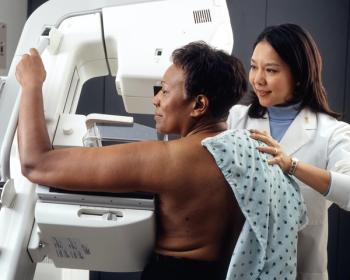
The results show that participating in screening mammography is essential for reducing the number of deaths from breast cancer and can ultimately save lives through early detection.

Physical training can preserve and even significantly bolster the bone mass of the hip and femoral neck in individuals under caloric restriction, according to a systematic review and meta-analysis of 13 randomized clinical trials.

Nearly half of women of child-bearing age with cystic fibrosis use estrogen-containing oral contraceptive pills, followed by condoms and long-acting reversible contraceptive methods, according to a pilot study in the journal Contraception.
Advertisement

A retrospective cohort analysis evaluating potential associations between endometriosis and pelvic inflammatory disease (PID) confirms a significantly higher prevalence of PID in endometriosis patients.

A recent study examined the contraception preferences of women with cystic fibrosis and also revealed startling data about the unintended pregnancy rate in this patient population.
Women’s postpartum contraceptive decisions are influenced by both their personal goals and provider counseling, according to a recent survey.

Early-life predictors are crucial for continued development of effective preventive strategies for T2DM.

The North American Menopause Society (NAMS) will hold its 31st Annual Meeting at the Gaylord Rockies Hotel in Denver from Sept. 30 to Oct. 3, 2020.

These results underscore the importance of clarifying pregnancy goals and providing counseling on contraception, according to researchers.

To provide ob/gyns with the latest information, news updates and more, we have compiled a list of the Society for Maternal-Fetal Medicine’s (SMFM) most recent COVID-related resources.
There are changes to the placenta, including evidence of maternal vascular malperfusion (MVM).


“Black Maternal Health Momnibus Act of 2020” is led by Senator Kamala D. Harris (D-CA) and Representatives Lauren Underwood (IL-14) and Alma Adams (NC-12).

Editor-in-Chief Catherine Y. Spong, MD, gives her perspective on what ob/gyns can learn from the pandemic as the specialty is business as usual in an otherwise stark hospital.


The American College of Obstetricians and Gynecologists (ACOG) has sent another letter to the Department of Health and Human Services (HHS) as of May 15 requesting relief funding for ob/gyns.

Navigating patient care in L&D during the global COVID-19 pandemic gives one resident cause for pause and reflection. How would it manifest in pregnancy?

The outcome in this case underscores the importance of excellent legal representation and scrupulous expert witness selection.
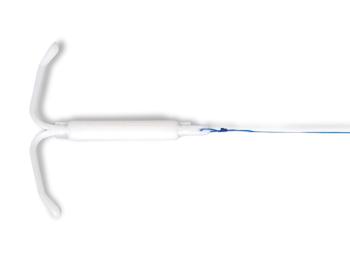
Liletta is under study in a prospective phase 3 clinical trial aimed at extending the approved duration of this levonorgestrel 52-mg IUS.

In this piece, read ACOG’s Committee Opinion #785 on Screening and Management of Bleeding Disorders in Adolescents with Heavy Menstrual Bleeding, with expert commentary from Contemporary OB/GYN Board Member Dr. Paula J. Hillard.

The timing of postmenopausal hormone therapy (HT) significantly impacts coronary risk and overall benefit-to-risk profile, according to an overview of Women’s Health Initiative (WHI) results in the journal Menopause.
An evaluation of evidence has concluded that the two most statistically significant unfavorable obstetric outcomes in women with endometriosis are placenta previa and preterm birth (PTB).

In this video interview, Senior Editor Angie DeRosa talks with Dr. Kristina Adams-Waldorf, Professor in the Department of Obstetrics and Gynecology and Adjunct Professor in Global Health at the University of Washington (UW) School of Medicine in Seattle.
Advertisement
Advertisement
Trending on Contemporary OB/GYN
1
Certolizumab pegol receives FDA BTD for adverse pregnancy outcomes in APS
2
Amber Watters, MD, on anesthesia in external cephalic version for breech presentation
3
PMOS Awareness Month: Watch our expert panel discussion on PMOS
4
Kevin Ault, MD, on the clinician's role in maternal COVID-19 vaccine counseling
5