

As the impact of the coronavirus (COVID-19) pandemic continues to escalate, the Society for Maternal-Fetal Medicine (SMFM) has released guidance on the maternal, fetal and neonatal implications of the disease.
As the impact of the coronavirus (COVID-19) pandemic continues to escalate, the Society for Maternal-Fetal Medicine (SMFM) has released guidance on the maternal, fetal and neonatal implications of the disease.
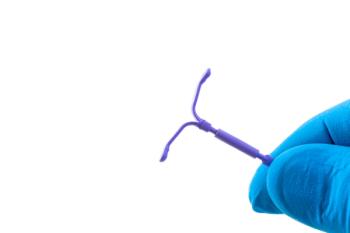
Obese women who used the levonorgestrel intrauterine system (LNG-IUS) were nearly three times as likely to achieve a complete response to progestin treatment, and saw a significant reduction in risk of progression to cancer, according to new research.

Online communication provides an empowering environment for the exchange of accurate and useful contraceptive information, when based on real user experiences, according a recent study from Contraception.

Physicians should meet with their attorneys to prepare for any testimony, especially in cases with documentation discrepancies and unreliable physician-nurse communication.
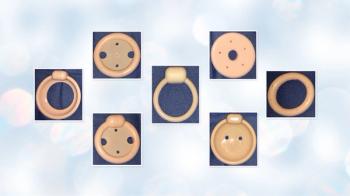
As patients increasingly present with organ prolapse or incontinence, they may require a safe, effective, and non-surgical treatment option.
The Centers for Disease Control and Prevention (CDC) has posted a FAQ on coronavirus in pregnancy and interim guidance on breastfeeding in women who have or are suspected to have COVID-19.
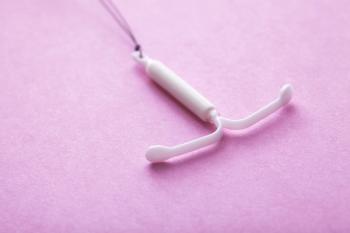
Both the etonogestrel (ENG)-releasing subdermal implant and a levonorgestrel-releasing intrauterine system (LNG-IUS) significantly reduce pain in women with endometriosis, according to new research.
According to a recent study from Sexual Medicine, infertility concerns for women with endometriosis are dependent on their type of dyspareunia.
New research from Springer Nature indicates that late prenatal alcohol exposure prevalence is much higher than previous studies had shown for babies from West Virginia.
Six single nucleotide polymorphisms (SNPS) may be strongly associated with endometrial cancer risk, according to a new analysis of the latest evidence on genetics of the disease.

New findings from the Journal of the American Heart Association indicate that domestic abuse (DA) against women can increase mortality from all causes by 40% when compared to rates in the general population.
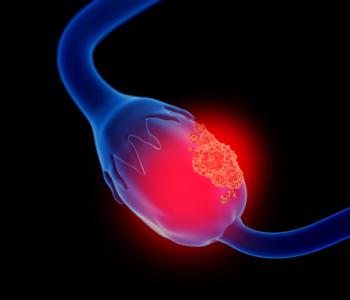
Results of new research led by Australian investigators suggest that interleukin-6 (IL-6) may have a role in diagnosis of ovarian cancer-but not on its own.

Women who have poor sleep quality are also eating more food and have lower-quality diets – all of which are factors that increase cardiovascular disease (CVD) risk.

When long-acting reversible contraception (LARC) was offered to teenage mothers prior to hospital discharge, it drastically reduced the rate of rapid repeat pregnancy, according to a study of adolescents in Indiana.
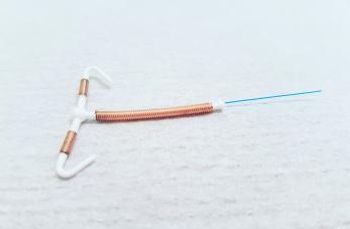
Findings from a study in The European Journal of Contraception & Reproductive Health indicate a variation in virulence among Candida species in reaction to IUD use.
Patients with low Endometriosis Fertility Index (EFI) scores may not have a strong chance of a pregnancy achieved without use of assisted reproductive technology (ART), according to a meta-analysis from BJOG.

An associated ileocecal endometriosis (ICE) location is a marker of severity in 25% cases of women undergoing complete resection for low rectal endometriosis (LRE), according to a retrospective cohort study in BJOG.

Changes in obstetric practice over the past 20 years may have led to declining birth weights, according to new research from Demography.

Six medical societies have formed a new organization to enhance communication about genetics and pregnancy.

An analysis of data from SWAN underscores the importance of monitoring women going through menopause for cardiovascular disease (CVD) risk factors.
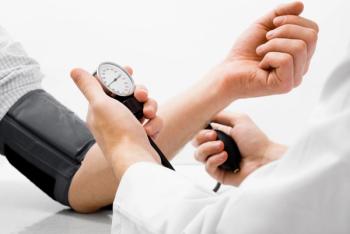
This installment of our Complex Contraceptives series examines contraception considerations for patients with high-blood pressure.

Computer-assisted motivational interviewing may not be effective for convincing released female inmates to use contraception, according to new research from Contraception.
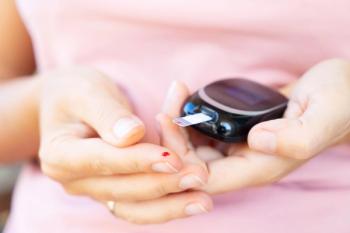
Women with pregestational diabetes mellitus (DM) who recognize benefits in contraception and preconception care are much more likely to use contraception postpartum, according to a survey in the Journal of Obstetrics, Gynecologic & Neonatal Nursing.
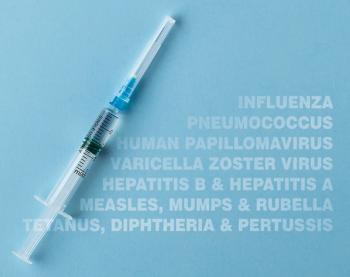
When clinicians are knowledgeable about the benefits of vaccinations, vaccination rates among patients increase.

These four patient cases can help improve your decision-making about the best hormonal regimen for this population.

A regimen of an Elaeagnus angustifolia flower capsule or a sildenafil citrate tablet both significantly reduced the frequency of HSDD, according to a recently published study.

A new study in The Journal of Sexual Medicine confirms last year’s revised labeling of the FDA-approved flibanserin for treating HSDD in premenopausal women.
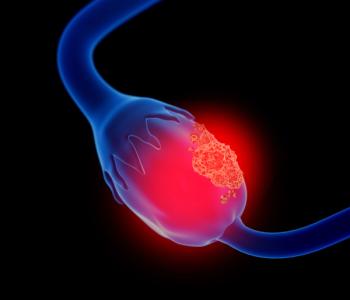
Experience in more than a quarter million women shows no significant association between use of powder in the genital area and ovarian cancer.

Besides routinely offering postpartum LARC to their patients, ob/gyns must advocate for policies that support these devices.

Two ob/gyns provide arguments for and against offering the procedure. This article, from Dr. Naumann, covers the pro side of the argument.