

Three more chances to test your diagnostic skills.
Three more chances to test your diagnostic skills.

These are Contemporary OB/GYN's selections for five of the most noteworthy gynecologic-focused studies that were published in September 2019.

A new study indicates that binge drinking is becoming more prevalent among middle-aged women and clinicians need to do a better job of screening their patients for the condition.

A recent study describes the development of a web-based calculator that predicts the likelihood of experiencing multiple and competing morbidity outcomes over 5, 10, and 15 years.

In a first-of-its-kind study, Canadian researchers explored how antidepressants and duration of use affects gestational diabetes mellitus risk.

A recently published study investigated whether maternal red blood cell (RBC) lead exposure is associated with intergenerational overweight and or obesity (OWO).

A recent study of women complaining of low or absent sexual desire found their low desire may be linked to hypothalamic-pituitary-adrenal (HPA) axis dysregulation.

The statement was prompted because of the uncertain benefits and risks of treating women with testosterone.

From research on whether high-risk pregnancies are receiving the proper level of care to a 40-year study on hypertension in pregnancy, these are five of the most noteworthy obstetric-focused studies published in September 2019.

When trying to determine which antidepressants should be initiated for perinatal depression, several factors should be considered.
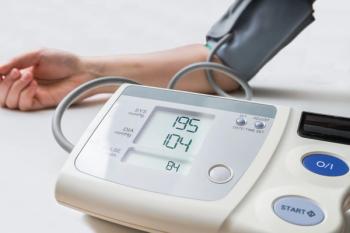
A recent study aimed to investigate the association between preeclampsia, hypertensive disorders of pregnancy, and subsequent diagnosis of 12 different cardiovascular disorders.

Researchers have undertaken a systematic review of how sexual minority women (SMW) experience health care in the UK and the results suggest a need for explicit and consistent education for health care professionals there.

A cohort study of more than a half million individuals suggests that maternal anemia in early pregnancy may have a negative impact on a fetus’s neurodevelopment.

Can you make the correct diagnosis and identify the best treatment plan for these common vulvar conditions?

A new randomized clinical trial aimed to determine whether combining behavioral and pelvic floor muscle therapy with a sling would be more effective than the surgery alone.

To combat the rise of opioid use disorder (OUD), the Centers for Disease Control and Prevention has partnered with the Association of State and Territorial Health Officials to launch the Opioid Use Disorder, Maternal Outcomes, and Neonatal Abstinence Initiative Learning Community.

The following eight topics should be discussed with patients in order to provide the best postpartum care.

Experts provide an update on current and emerging drugs and procedures as an alternative to myomectomy for uterine leiomyomas.

What is your diagnosis when vulvar examination shows loss of the labia minora?

A link seems to exist between psychological/cognitive factors and the pain experience of women with a diagnosis of endometriosis, according to a recent study.

New research investigated the connection between nutrient intake and gastrointestinal disorders in women with endometriosis.

Ob/gyns sometimes need to go beyond guidelines when making judgment calls, as is the case with whether to induce at 37 weeks for gestational hypertension.
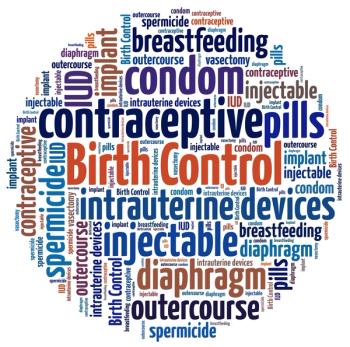
Giving adolescents same-day access to long-acting reversible contraceptives (LARC) in a Medicaid setting may save insurers money, according to results of a new economic evaluation.

A recent study looked to determine the 10-year cumulative incidence of breast cancer versus death from causes other than breast cancer according to comorbidity and age.
New research tracking the rate of chronic hypertension among pregnant women over 40 years has uncovered startling trends regarding its prevalence.

This summary of SMFM Consult Series #48 provides answers to 15 frequently asked questions about postpartum contraception.

Substance use need not be an absolute barrier to breastfeeding, but drug- and patient-specific guidance with counseling free of bias are the keys.

A study by European researchers suggests that there may be a link between birth by cesarean delivery and autism spectrum disorder (ASD) and attention-deficit hyperactivity disorder (ADHD).

These three cases illustrate common diseases that patients with vulvar conditions may present with. Can you make the correct diagnosis and identify the best treatment plan?

A recent study evaluated the impact of menopause on multiple sclerosis (MS), including disease activity and disability progression.