
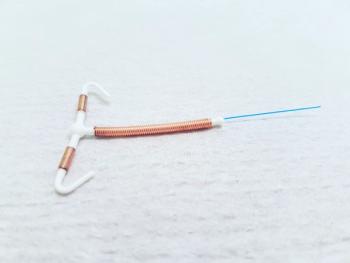
An Egyptian study found that adding a simple step to the IUD insertion process resulted in a 93% success rate for women whose previous insertion attempt failed.
An Egyptian study found that adding a simple step to the IUD insertion process resulted in a 93% success rate for women whose previous insertion attempt failed.
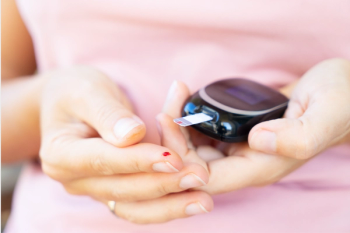
Ob/gyns play a major role in diabetes management and should know how to properly diagnose the condition.

Three cases illustrate the unique challenges ob/gyns face while caring for SCD patients at various life stages.

Although the syndrome is named after the "father of hereditary cancer," it hasn't always been referred to as such.

Charles Ascher-Walsh, MD explains why you might want to consider CO2 lasers to help treat patients with stress incontinence.

Here's how to streamline operations and save time that can be put back into treating patients.
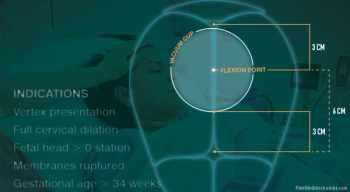
Rising cesarean delivery rates along with inadequate training has largely sidelined vacuum deliveries, even though the procedure has its benefits.

This review discusses the etiologies, evaluations and management strategies for what can often be a frustrating condition for patients.
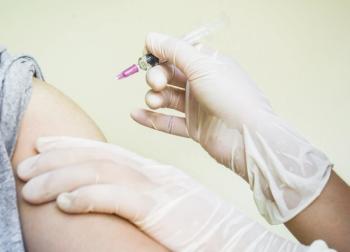
Using data from more than 60 million individuals, a recent meta-analysis investigated rates of human papillomavirus (HPV)-related diagnoses since the implementation of vaccination programs.

Following a major revision to improve nutritional content, a recent study investigated whether the implementation actually improved perinatal and birth outcomes for recipients.

The CDC has released a new analysis that may be a benchmark for women’s behavior regarding pelvic exams before ACOG made a sea change in guidance on when to perform the tests.

In the second part of this series, potential solutions to fix the rising drug cost problem are examined.

Many pregnant patients have turned to the drug for relief of hyperemesis, but little is known about associated adverse maternal, perinatal, and neonatal outcomes.

German researchers investigated whether VAT moderates the association between age and brain network structure and looked at whether estradiol moderates the association between VAT and brain network structure.

Bremelanotide is an injectable indicated for premenopausal women with hypoactive sexual desire disorder (HSDD).

Ranging from biomarkers that can define PTB risk to the impact of age and fertility, these are five of the most noteworthy studies published in June 2019.
Dr. Kimberly Yonkers discusses conditions that increase a patient's risk for suicide as well as what steps clinicians can take to improve care for at-risk patients.

A recent study examined maternal drug-related deaths and suicide in California and reveals opportunities for identifying at-risk new mothers.

A new study by Chinese investigators suggests that deficiency in vitamin D and estradiol may play a synergistic role in metabolic syndrome.

Dr. Haywood Brown discusses redefining what constitutes postpartum care during the fourth trimester.
Ilana Cass, MD, discusses why ob/gyns should talk with their patients about salpingectomy, as well as where to focus future research.

Proper positioning, careful choice of probe, and leveraging of post-processing capabilities all can improve ultrasound quality in this patient population.

What is your diagnosis when you see vulvar fissures?

Results from a prospective study indicate that cfDNA testing for trisomy 21 may be just as effective in twin pregnancies as singletons.

The economic impact of drug costs and how we got here are examined in the first of a two-part series.

Ilana Cass, MD, discusses whether salpingectomy should be part of every routine tubal sterilization.

New research indicates an alarming number of men and women are uninformed about the health risks of pregnancy, and this ignorance may be contributing to the malpractice crisis.
The LNG-IUS and IUD are both highly effective, but one is associated with changes in uterine artery blood flow.

Are you familiar with the advantages and disadvantages of IPPI?

Although the development of a PPD medication is commendable, Dr. Yonkers also notes there are several hurdles which need to be addressed.