
Pink or blue? New research shows that low gestational weight gain early in the pregnancy is correlated with having a baby of a certain sex.
Pink or blue? New research shows that low gestational weight gain early in the pregnancy is correlated with having a baby of a certain sex.
Two new studies have found that metabolic syndrome and weight loss surgery can independently affect urinary symptoms.
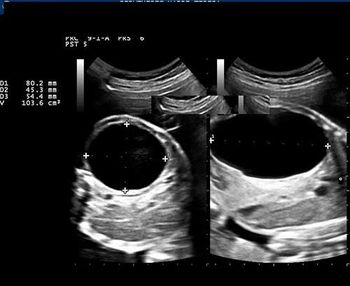
This image quiz focuses on the kidneys. Can you identify the abnormality seen in these ultrasound images of the fetal abdomen?

Evidence is mounting that digital tomosynthesis has better cancer detection rates than digital mammography, especially for women with dense breasts.

For those who focus so much on getting through the pregnancy that they forget to prepare for when baby comes home.

The FDA has granted a first-ever waiver for a rapid screening test for syphilis, allowing the test to be used in a greater variety of health care settings.
Removal of the ovaries and fallopian tubes at the time of a hysterectomy doesn't increase the risk of pelvic organ prolapse, new research finds.

Addressing the emotional component of a patient's diagnosis isn't often feasible, but these tools can help patients with this important aspect of healing.

On December 10, 2014, the US Food and Drug Administration (FDA) approved Gardasil 9 (Human Papillomavirus [HPV] 9-valent Vaccine, Recombinant) for the prevention of certain diseases caused by 9 types of HPV.
Taking tamoxifen for 5 years to prevent breast cancer results in a prophylactic effect that extends over the next 20 years, according to a new report published in in The Lancet Oncology.

As obstetric units close and consolidate around the country, ways to improve interhospital communication and to assess patient outcomes are needed.
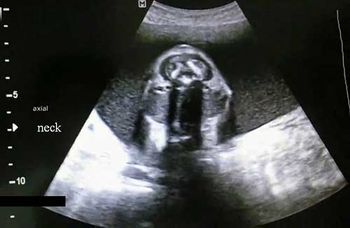
Challenge your diagnostic skills: Can you identify the condition causing the abnormality seen in these images of the fetal neck?

A new (theoretical) model using multiple data points, including genetic testing for BRCA genes, could identify women at greatest risk for breast cancer.

A simple device may make blood draws and IV placement easier for fearful patients, or for patients with difficult-to-feel veins.

Be a broken record about the importance of folic acid supplementation. New research finds it is associated with fetal growth benefits.
For screening dense breasts, 3D digital mammography outperforms standard 2D mammography, according to results of a prospective trial of more than 25,000 women.
Unlike with in vitro fertilization, it appears that uterine contractions may increase the chance of a successful intrauterine insemination (IUI), according to a new study.
The US Food and Drug Administration (FDA) recently issued a final rule altering how the labels for physicians on prescription drugs and biological products provide information for pregnant and breastfeeding women.
A California woman with a history of 2 premature deliveries and a single miscarriage became pregnant in 2004. A few days after the pregnancy was confirmed, she was seen by a physician at a military base in connection with an application to accompany her husband overseas. The application was approved and the patient went to Spain, where she delivered at 31 weeks’ gestation in 2005.

In this Q&A, Jeff Livingston, MD, discusses how he's integrated a virtual practice into his busy life as an office-based OB/GYN.
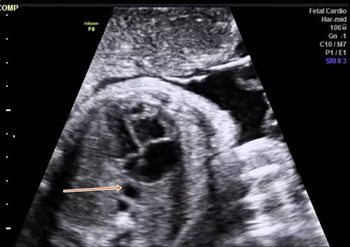
Challenge your anatomy skills: Can you identify the structure of interest in these images of the fetal thorax?

For women with congenital heart disease, the risk of pregnancy and delivery complications isn't as high as expected, new research shows.

Two studies revealed that treatments for symptoms of menopause differed based on when physicians trained and perception of patient understanding.
A reader comments on the updated performance data for the verifi prenatal test.
Editor-in-Chief Charles J Lockwood, MD, MHCM discusses the recent report from the March of Dimes on the rates of premature deliveries across the United States.
Many women complain of changes in their cognitive function during the menopausal transition. Here's how to tell what's normal and what's not--and how to treat appropriately.
A commentary on Practice Bulletin Number 146 by the Editor-in-Chief of Contemporary OB/GYN.
Questions and answers from SMFM about the implications of uterine fibroids during pregnancy
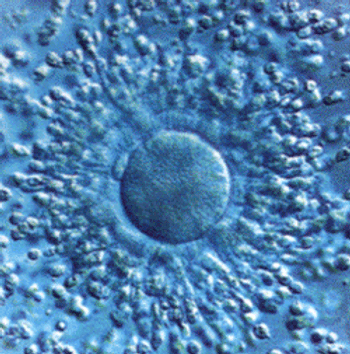
A GnRH agonist for an oocyte maturation trigger may be most useful in cases where pregnancy isn't the immediate goal, a new meta-analysis finds.

In this blog, Paul Burcher, MD, PhD, considers the professional obligations of obstetricians in a hospital setting to women who opt for a home birth.