
First-trimester exposure to maternal estradiol may increase risk of thyroid dysfunction in offspring conceived via in vitro fertilization (IVF), according to a study in Fertility & Sterility.
First-trimester exposure to maternal estradiol may increase risk of thyroid dysfunction in offspring conceived via in vitro fertilization (IVF), according to a study in Fertility & Sterility.
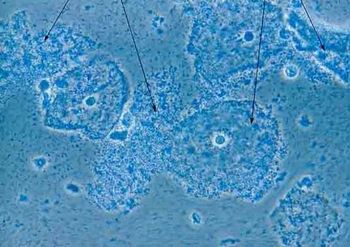
High doses of vitamin D, which is an immune booster, aren't protective against bacterial vaginosis in women at high risk for STDs.

In this blog, one OB/GYN discusses her move from a hospital staff physician to a solo private practice, a decision that hasn't come without costs.

PTSD and preterm birth are associated, so knowing your patients' mental health history, particularly when symptoms were last present, is important.
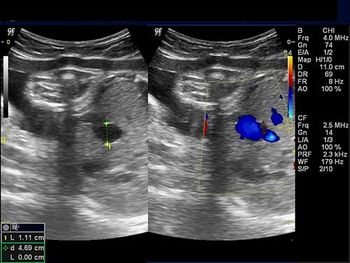
Challenge your diagnostic skills: Is everything fine with this third trimester pregnancy?
Dr. Afshar recounts an experience with assisting a patient with a medical emergency while on a transatlantic flight.
A patient handout prepared by the Society for Maternal-Fetal Medicine to aid in understanding of periviable rupture of membranes.

A common epilepsy medication is not safe during pregnancy and could lead to developmental problems in children.
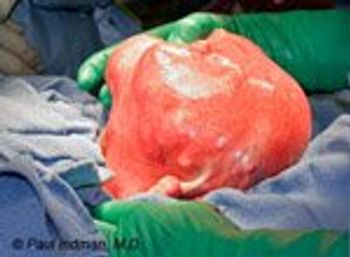
Two studies show that the emotional impact of uterine fibroids is significant but support is lacking, especially in African American women.

More and more OB/GYN practices are supplementing their medical services with aesthetic services. New data show they are safe, but there's a caveat.
In utero exposure to maternal gestational diabetes mellitus (GDM) or hyperglycemia may increase risk of childhood adiposity in girls, according to a new study.
Studies of the impact of diet on risk of ovarian cancer are limited and their results unclear but a new report based on data from the Nurses’ Health Study (NHS) suggests a possible association between high intake of flavonoids and black tea and lower risk of the disease.
High doses of vitamin D may not help prevent recurrence of bacterial vaginosis (BV), according to results of a randomized controlled trial.

New research sheds light on a cost-effective way to improve breast cancer detection rates in women with dense breasts.
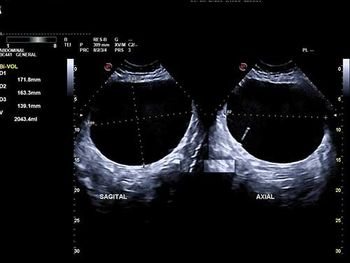
Challenge your diagnostic skills: What's causing this woman's pelvic discomfort?

The outbreak of Ebola in West Africa rightly has become a world health crisis. But there are other casualties of the outbreak that we don't hear much about.
A new report finds that many women are unaware that health insurers are required to cover yearly mammograms. A high rate of “false alarms” contributes to women’s mixed feelings about mammography screening.

A consequence of Measure 1, which may or may not be a "personhood" amendment, is that IVF and other infertility services in North Dakota will end.
From a medical perspective, the care and treatment appeared to be appropriate, and the patient’s cause of death was speculative. However, from a litigation perspective, the perinatologists were fighting an uphill battle.
A new report shows that monitoring and early intervention may help reduce adverse outcomes and malpractice claims.
"Perhaps the last morcellator remaining in the market should be used to morcellate the tort system ..."
cfDNA gives insight into the pathogenesis of serious disease and early information about benign conditions.
Two experts discuss whether a DNA test can replace the Pap.
Pregnancy is risky for women with sickle cell disease. This overview examines concerns for the mother and fetus to help you manage the risks.
A recent population-based study showed a lack of correlation between Joint Commission indicators of elective delivery at 39 weeks’ gestation and cesarean delivery and rates of maternal and neonatal complications in deliveries at New York City hospitals in 2010.
National guidelines for osteoporosis screening may miss postmenopausal women ages 50 to 64 years destined to suffer a fracture, according to a new study.
A study of nearly 1.5 million births in the United States shows that while rates of cesarean delivery vary widely from hospital to hospital, identifying the underlying cause with existing data is difficult. The findings underscore a need for collection by hospitals of comprehensive patient data in order to fully understand and optimize use of cesarean delivery.

The use of an intravaginal incubation device in IVF is found to be a safe and effective alternative to lab incubation of embryos, and it may reduce costs.

More and more OB/GYNs are eliminating obstetric care from their practice. So who will deliver all the babies if not for midwives?

New research has found that certain troublesome lower urinary tract symptoms are significantly associated with other troubling characteristics.