
Women who become pregnant again within a year of birth or more than 5 years later may be at increased risk of having a child with autism spectrum disorder (ASD), according to a recent study.
Women who become pregnant again within a year of birth or more than 5 years later may be at increased risk of having a child with autism spectrum disorder (ASD), according to a recent study.
Results from a study of nearly 100,000 women suggest that increasing skirt size over a lifetime--a proxy for waist circumference-may be an indicator of increased risk of postmenopausal breast cancer.

Menopause will be unique for each woman, and a physician-patient partnership is a must if women want effective menopause management.
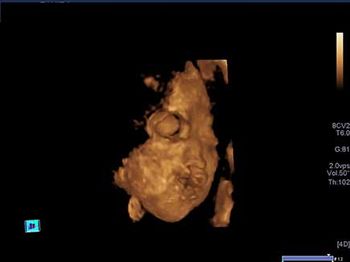
Challenge your diagnostic skills with these images of a third trimester pregnancy. Can you identify the "incidental" findings?
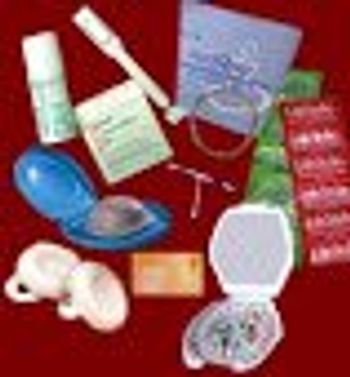
People like free stuff, especially teenagers. And if you give them free birth control, particularly LARC, they tend to use it.


Osteoporosis isn't a disease of older women; it's a disease of all women, incubating in even our youngest patients.

New data highlights the importance of 3 key behaviors of all women of reproductive age for preventing gestational diabetes.
According to a recent study in Fertility and Sterility, assisted reproductive technology (ART) does not increase the risk of autism spectrum disorder (ASD) in children conceived using the technology.
According to a recent study in the Journal of the National Cancer Institute, the evidence continues to mount for an association between breastfeeding and reduced risk of aggressive breast cancers in African-American women.
A computerized decision-support guide may help women make more informed choices about prenatal testing, according to results of a randomized trial published in JAMA. The findings, which require validation in other populations, suggest that, were women better educated about the technology, fewer prenatal tests would be done.

Evidence is mounting that robotic surgeons of any training level show significant improvement after a formal skill assessment process.
Javier F Magrina, MD, demonstates the prevention of ureteral injury while performing an endoscopic hysterectomy.
When a jury sees a big corporation in the defendant’s chair, it can have an effect, although it is never a jury’s job to “punish” a corporation.
The big question is whether the robot improves outcomes in gynecologic surgery.
Certain patients are at increased risk of ureteral injury during endoscopic hysterectomy due to differences in anatomy. The right tools and techniques will protect them from injury and complications.
Do the benefits of transvaginal mesh outweigh its risks or should use of the product be confined to randomized trials until until more robust clinical data are available?
Newer surgical techniques to facilitate the extraction of uterine tumors in a containment system have sufficiently advanced to make the small risk of spreading an unanticipated malignancy even smaller.
An expert commentary on ACOG Practice Bulletin No. 130: Premature Rupture of Membranes.
Readers respond to articles on refractory vulvovaginitis and the bimanual pelvic examination.

Severe influenza in pregnancy is a hyperinflammatory disease and not a state of immunodeficiency as previously thought.
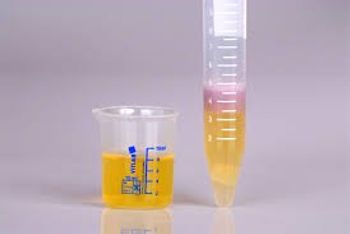
Urine tests effectively screen for HPV, but more data is needed to determine whether they can correctly diagnose cervical disease.

Look no further: The North American Menopause Society has issued recommendations that offer the latest information for managing a woman's health through menopause.
Testing urine may be an acceptable alternative for detecting human papillomavirus (HPV)-including HPV16 and HPV18-in certain patients, according to a systematic review and meta-analysis in The BMJ. However, the findings must be viewed with caution because the method is not yet consistent and reproducible.
The North American Menopause Society (NAMS) has issued guidelines for care of women at midlife, based on the textbook Menopause Practice: A Clinician’s Guide. Published in Menopause, the recommendations cover more than 50 topics, including vasomotor symptoms, osteoporosis, and vulvovaginal health.
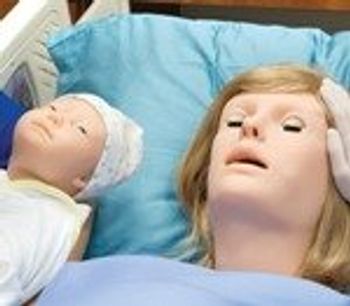
A new lifelike birth simulator with all the bells and whistles needed to mimic various L&D scenarios may have just raised the bar for competency trainers.

New research has identified a select group of patients who may benefit from vaginal progesterone to reduce the risk of preterm birth.
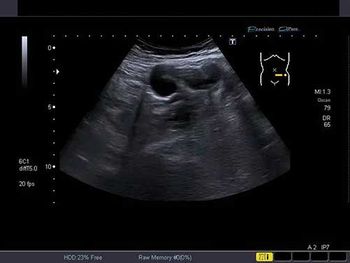
Challenge your diagnostic skills with these images of the left hemipelvis of a young woman.

Contrave, a combination of naltrexone and buproprion, has been approved for long-term weight loss management in overweight and obese adults.

The clinical and scientific realms of endometriosis have significant gaps, highlighted by persistent delays in diagnosis and underestimates of harm.