
An OB/GYN asks if current doctors are sending the wrong message about liability problems in the field of OB/GYN.
An OB/GYN asks if current doctors are sending the wrong message about liability problems in the field of OB/GYN.
In this protocol, Dr. Hankins reviews the pathophysiology, diagnosis, and management of external cephalic version. Included are step-by-step guidelines for performing the procedure with illustrations of the manuevers required for successful cephalic version with 2 operators or 1.
Looking at the legal issues surrounding cerebral palsy, bowel complications, fistulas, hysterectomy, and cesarean delivery for large infants.
Vasomotor symptoms during menopause strongly effect women's quality of life. Those who do not want to use hormone therapy to control these symptoms may have another treatement option in selective serotonin reuptake inhibitors (SSRIs).
Sexual complaints can occur in up to 90% of women with a history of diagnosed cancer and in at least 50% of women with gynecologic and breast cancer. It's important to inform patients early in the course of their treatment that issues of sexuality may be relevant and that discussions on the topic are appropriate.
A study designed to guide clinicians in tailoring breast cancer therapy to their patients's individual genomes and those of their tumors has been announced by the Mayo Clinic in Rochester, Minnesota.
Oocyte cryopreservation may be one of the most innovative methods for safeguarding against age-relate degenerative changes and extending fertility opportunities.
This month's column will shed light on fetal monitoring theory that is unknown to most practicing clinicians, but recently has become popular in the legal arena.
In this protocol, Dr. Hankins reviews the pathophysiology, diagnosis, and management of external cephalic version. Included are step-by-step guidelines for performing the procedure with illustrations of the maneuvers required for successful cephalic version with 2 operators or 1. As the author notes, careful assessment of fetal presentation in the third trimester is important. Otherwise, patients may be deprived of the option of external cephalic version to decrease the risk of cesarean delivery. Before the procedure, fetal well-being and the presence of any contraindications should be ascertained. Informed consent and counseling with regard to the likelihood of success of the procedure should be performed. Post-version assessment for fetal presentation on subsequent encounters is vital in these patients.
In this protocol, Dr. Hankins reviews the pathophysiology, diagnosis, and management of external cephalic version. Included are step-by-step guidelines for performing the procedure with illustrations of the maneuvers required for successful cephalic version with 2 operators or 1. As the author notes, careful assessment of fetal presentation in the third trimester is important. Otherwise, patients may be deprived of the option of external cephalic version to decrease the risk of cesarean delivery. Before the procedure, fetal well-being and the presence of any contraindications should be ascertained. Informed consent and counseling with regard to the likelihood of success of the procedure should be performed. Post-version assessment for fetal presentation on subsequent encounters is vital in these patients.
Traditionally, transvaginal cerclage placed during the first or early second trimester has been a common treatment for cervical incompetence. Unfortunately, in about 13% of women with cervical incompetence, the transvagincal approach to cerclage will not work.
Letters discuss the many issues surrounding compounding pharmacy and 17P with a response from the Joe Cabaliero and cancer biomarkers
Simulation training can prepare an obstetrical team for emergencies and provide a way to effectively review performance.
Emerging information on the link between ovarian cancer and endometriosis gives us an unprecedented opportunity to develop comprehensive screening plans for early detection and prevention of specific types of ovarian cancer.
The debate over Makena vs. 17p in the prevention of preterm birth continues. What do you prescribe?
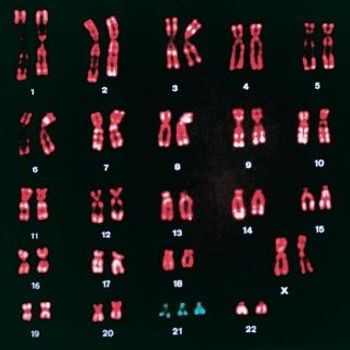
Commercial fetal DNA tests, or noninvasive prenatal diagnosis (NIPD) tests, are here. Are we ready for the legal and ethical implications?
Nonpharmacologic treatment for urinary incontinence can result in significant benefit, making up to 100% difference in continence rates, with no adverse effects, according to a review by the Agency for Healthcare Research and Quality.
Researchers report that breast cancer is actually 10 different diseases, suggesting tumor-specific diagnosis and treatment may be in the future.
FDA has issued a warning to healthcare professionals that exposure to a contaminated generic ultrasound gel may result in bacterial infection.
Methods used during closing after a cesarean section affect intra-abdominal adhesions, according to a new study published in American Journal of Obstetrics & Gynecology.
Like many of my patients, my life revolves around information. Personally, I use the same technology as most of you to keep track of obligations and loved ones. Professionally, the Houston Fertility Center team uses technology and constant communication to manage our patients' treatment plans. In this era of digital info, we can all feel more empowered, more often, more quickly. It seems like there's always room for more information, doesn't it?
Are you performing a episiotomy on your patients during spontaneous vaginal deliveries?
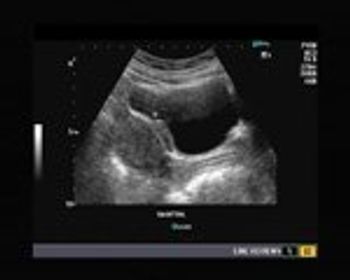
Our patient is a 30 year old female with a history of mild pain during micturition.
Laparoscopy has been shown to be a safe and effective option for many diverse pelvic organ diseases, but how does the procedure fare during pregnancy? Due to the absence of large, comparative studies in pregnancy, there has been no definitive answer to this question. Now, researchers from Korea have found that laparoscopic surgeries can be safely used in women who are pregnant. Their results have been published in The Australian and New Zealand Journal of Obstetrics and Gynaecology.
Human papillomavirus vaccines provide still some benefit to women who have undergone treatment for HPV-related diseases, according to a new study published in the British Medical Journal.
In patients who need to lower their risk of cardiometabolic disorders, not consuming diet beverages can sometimes lower that risk a bit more.
Using ultrasound or MRI to augment mammography in women with elevated cancer risk and dense breast tissue benefits some patients-but not all.
In addition to the high personal costs to women who have vulvodynia, the disorder imposes a financial burden on the US economy.
Urinary incontinence plagues as many as 17% of women in the United States. Some medications claim to ease the disease burden, but how well do these medications work?
New screening guidelines for the prevention and early detection of cervical cancer are now largely based on the patient’s age, and testing for HPV DNA has now been incorporated into the screening process.