

Women with congenital long-QT syndrome (LQTS) have an increased risk of cardiac events, including sudden cardiac death, after the onset of adolescence, perhaps due to the effects of estrogen and progesterone on cardiac potassium channels.
Women with congenital long-QT syndrome (LQTS) have an increased risk of cardiac events, including sudden cardiac death, after the onset of adolescence, perhaps due to the effects of estrogen and progesterone on cardiac potassium channels.

The data suggest that both SCD providers and AYA need better evidence and educational resources for contraception, as well as coordinated SRH counseling, according to researchers.

We spoke with Editorial Board member Ilana Cass, MD, about her opinion of her state's latest abortion restrictions.

“Topical drug delivery also provides higher concentrations of the drug to the target site and has fewer side effects,” wrote the authors.

The addition of trastuzumab to chemotherapy for the treatment of early-stage, HER2-positive breast cancer helps to reduce disease recurrence and can potentially reduce the mortality from breast cancer by a third worldwide.
The president wants legislators to allow Medicare to negotiate drug prices.

Here's what to look for this week on Contemporary OB/GYN®.
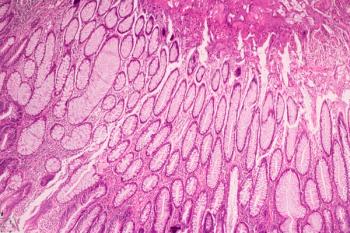
The Major Histocompatibility Complex Class II protein has potential to predict immunotherapy benefit in two types of breast cancer.

The FDA has accepted a new supplemental biologics license application for pembrolizumab, an anti-PD-1 therapy, as a single agent for the treatment of patients with advanced endometrial carcinoma that is microsatellite instability-high or mismatch repair deficient, who have diseased progression following prior systemic therapy in any setting and are not candidates for curative surgery or radiation.

The latest recommendation statement reaffirms the USPSTF's 2014 guidance, which included a B recommendation for screening for gestational diabetes at 24 weeks of gestation or after.

Introducing Editorial Advisory Board member Ilana Cass, MD.

A 12-week trial found implementing a dietary approach using a low-fat, vegan diet could help reduce the incidence of moderate-to-severe hot flashes in postmenopausal women.

It was a busy week for the Contemporary OB/GYN® team.

August is National Breastfeeding Awareness Month. Join us throughout the month as we share statistics, facts, patient and provider resources, and more.

The findings of a secondary analysis from a randomized trial of intrauterine devices (IUDs) for emergency contraception should bolster confidence about the low pregnancy risk when providers insert an IUD following a recent episode of unprotected intercourse.

Emergency department (ED) visits in women affected by leiomyomas, or uterine fibroids (UFs), are increasing, but hospital admissions for this patient population are decreasing, according to a study published in the journal Obstetrics & Gynecology.

Pregnant women who had cancer previously or currently have cancer were more likely to experience comorbidities and in-hospital complications, depending on cancer type.

While pregnancy rates fell at the beginning of the pandemic, researchers expect a birth volume increase based on prospective modeling.

The results, according to the study authors, demonstrate that screening the general population for tubal and ovarian cancer each year does not result in a survival benefit.

The first months of life set the course of a child’s health. How effective is an intervention at improving weight outcomes in the infant and use of postpartum care by the mother?

August is National Breastfeeding Awareness Month. Join us throughout the month as we share statistics, facts, patient and provider resources, and more.

This acquired chronic dermatosis has a 6- to 10-fold predilection for women, so it is especially relevant to a gynecologist’s practice.

NIH recently convened an expert panel to develop standardized criteria to define placental COVID-19 infection.
What to look for this week on Contemporary OB/GYN®
It was a very busy week for the Contemporary OB/GYN® team.

Practice management is an essential part of any practice. Our new column will explore essential topics including billing, coding, contract negotiation, telehealth management, financial wellness, and more.
The American College of Obstetricians and Gynecologists (ACOG) recently published an updated committee opinion regarding morcellation of presumed uterine leiomyoma. Here are the key points.

The American College of Obstetrics and Gynecology (ACOG) announced today that it has joined nearly 100 health care organizations and societies in favor of vaccine mandates for all health care workers.

In last month’s Legally Speaking, we published “Health care fraud exposed” by James M. Shwayder, MD, JD. It is disturbing in its details but exposes fraud and medical malpractice that went on for years. The ob-gyn at the center of it, Javaid Perwaiz, was recently sentenced to 59 years in prison.

Even with these recommendations, women commonly ask questions about alcohol consumption and breastfeeding such as “Should I pump and dump if I have a glass of wine?” and “Do I just wait until it has passed through my system?” This month, experts Susan Crowe, MD, and Tricia Wright, MD, MS, provide the needed insight—with as much data as are available on this topic.