

Opinion|Videos|December 2, 2024
Fezolinetant Guidelines and Emerging Data on Menopause and Liver Health
Panelists discuss why a warning about serious liver injury was added to the prescribing information for fezolinetant following a postmarketing case of drug-induced liver injury, and review updated guidelines for baseline liver testing, recommended monitoring, symptoms indicating the need to discontinue the medication, and key points for addressing patient concerns about liver health.
Advertisement
Episodes in this series
- Why was a warning about serious liver injury added to the prescribing information for fezolinetant? (ie, postmarketing case of drug-induced liver injury)
Note: Clarify that when fezolinetant first came out, it had guidelines for baseline liver testing. But in the past month, this was updated- discuss update and what this means for patients/ physicians.
- What baseline hepatic laboratory tests are recommended before patients start fezolinetant, and how often should they be monitored?
- What symptoms or clinical laboratory values indicate that fezolinetant should be discontinued?
- What are important discussion points to address patient concerns on liver health?
Advertisement
Related to this article

A recap of the top videos and podcasts from Contemporary OB/GYN in September 2026, featuring expert interviews on salpingectomy, testosterone evidence, and more.

A recap of the top headlines from Contemporary OB/GYN in September 2026, spanning ACOG's respiratory vaccine guidance to the launch of the Missed & Dismissed podcast.

A recap of Contemporary OB/GYN's top FDA and regulatory news from September 2026.

Fezolinetant was linked to VMS and sleep improvements by week 4 in the real-world OPTION-VMS study, presented at the International Menopause Society World Congress.

Wen Shen, MD, highlights perimenopause as an important period for identifying health risks and supporting healthy aging beyond the menopausal transition.
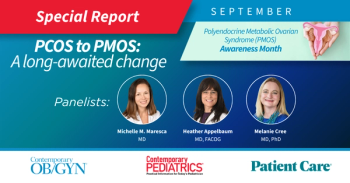
A global consensus published in The Lancet has officially renamed polycystic ovary syndrome to polyendocrine metabolic ovarian syndrome, a change with broad implications for diagnosis, care, and cardiometabolic screening.

The Preeclampsia Foundation released 2 videos on postpartum recovery and long-term health after HDP.

AJOG research shows a cytokine storm could be detectable in maternal blood before the clinical onset of AFE.
Advertisement
Advertisement
Trending on Contemporary OB/GYN
1
IMS: Fezolinetant's improvements in sleep quality, hot flashes as early as week 4
2
Top headlines in women's health from September 2026
3
Wen Shen, MD, on recognizing perimenopause as a window for healthy aging
4
FDA grants priority review to elinzanetant for VMS in women receiving endocrine therapy for breast cancer
5