




With small diet modifications, women can significantly reduce their risk of endometriosis.
With small diet modifications, women can significantly reduce their risk of endometriosis.
Younger women with endometriosis seem to be at a higher risk for breast cancer, but several factors could be contributing to this finding.

Information to help your patient better understand polyps and hysterectomies.
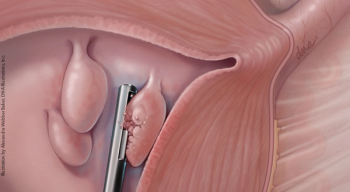
Practical tips on how to spot these common growths on ultrasound and how to remove them.

New research disagrees with current beliefs on how endometriosis impacts ART and miscarriage risk.
A new study helps to characterize the relation between ovarian fixation and SST on TVS and specific endometriosis types and locations.
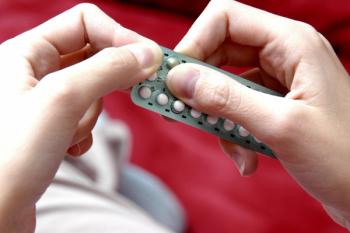
Pelvic pain related to endometriosis can be debilitating, but certain types of hormonal contraception show promise for improving the quality of life for these patients.
Results from a recent study reinforce the developmental origins theory.

This quiz goes over the major takeaways from the November 2018 article by Anthony N. Imudia, MD, and Rachel G. Sprague, MD
A recent study looked at whether women with persistent pelvic pain are able to better tolerate pain based on quantitative sensory testing.
A recent study sought to determine the influence of endometriosis on the risk for three gynecologic cancers.

In a new multicenter study, researchers took a fresh look at whether endometriosis patients were satisfied with the help they were getting from the health care system.
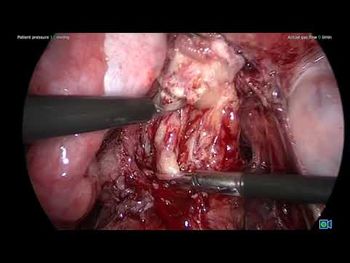
Nisse V. Clark, MD, Renita Kim, MD, MPH, and Jon Einarsson, MD, PhD, MPH show how they treat multifocal bowel endometriosis in a 25-year-old G0 with dysmenorrhea, dyschezia, and cyclic rectal bleeding.
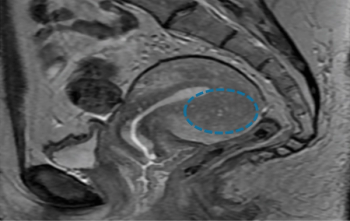
Comorbidities such as endometriosis can confound the picture in patients with adenomyosis, a condition that may lead to poor IVF outcomes.
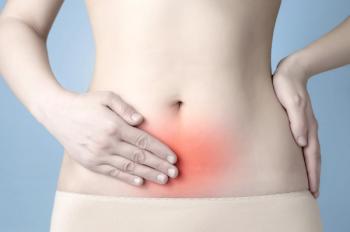
A new international research study describes a genetic basis for overlap between endometriosis and endometrial cancer.
A recent study attempted to identify endometriosis patients who have extrapelvic disease through retrospective chart review utilizing extended criteria.

Secondary analysis of a trial investigating the effects of surgical management of colorectal endometriosis examined whether intervention effectively improved postoperative fertility rates, including the ability to conceive naturally.
A recent study examined which primary symptoms affect health-related quality of life in patients with endometriosis-related pain.
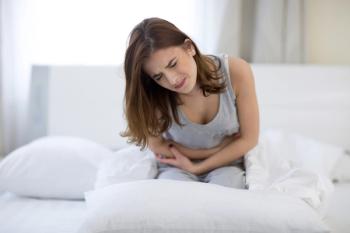
Women may experience their first symptoms of endometriosis in their teen years, but the indications may not be recognized until much later.
A recent study examined whether severe and/or chronic abuse of multiple types during childhood and adolescence increases a woman's risk of endometriosis.
Frequent fatigue affects a full half of women diagnosed with endometriosis. However, physicians are not discussing management and treatment strategies with their patients.

Research point to risk as well as benefits of extended adjuvant tamoxifen for ER-positive BCa. PLUS: Should breast cancer screening be risk-based? ALSO: Side effects of cross-sex hormones in transwomen.
In women with endometriosis, deep dyspareunia is associated with lower sexual quality of life (QoL), according to a study.
For in vitro fertilization (IVF), clinical and ongoing pregnancy rates deteriorated with worsening endometriosis, according to results of a recently published retrospective study.
Narrowband imaging (NBI) at laparoscopy was able to detect additional areas of endometriosis not identified by standard white light, according to results of a study in The Journal of Minimally Invasive Gynecology.