





Obstetrics
Latest News
Advertisement
Latest Videos








Advertisement
More News

Review some of the top stories from the Contemporary OB/GYN website over the last week, and catch up on anything you may have missed.

Women with kidney transplants who conceive through assisted reproductive technology face increased risks of complications such as hypertension, preterm birth, and cesarean delivery, according to new research.

Getting a flu shot while pregnant significantly reduces the risk of severe illness for the mother and cuts the infant’s flu risk by 44% during the first 6 months of life.

Discover the serious health risks of smoking while pregnant, how vaping compares, and the most effective ways clinicians can help women quit.

A pro-inflammatory maternal diet during pregnancy was linked to a 16% higher risk of type 1 diabetes in offspring, Danish cohort study finds.

A major study of over 2 million women reveals that common pregnancy complications significantly increase the risk of stroke decades later.

A new study shows that a first-trimester blood test using cell-free RNA can predict early and late-onset preeclampsia with high accuracy.

A look back at the most important FDA approvals, clinical research, and expert perspectives shaping ob-gyn care in the first half of 2025.

A new study reveals hybrid closed-loop technology significantly improves glucose control for pregnant women with T1D.

Take a quick look at everything you may have missed during Q2 of 2025, including the latest FDA approvals, top stories, and exclusive interviews.

New research shows that analyzing sleep pattern variability from wearable devices can improve early prediction of preterm birth in pregnant women.

Experts warn that removing the COVID-19 vaccine from CDC guidelines endangers maternal and neonatal health and undermines evidence-based medical practice.

A new study finds women with postpartum hemorrhage face significantly higher odds of cardiovascular disease and thromboembolism for up to 15 years after childbirth.

A new study reveals that abnormal postpartum bleeding is more common than previously reported, driving up hospital costs and increasing the risk of serious complications.

A new study finds that exposure to mycoestrogens during pregnancy may reduce birthweight and impair placental efficiency, with climate change expected to increase exposure risks.

Higher third-trimester glucose levels in insulin-dependent pregnancies are tied to increased obesity risk in adult offspring, a 40-year study finds.

In a recent study, prenatal PFAS exposure was linked to higher adolescent blood pressure, with stronger effects in boys and children born to non-Hispanic Black mothers.
Review some of the top stories from the Contemporary OB/GYN website over the last week, and catch up on anything you may have missed.
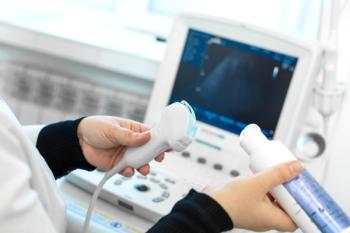
A new study shows extrauterine cerebellar ultrasound is a reliable, low-cost method to assess gestational age after fetal or neonatal death, especially in low-resource settings.

New research reveals that women with eclampsia show significantly higher rates of brain abnormalities, offering insight into unexplained neurologic symptoms during pregnancy.

Daily trimethoprim–sulfamethoxazole in pregnancy reduced preterm births, especially in women with HIV, but did not significantly affect birth weight.

Learn how to identify early symptoms of preeclampsia and improve outcomes with timely screening, diagnosis, and prevention strategies from Eran Bornstein, MD.
Comprehensive first trimester screening can identify over 90% of early preeclampsia cases, allowing timely intervention with low-dose aspirin to significantly reduce risks for both mother and baby.
Review some of the top stories from the Contemporary OB/GYN website over the last week, and catch up on anything you may have missed.

A new study reveals higher rates of severe maternal complications among Black and Hispanic patients with prior cesarean births, highlighting the need for equity-focused care strategies.
Advertisement
Advertisement
Trending on Contemporary OB/GYN
1
Executive order directs NIH to create women's health division
2
Before Pregnancy Begins: Why the Timing of Carrier Screening Matters
3
What to expect at The Menopause Society's 2026 Annual Meeting
4
Fezolinetant counseling: Framing sleep benefit beyond hot flashes
5