






A study found variations in discussions about breast density based on race and ethnicity, leading researchers to urge enhanced cultural competency and shared decision-making to bridge critical gaps in breast density conversations.

A study found variations in discussions about breast density based on race and ethnicity, leading researchers to urge enhanced cultural competency and shared decision-making to bridge critical gaps in breast density conversations.
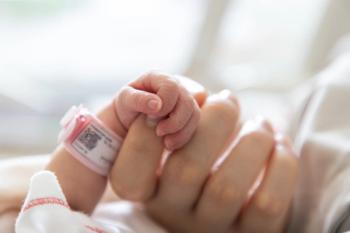
A recent retrospective cohort study found that administering antenatal corticosteroids from 34 to 36 weeks of gestation did not decrease composite neonatal respiratory morbidity in twin pregnancies, challenging conventional practices for this high-risk population.
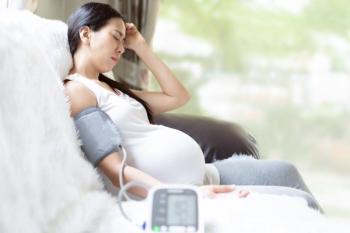
A recent investigation, drawing on extensive Danish registries, uncovers an association between preeclampsia and heightened risks of venous thromboembolism during pregnancy.

A recent comprehensive study reveals that 1 in 5 women in low- and middle-income countries grapple with perinatal anxiety disorders, shedding light on a critical yet often overlooked mental health challenge affecting maternal and infant outcomes in these regions.

A recent study in JAMA Network Open reveals a concerning association between energy drink consumption before pregnancy and heightened risk of gestational hypertension.

Find out more about the potential of RNA biotypes in predicting preeclampsia risk, as a recent study unveils accurate models with 93% to 99% specificity, paving the way for enhanced pregnancy complication prevention and fetal well-being.

Explore the findings of a recent study, revealing that enrollment in the Special Supplemental Nutritional Program for Women, Infants, and Children may influence breastfeeding decisions, shedding light on disparities and suggesting the need for targeted initiatives to enhance breastfeeding rates among low-income mothers.

Kirstin E. Leitner, MD, assistant professor of clinical obstetrics and gynecology at Penn Medicine, discusses how the artificial intelligence program "Penny" can be used to improve care in obstetrics and gynecology.

A recent study unveils an association between residing in socioeconomically disadvantaged neighborhoods and heightened postpartum depression risk, particularly affecting Black individuals.

Discover how President Biden and First Lady Jill Biden's new White House Initiative on Women's Health Research aims to revolutionize women's healthcare, addressing historical research gaps and advancing breakthroughs in critical areas.

Elizabeth Cherot, MD, FACOG, chief executive officer of March of Dimes, discusses the 2023 March of Dimes report card, as well as the implications the findings have on maternal health.

Review some of the top stories from the Contemporary OB/GYN website over the last week, and catch up on anything you may have missed.
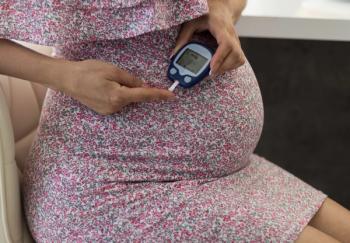
A recent study unveils a pragmatic model, incorporating factors such as insulin requirements, preeclampsia, and maternal age, to effectively predict primary cesarean delivery risk in pregnancies complicated by gestational diabetes mellitus.

Dig into the latest research exposing the hidden dangers of recurrent severe maternal morbidity in subsequent pregnancies.

Discover how Missouri's extended Medicaid and CHIP coverage for new mothers, in alignment with the Biden-Harris Maternal Health Blueprint, addresses rising maternal mortality rates and provides essential support during the postpartum period.

A recent study indicates that early use of intrauterine balloon tamponade does not significantly reduce severe postpartum hemorrhage risk compared to its application after second-line uterotonic treatment failure.

Discover key findings from a recent study suggesting increased risks with ampicillin treatment for intrapartum fever, emphasizing the importance of considering ampicillin and gentamicin for comprehensive management of clinical chorioamnionitis during childbirth.

A recent study revealed that women with endometriosis not only face a mean delay of 7 to 11 years in diagnosis but also suffer from increased menstrual, mental health, and other pain symptoms, impacting their overall well-being and quality of life.

Uncover the nuanced relationship between bleeding, ultrasound findings, and spontaneous abortion risk in individuals undergoing embryo transfer for a singleton intrauterine pregnancy.

Robert H. Hopkins, Jr, MD, discusses the importance of pregnant women receiving vaccines against respiratory diseases to protect themselves and their infants.

Explore the findings from a JAMA Network Open study, uncovering the stability of maternal depressive symptoms from pregnancy through 2 years postdelivery, highlighting a need for updated public health policies and timely interventions.

Discover the impact of air pollution on maternal mental health.

In a recent study, patients who were treated for heavy menstrual bleeding with the levonorgestrel intrauterine system had similar changes in bleeding-related quality of life as those using combined oral contraceptives for treatment.

In a recent study, rates of urinary and anal incontinence were similar among patients receiving instructions for moderate vs intensive pushing for the active phase of second stage labor.

A recent review evaluating early-onset hemolysis, elevated liver enzymes, and low platelets syndrome found signs and symptoms similar to those observed later in gestation.