





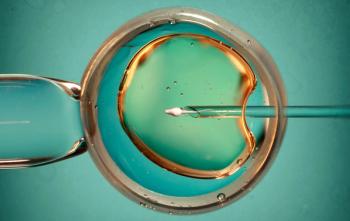
History, potential value, possible candidates, and limitations of PGT for in vitro fertilization.

History, potential value, possible candidates, and limitations of PGT for in vitro fertilization.

In a recent analysis, worse maternal and neonatal outcomes were found when mothers were infected with COVID-19 close to delivery.

An analysis of the HAPO Follow-up Study is shedding light on associations between birth weight categories and risk of diabetes 10-14 years after delivery in mothers.

In the study, investigators analyzed the Jada System in 800 patients from October 2020 to April 2022 across 16 hospitals in the United States. Results of the study were presented at the SMFM 43rd Annual Pregnancy Meeting in San Francisco, California.

A single oral dose of azithromycin in women in labor planning vaginal delivery significantly reduced the risk of maternal death and sepsis, according to study results presented at the SMFM 43rd Annual Pregnancy Meeting.
The clinical psychologist from Ayer Neuroscience Institute at Hartford Healthcare Headache Center shared some highlights from her recently published survey study on migraine treatment during pregnancy.
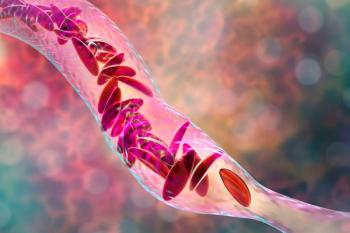
"Despite advances in SCD management and high-risk pregnancy care, at the national level, outcomes in this population have not improved since the last NIS analysis of data from 1999 to 2008," investigators write.

The rare condition can lead to life-threatening anemia in the fetus and currently lacks FDA-approved treatments.
Majority of women’s health care providers reported in a survey feeling either somewhat or very comfortable with recommending or continuing acute treatments for pregnant patients with migraine.

In a recent study, maternal depression during pregnancy was associated with offspring brain age, while recent stress in offspring was associated with a greater aging pace.
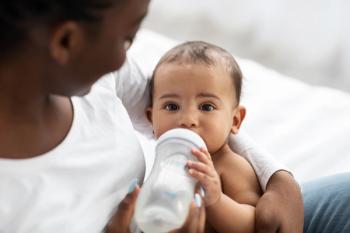
Experts still advocate for breast milk, but pediatricians must be able to offer advice on all options for feeding babies.

An analysis of registry data recorded in Denmark over a 4-decade period offers an overview of the risk of acute myocardial infarction and ischemic stroke incurred as a result of preeclampsia during pregnancy and how this risk changes over time.
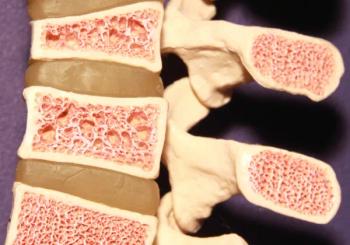
Artificial neural network models have been developed which are able to accurately and efficiently predict neonatal metabolic bone disease.

In a recent study, the infant survival rate among periviable infants varied based on the type of active postnatal care received at certain gestational ages.

In a recent study, the association between poor prenatal diet and adiposity outcomes in children was directly impacted by prenatal psychosocial stress.
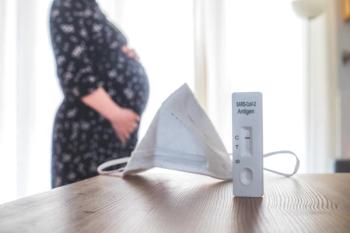
“Vaccination coverage among pregnant women remains a priority,” the study authors noted.

The relationship between cesarean sections and childhood asthma has been investigated before, however, previous results have yielded conflicting evidence.

These findings may be useful for providers to practice shared decision-making with women regarding PPI use in early pregnancy.

Findings from a study in JAMA Network Open reveal valuable insight into the way cannabis legalization has impacted the perceptions of pregnant women who use cannabis in the US.

Alabama’s attorney general retracted comments he made last week suggesting criminal prosecution for women taking abortion pills for pregnancy termination. He is now saying that only providers who prescribe the pills could be prosecuted.
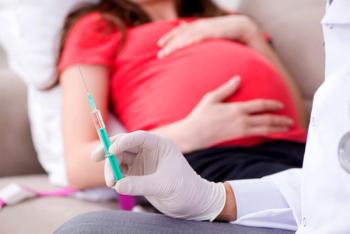
The Food and Drug Administration (FDA) has approved another Tdap vaccine option for use during pregnancy to prevent pertussis, otherwise known as whooping cough.
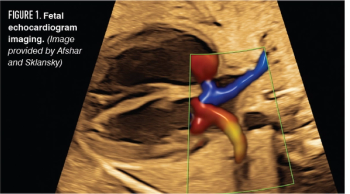
A review of the risks, benefits, and indications for appropriate referral of fetal echocardiography

While access to prenatal care did increase in states after Medicaid expansion, disparities persisted and even increased among Asian and Hispanic immigrant pregnant women, according to an analysis in JAMA Network Open.
After the Antenatal Late Preterm Steroid (ALPS) trial showed a decrease in respiratory complications following steroid administration, steroid exposure among newborns increased.
Testing the ratio between 2 placental proteins may be an early predictor of women at risk of developing preeclampsia with severe features.