

One in 3 FQHCs lack on-site prenatal care, with gaps concentrated in maternity deserts, a national study finds.
One in 3 FQHCs lack on-site prenatal care, with gaps concentrated in maternity deserts, a national study finds.

Jeffrey Jensen, MD, MPH, welcomes the newly approved Gwyn Lo contraceptive patch as an expanded, low-estrogen option for patients seeking a once-weekly method.

A curated look at the most engaging expert interviews from Contemporary OB/GYN in July 2026, highlighting clinician perspectives on endometriosis, perinatal mental health, menopause, and emerging therapeutic insights.

As we close out July, take a look back at key women's health FDA and other regulatory updates from the month.
Joy Baker, MD, FACOG, explains how zuranolone's rapid onset gives clinicians a meaningfully different counseling conversation for PPD.

BV-positive women had higher STI coinfection rates than BV-negative women in a study from Quest Diagnostics and Hologic, Inc.

Michael A. Reed, MD, MSCP, explains how a structured framework for women's sexual health can address fragmentation and legitimize concerns often dismissed in routine care.

Spring Fertility launched the Personalized IVF Calculator built on 2M+ data points from 25,000+ cycles.

FDA approved norelgestromin and ethinyl estradiol (Gwyn Lo; Viatris) as a low-dose once-weekly contraceptive patch.
Michael A. Reed, MD, MSCP, proposes a “Fourth Pillar” framework to integrate women's sexual health alongside reproduction, disease treatment, and longevity in clinical practice.

A cohort study of 15,382 mother-infant dyads found that subfecundity was independently associated with elevated autism spectrum disorder odds and behavioral problem scores in offspring, while IVF treatment showed no significant neurodevelopmental associations.
Corresponding author Cynthia Gyamfi-Bannerman, MD, MS, says late preterm hypoglycemia did not adversely affect neurodevelopment.
Natural Cycles received a sixth FDA clearance for an updated version of its fertility-tracking algorithm.

Get caught up with Contemporary OB/GYN! This list helps you navigate our top stories from the week, all in one place.
Jeffrey Chapa, MD, explains how telehealth and remote monitoring can extend maternal-fetal medicine access.

ACOG warns that CMS’ proposed G-codes for 2027 would create a dual maternity billing system, worsening disparities while increasing confusion.
Roche's cobas BV/CV assay received FDA clearance as a single-swab test for bacterial vaginosis and candida vaginitis.
Damian Alagia, III, MD, attributes gaps in prenatal STI detection and treatment to systemic flaws in access rather than individual clinical judgment.
ACOG's updated guidance calls for opt-out HIV testing and proactive PrEP counseling from ob-gyns.
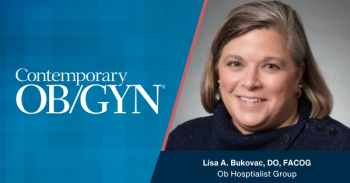
Lisa A. Bukovac, DO, FACOG, explains how placental biomarker testing can identify which patients with suspected preeclampsia require hospitalization and which can be safely monitored.
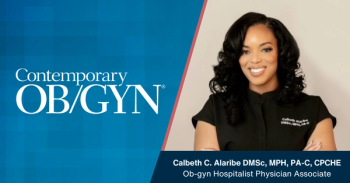
A scoping review presented at ACOG 2026 by Calbeth C. Alaribe, DMSc, MPH, PA-C, found no studies examining the association between preeclampsia, eclampsia, and endometriosis among Black women.

New York’s Safe Motherhood Initiative bundle coincided with drops in SMM, DIC, and hysterectomy after postpartum hemorrhage.
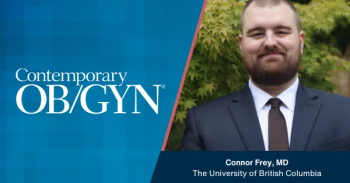
Connor Frey, MD, explains why semaglutide and tirzepatide, but not liraglutide, generated menstrual adverse event signals in a FAERS pharmacovigilance analysis.
Damian Alagia, III, MD, joined Contemporary OB/GYN for a discussion on STIs in women, associated stigma, and structural barriers to testing.

Semaglutide showed broad menstrual adverse event signals in a FAERS analysis of reproductive-aged patients.
Get caught up with Contemporary OB/GYN! This list helps you navigate our top stories from the week, all in one place.
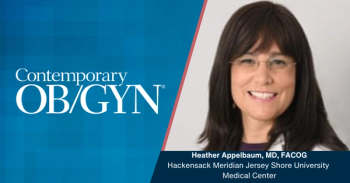
Appelbaum frames surgery as one component of endometriosis intervention, stressing ongoing postsurgical treatment given the chronic nature of the disease.

CDC data show 15.2% of US pregnant women reported current alcohol use in 2021-2024, up from 13.5% in 2018-2020.
ACOG, SWHR, and WFRC are calling on Congress to invest $20B over 10 years to close the women's health gap.
Heather Appelbaum, MD, FACOG, explains how distinguishing clinical from surgical diagnosis of endometriosis can enable earlier intervention, in a discussion of her NASPAG presentation.